Plant Life's Power: 450 Gigatonnes of Carbon Stored by Flora
"Beyond the curated garden bed: Discovering the vital, untamed ecological narratives woven into the threads of native wildflowers."
Wildflowers are not merely accidental beauty scattered across a landscape; they are the architects of our survival. While a manicured rose bush might look impressive in a suburban yard, the true work of sustaining life happens in the uncurated, often overlooked patches of native flora.
Key Takeaways: * Wildflowers represent crucial, resilient ecosystems, offering unparalleled insights into local biodiversity. * Understanding their survival mechanisms reveals critical ecological roles, from biomass contribution to specific host dependencies.
* A focused observation guide allows enthusiasts to transition from casual admirer to informed ecological witness.
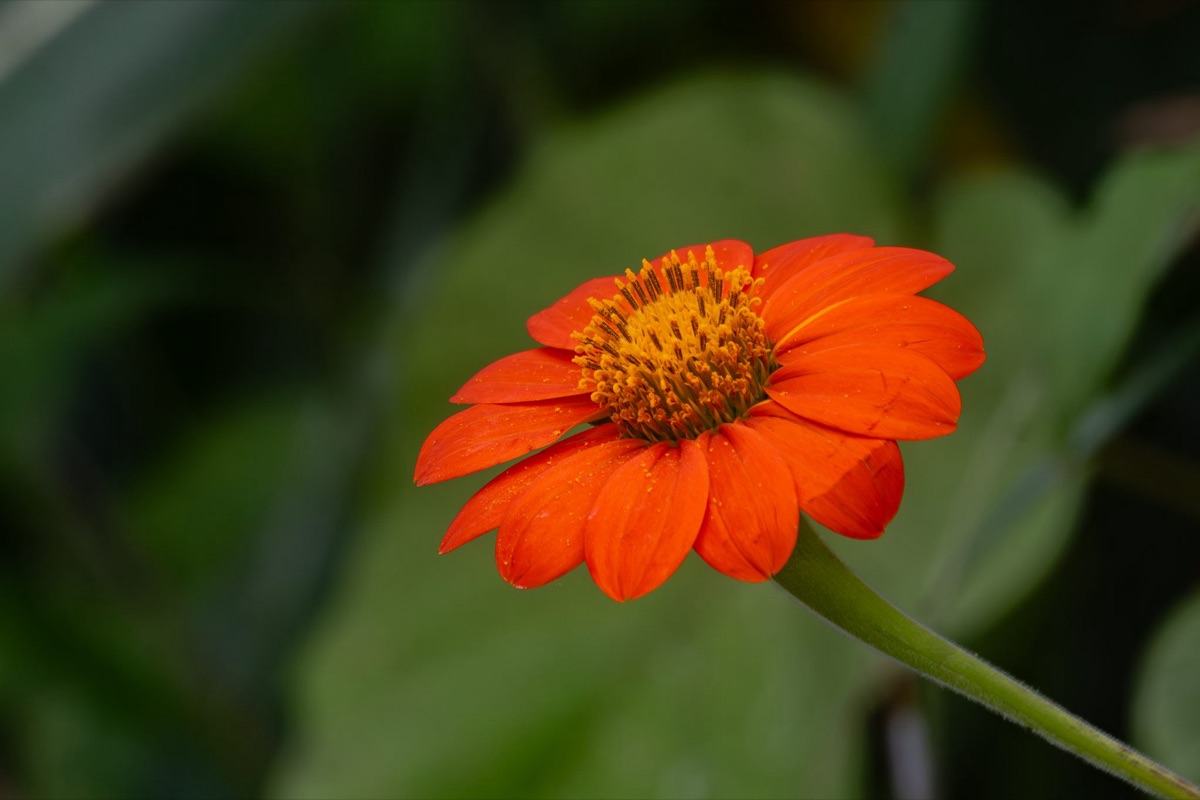
Why Are Wildflowers More than Just "Weeds"?
I remember walking through a neglected field in late August 2025, where the tall, golden stalks of dried grasses brushed against my shins. The air was thick and smelled of drying earth and pollen.
To a casual passerby, it looked like a mess of weeds that needed mowing, but looking closer, I saw a complex, vibrating community of life that no gardener could ever replicate.
The sheer scale of plant life is staggering. Plants form about 80% of the world biomass, accounting for approximately 450 gigatonnes of carbon. This massive biological foundation is what stabilizes our atmosphere and provides the base for almost all terrestrial life.
Within this massive scope, the diversity is overwhelming. Approximately 85–90% of all plant species are flowering plants, meaning the vast majority of the plant kingdom is dedicated to the intricate dance of reproduction, pollination, and seed dispersal.
In a backyard, we often select plants for their size, scent, or color, providing them with controlled water and fertilizer. However, true wildflowers face a different reality. They must contend with unpredictable weather, shifting soil chemistry, and competition for every inch of space.
This pressure creates a level of resilience that cultivated plants often lack, making them the true backbone of a healthy ecosystem. But how do they actually manage to survive when the environment turns hostile?
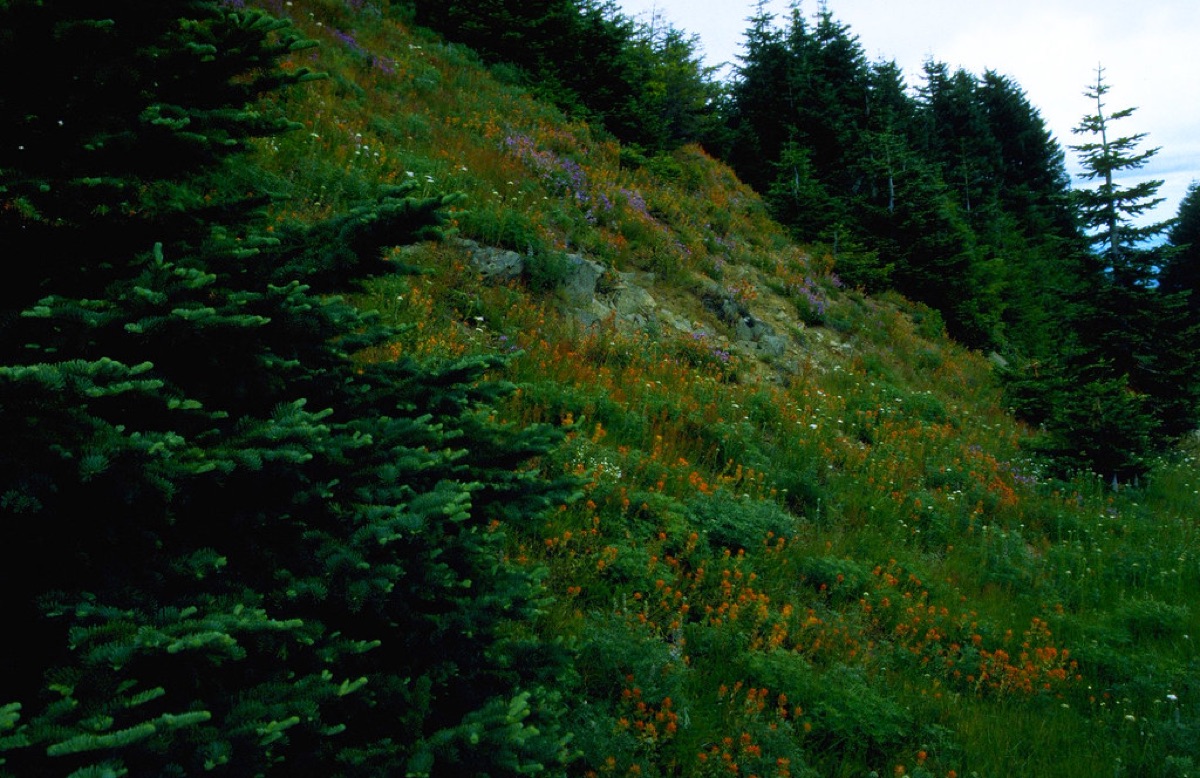
Decoding the Survival Playbook: How Wildflowers Thrive
Early in the morning, a thick fog rolls over a meadow, clinging to the petals of wildflowers that have spent the night battling temperature drops. The ground is damp and the air is silent.
Survival is often a game of narrow margins. Consider the relationship between wildflowers and their pollinators, such as the Monarch butterfly. During their development, both larvae and their milkweed hosts are vulnerable to weather extremes, predators, parasites, and diseases.
Because of these constant pressures, commonly fewer than 10% of monarch eggs and caterpillars survive to adulthood.
This high mortality rate is a natural part of the survival strategy. For a species to persist, it must produce enough offspring to overcome these overwhelming odds.
Wildflowers have evolved specific traits—timing their blooms to coincide with specific insect life cycles or producing seeds that can survive years of dormancy—to ensure that at least a small percentage makes it through.
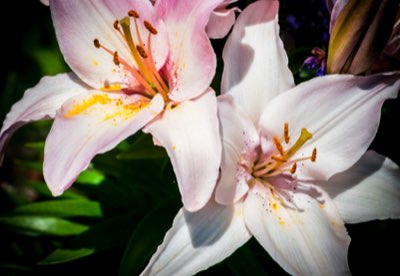
These adaptive successes are what allow a species to conquer a landscape. While a pampered lily might wither without a gardener, a wildflower has spent millennia perfecting its ability to survive a drought, a freeze, or a hungry herbivore.
This leaves us with a question: how can we learn to see these invisible battles?
What exactly should I be looking for? I sat on a weathered wooden bench last spring, notebook in hand, watching a single patch of wildflowers transition from tight buds to full bloom over several weeks. The sun felt warm on my neck as I watched the insects arrive.
To become a skilled observer, you must first learn to distinguish between cultivated varieties and true wild types. Cultivated plants often have exaggerated features, like massive petals or doubled blooms, which might look beautiful but often fail to serve local pollinators.
True wildflowers often have more subtle, specialized shapes designed for specific insects.
Tracking phenology—the timing of biological events—is another vital skill. Just as a musician might track a song's performance over a 55-week chart, an ecologist tracks how a bloom progresses through the seasons.
Note when the first bud appears, when the peak occurs, and how long the plant remains reproductive.
You should also practice detailed morphological observation. Look at the fine details: the texture of a leaf, the shape of a stem, or the specific patterns on a pollinator.
For example, when looking at a Monarch, its wings feature an easily recognizable black, orange, and white pattern, with a wingspan of 8.9–10.2 cm (3.5–4.0 in).
Comparing these physical dimensions and patterns to the plants they inhabit helps you understand the specialized relationship between flora and fauna. But seeing the beauty is only the first step; we must also understand the value it provides.
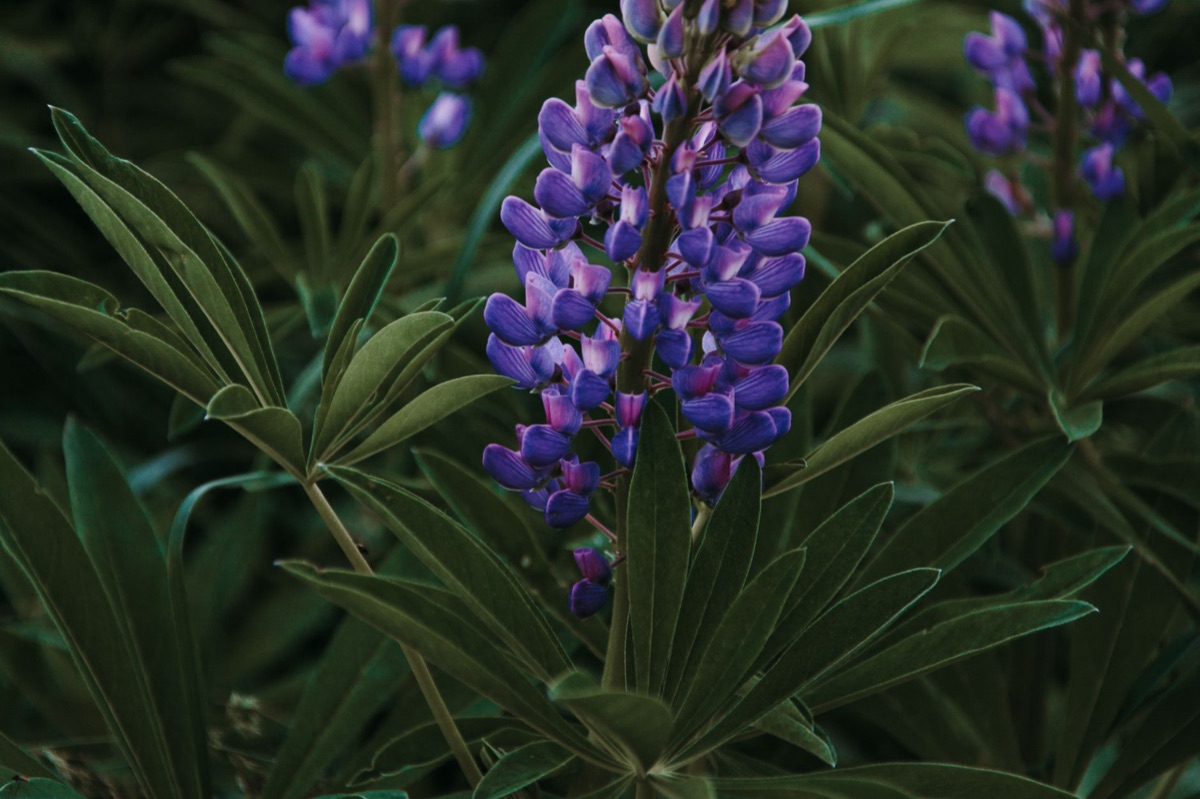
What is the true value beyond just looks? The sun begins to set, casting long shadows across a prairie where the wildflowers are finally closing their petals for the night. The wind picks up, and the temperature drops rapidly.
Wildflowers provide essential ecosystem services that extend far beyond looking pretty in a photograph. They are the primary producers that convert sunlight into energy, supporting a massive food web.
By providing nectar, pollen, and habitat, they sustain the insects, birds, and small mammals that keep an ecosystem functioning.
Furthermore, their role in global carbon sequestration is fundamental. As part of that 450-gigatonne carbon pool, plants act as a massive sponge, pulling carbon from the atmosphere and storing it in their tissues and the soil.
This makes native wildflower preservation a quiet but powerful tool in managing global atmospheric health.
Every region has its one unique "value chain." A desert wildflower might specialize in water retention, while a mountain species might focus on rapid growth during a short summer.
Researching these localized adaptations helps you understand why certain species are indispensable to their specific homes. If they are so vital, how do we interact with them without causing harm?
Preserving the Wild: Responsible Engagement
Walking through a delicate wildflower meadow, I find myself stepping carefully, mindful of the tiny, invisible lives beneath my boots. The soil feels soft and uneven underfoot.
When engaging with wild spaces, the goal is to observe without disturbing. This means staying on designated paths to avoid crushing sensitive root systems or compacting the soil.
It also means resisting the urge to pick wildflowers; while a single bloom might look lovely in a vase, removing it deprives the ecosystem of its reproductive potential.
There is a significant difference between documenting a natural cycle and attempting to "fix" it. If you see a plant that looks struggling or a patch that seems empty, remember that nature often moves at its own pace.
Intervention can often do more harm than good by introducing non-native species or disrupting natural successional processes.
To engage responsibly, follow this checklist:
- Identify the Region: Before planting or interacting, research the specific native species for your local area to avoid introducing invasives.
- Use the "Look, Don't Touch" Rule: Observe the delicate structures and insect interactions from a distance of at least 1 meter to avoid disturbing the micro-environment.
- Monitor Phenology: Keep a log of bloom times and insect arrivals to understand the local timing and how it shifts over the years.
- Minimize Soil Compaction: Always stick to established paths or walk on rocky/hard ground to preserve the delicate root networks and seed banks.
Detailed, respectful observation is a form of data collection. By documenting when species bloom and how they interact with their environment, you contribute to a larger body of ecological knowledge.
This helps scientists and conservationists understand how changing climates might affect these vital survival strategies.
| Feature | Cultivated Garden Plants | Native Wildflowers |
|---|---|---|
| Primary Goal | Aesthetic appeal & human preference | Reproduction & ecosystem stability |
| Resilience | Often requires human intervention (water/fertilizer) | High; adapted to local climate and soil |
| Biodiversity Role | Often limited to specific ornamental roles | High; supports local pollinators and wildlife |
| Survival Strategy | Controlled environment | High-risk, high-reward natural selection |
#





Comments 0