Lavender Care 101: Pruning, Pests, and Peak Bloom Times
"When the purple waves sway in the breeze, the scent becomes a gentle hand to quiet the soul."
Lavender is more than just a pretty face in a garden; it is a powerhouse herb that has soothed human senses for millennia. With its sun-drenched Mediterranean roots, this plant serves as a cornerstone for fragrances, beauty products, and landscape design.
* Key Traits: Intense aroma, purple flower spikes, and drought-tolerant resilience. * Blooming Season: Primarily between May and July (varies by species). * Difficulty Level: Moderate (Success depends on drainage and sunlight).
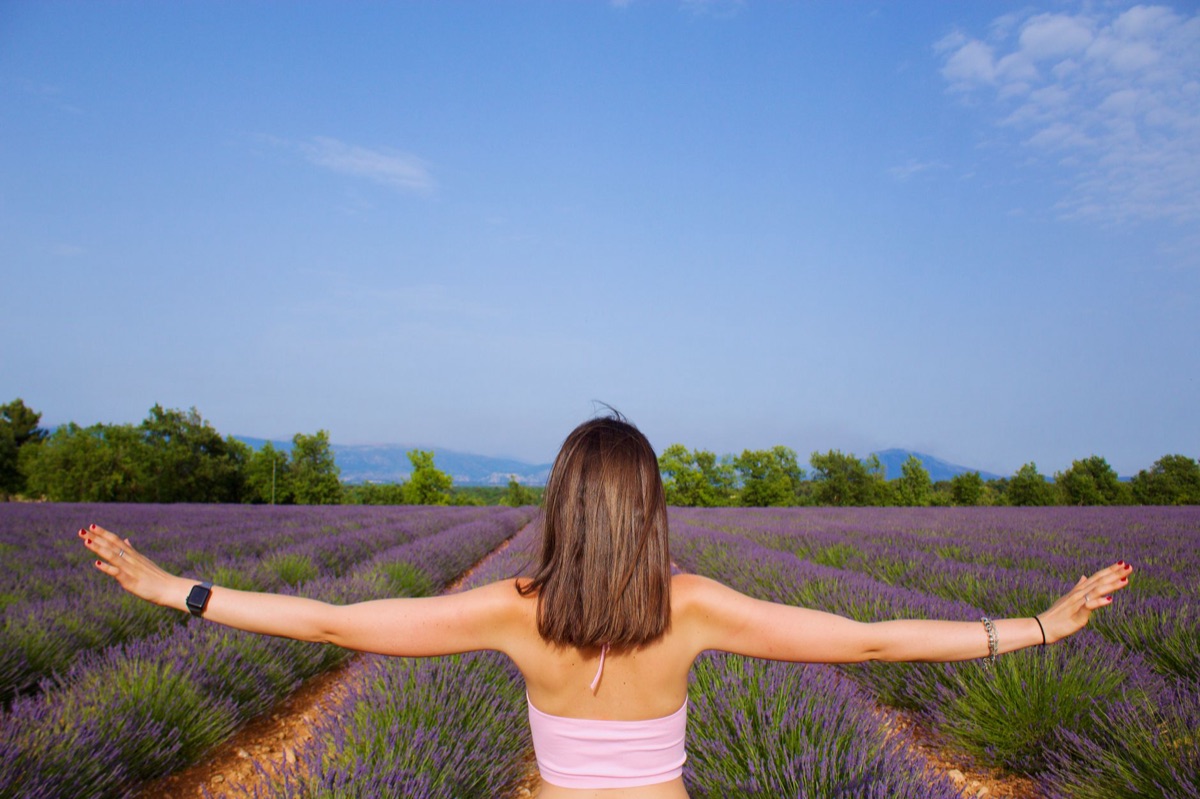
When will the purple scent begin to bloom? The afternoon sun beats down on a dusty garden path in the rolling hills of Provence, and as you walk, a thick, floral aroma catches you mid-step. The endless purple fields look like a fallen cloud resting against the earth.
Lavender is loved globally for that sharp, unmistakable scent. However, growing it isn't as simple as just sticking a pot in the dirt. If you don't provide the right balance of sun and drainage, the plant can wither almost as quickly as it bloomed.
| Category | Details |
|---|---|
| Scientific Name | *Lavandula* |
| Family | Lamiaceae (Mint Family) |
| Native Region | Mediterranean Coast |
| Symbolism | Silence, devotion, and response |
| Blooming Season | May – July |
| Height | Approximately 1 to 3 feet (varies by cultivar) |
| Sun/Water | Full sun/Excellent drainage required; drought-tolerant |
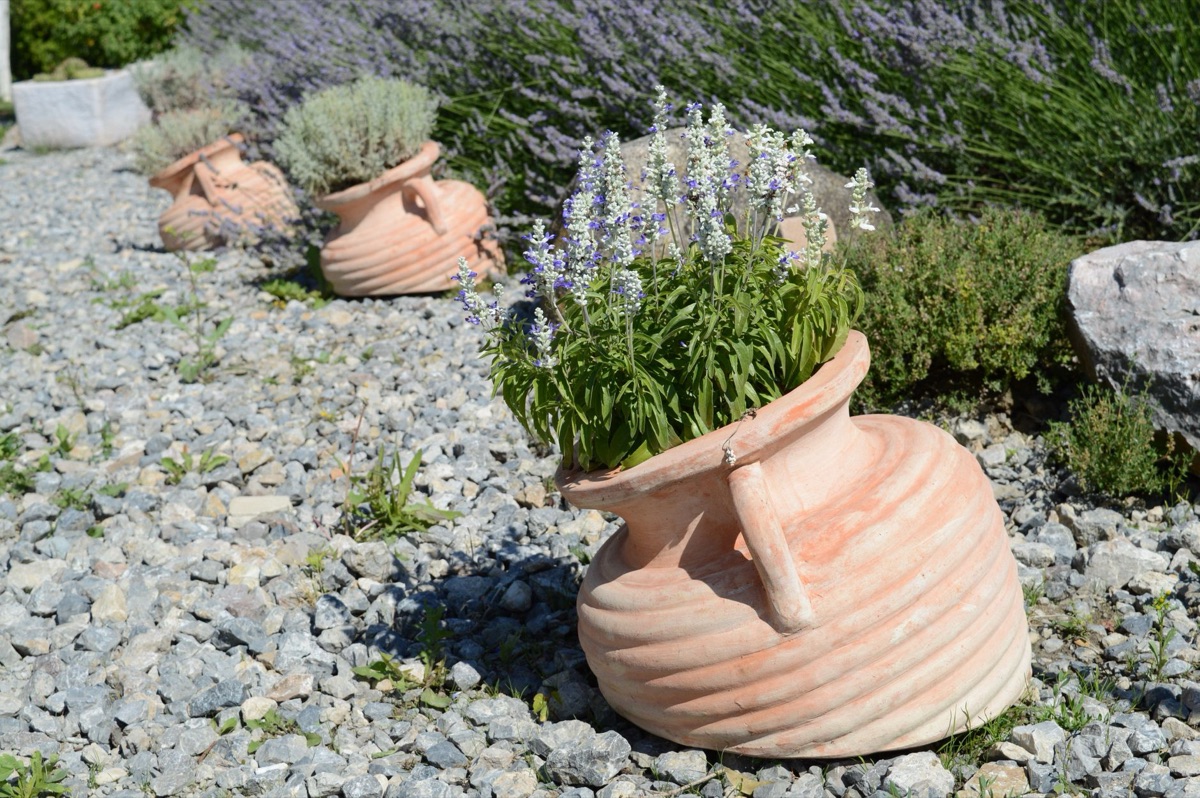
What are the four main types of lavender? You look out at a small terracotta pot sitting on a sunny patio. The texture of the leaves changes as you run your finger over them—some are soft and silvery, while others are coarse and stiff.
Lavender varieties are generally categorized by their scent intensity and visual flair. Choosing the right one for your specific climate or purpose is the first step in successful gardening.
- English Lavender (*Lavandula angustifolia*): This is the most popular variety, known for its delicate, sweet scent. It is much more cold-hardy than other types, making it a great choice for cooler northern climates. 2. French Lavender (*Lavandula stoechas*): Easily recognized by the "rabbit ear" petals that sit atop the flower spikes. It is highly ornamental and perfect for accenting garden beds. 3. Spike Lavender (*Lavandula latifolia*): This variety has a very strong, camphor-like scent and grows taller, making it an excellent choice for creating natural borders or hedges. 4. Specialty Hybrids: These are cross-bred varieties often featuring larger blooms and longer flowering periods, making them popular for floral arrangements and garden displays.
How to grow them healthy: Balancing sun and water
You dig a small hole in the garden soil, brushing dirt away from your fingernails as you consider the environment. You know that lavender essentially eats sunlight to produce its fragrance.
The secret to success lies in two words: drainage and light. Since these plants evolved in the dry, rocky environments of the Mediterranean, they hate "wet feet." If water pools around the roots, they will rot quickly.
* Light: Plants need at least six hours of direct sunlight every day. Without enough light, the stems become spindly and the scent loses its punch. * Water: Only water when the top inch of soil feels completely dry to the touch. Overwatering is the most common way to kill a lavender plant. * Soil: Sandy, well-draining soil is best. Mixing in perlite or coarse grit helps ensure water doesn't sit too long in the pot. * Temperature: Most varieties love warmth, but English lavender can handle a bit of a chill. * Propagation: You can grow them from cuttings or seeds. For English lavender, the germination process takes 14 to 28 days, and the plant typically reaches maturity within 100 to 110 days. * Pruning and Repotting: If the plant outgrows its space, repot every one to two years. Additionally, you should prune the plants after they finish blooming to prevent them from becoming too woody and to keep them bushy.
Fighting pests and diseases: Symptoms and solutions
You notice the tips of the leaves turning brown or the stems suddenly drooping toward the ground. When you touch the foliage, you find it feels sticky or notice tiny movements among the greenery.
While lavender is generally hardy, it isn't invincible. Environmental stress often opens the door to health issues.
- Powdery Mildew: This looks like a dusting of white flour on the leaves. It usually happens when air circulation is poor and humidity is too high. Move the plant to a breezier spot or use a fungicide. 2. Root Rot: The leaves turn black and fall off easily. This is almost always caused by overwatering. Stop watering immediately and transplant the plant into much better-draining soil. 3. Aphids and Spider Mites: These tiny pests can quickly colonize new growth. Using organic options like neem oil can help manage an infestation in its early stages. 4. Woodiness: Over time, the base of the plant can become hard and bark-like. While not a disease, this can shorten the plant's life; regular pruning helps prevent this.
A fragrant history: Lavender in myth and art
You stand in a quiet museum, looking at an old oil painting where purple flowers catch the light. The blossoms in the painting seem to whisper stories of a time long passed.
The name lavender comes from the Latin word *lavare*, meaning "to wash." Ancient Romans used the herb in bathwater to cleanse both the body and the mind.
* Mythological Symbolism: It has long been seen as a symbol of purity and cleansing, often used in ancient rituals. * Artistic Value: Impressionist painters were captivated by the vibrant purple hues, leading to countless masterpieces featuring lavender fields. * Cultural Uses: While it is a staple for perfumes and oils in Europe, it is also widely used in tea cultures and as an ornamental staple in many parts of the world.
Ways to enrich your daily life with lavender
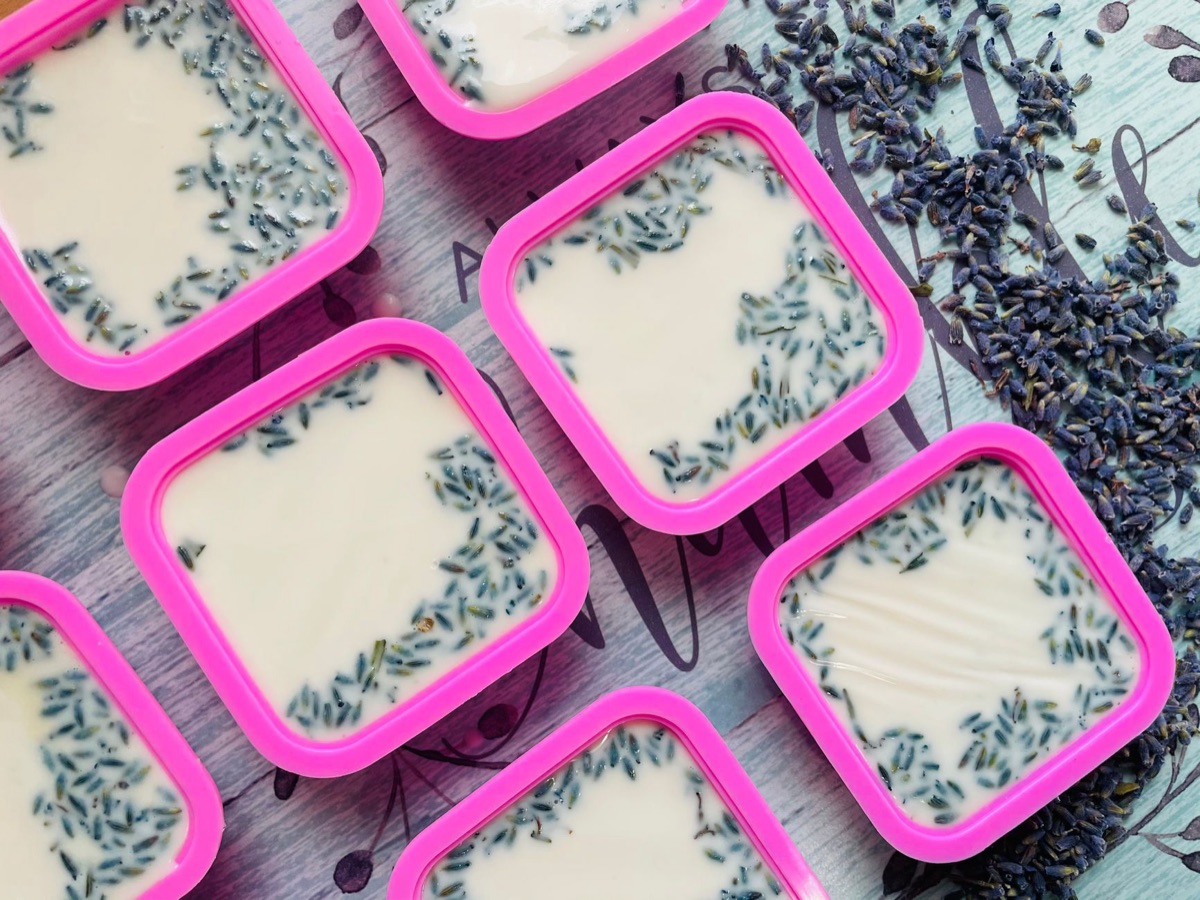
You gather dried lavender blossoms into a small glass jar. As the scent fills the room, a sense of calm washes over you. Lavender offers the dual joy of growing something beautiful and using it to enhance your home.
Lavender is as much a lifestyle tool as it is a garden plant.
- Landscaping: Use them as border plants to define garden paths or mix them with other perennials for a pop of color. 2. Sachets and Drying: Harvest the flowers when they are in full bloom and dry them in a cool, shaded spot. Fill small fabric bags with the dried flowers to use as natural air fresheners in closets or near pillows. 3. Essential Oils: You can extract oils from dried flowers to use in diffusers or to create homemade perfumes. 4. Culinary and Tea: Certain varieties are edible. Steeping dried flowers in hot water makes a soothing, calming tea. 5. Gifting: Potted lavender or beautifully arranged dried bouquets make thoughtful gifts for birthdays or special occasions.

Comments 0