Magnolia's Journey: 1000 Years of Cultural Symbolism
"A single bloom can hold the weight of an entire civilization's history."
The Magnolia is not just a flower; it is a living fossil that has survived through geological epochs and cultural shifts. While it stands as a symbol of nobility and purity in the East, it has evolved into a cornerstone of temperate landscaping in the West.
Key Takeaways * The Magnolia’s journey reflects a cultural translation of meaning, moving from specific Eastern connotations to broader, adaptable Western garden symbolism.
* Its resilience and varied forms allow it to represent concepts ranging from purity to noble endurance across different eras and geographies. * The flower’s integration into Western gardens often involved hybridization and cultivation practices distinct from its native context.
The Eastern Roots: Why was it a symbol of the scholar?
A soft breeze carries the scent of white petals through a quiet courtyard in Suzhou. At 6:00 AM, the shadows of ancient eaves stretch across the stone path, and the air is cool enough to see one's breath.
In this setting, the Magnolia was never just a decorative element; it was a character in a living poem.
In traditional East Asian cultures, particularly in China and Japan, the Magnolia—specifically species like *Magnolia denudata*—has long been a symbol of nobility and steadfastness.
Because the flowers often bloom on bare branches before the leaves emerge, they represent a pure, unadorned beauty that survives the harshness of late winter. This "first bloom" quality gave the flower a sense of integrity and moral uprightness in classical thought.
In historical contexts, the Magnolia was frequently depicted in ink wash paintings and delicate silk scrolls. It was often paired with other symbolic flora to represent the virtues of a scholar or the grace of a noblewoman.
The flower was not merely an object of beauty but a vessel for philosophical values, representing a soul that remains pure and dignified despite the changing seasons.
The cultural resonance of the Magnolia extended into the very architecture of the gardens it inhabited. In traditional courtyard gardens, the placement of a Magnolia tree was often intentional, serving as a focal point for meditation and a reminder of the fleeting yet impactful nature of life.
But as the trees traveled across oceans, the meaning began to shift.
Global Journey: How did it adapt to the West?
A wooden crate sits on the deck of a steamship in the late 19th century, the salt spray of the Atlantic misting the air as the crew prepares for docking. Inside, tucked in damp moss, lies a botanical treasure intended to transform the landscapes of European estates and American parks.
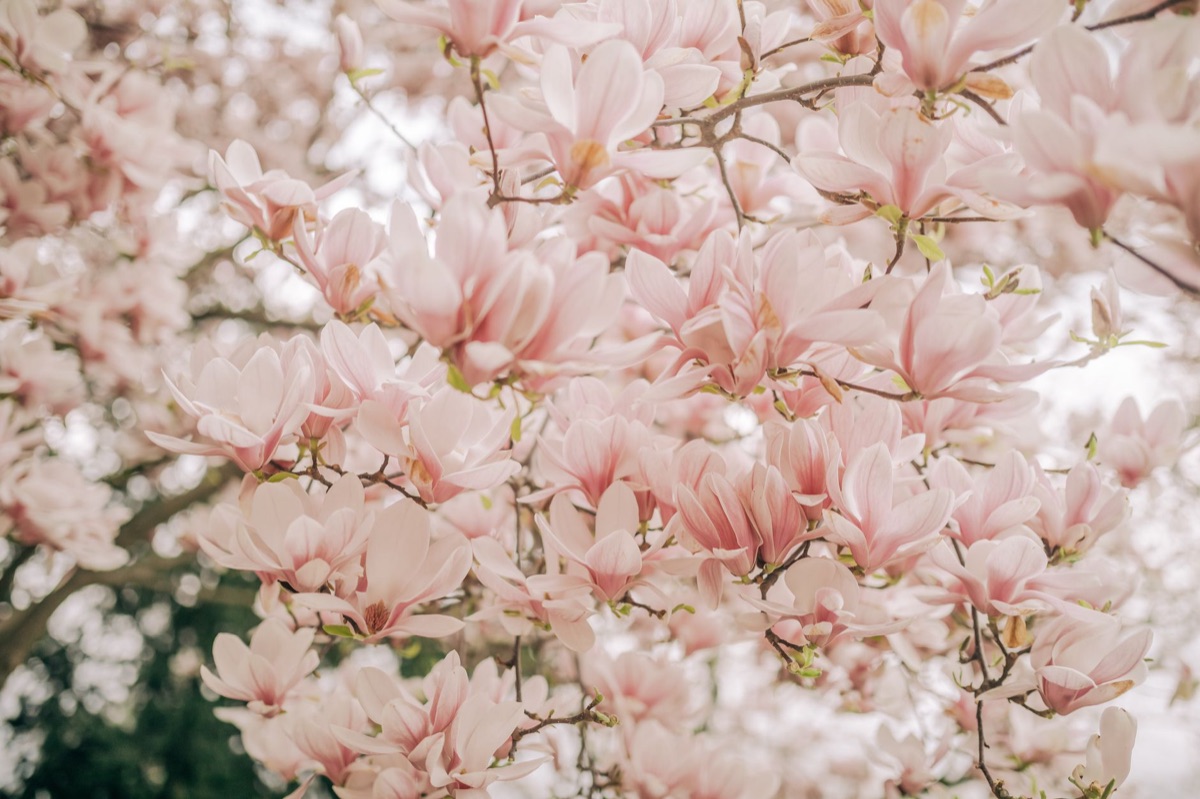
The arrival and establishment of Magnolias in Western horticulture occurred through various botanical expeditions and the global trade of living specimens.
While some species were native to parts of North America, the introduction of Eastern varieties to Europe and the subsequent movement of North American species globally created a massive shift in temperate gardening.
Upon arrival in new climates, the Magnolia was valued for its dramatic visual impact and its surprising hardiness. While some early gardeners feared the delicate-looking petals might not survive frost, they soon discovered the ruggedness of many species.
This led to a fascination with the genus, as it offered a scale and presence that few other flowering trees could match.
The diversity of species encountered during these periods was vast. Gardeners moved from appreciating the single, large blooms of wild varieties to the complex, multi-petaled beauty of cultivated hybrids.
This transition marked the shift from seeing the Magnolia as a wild curiosity to treating it as a prestigious garden specimen. However, this shift created a tension between tradition and modern aesthetics.
The Language of the Bloom: What is the real difference?
A gardener in a formal English garden prunes a branch with precision at 10:00 AM, while a poet in a mountain village contemplates the fallen petals on a mossy rock. The two scenes are worlds apart, yet both are centered on the same bloom.
When comparing the two worlds, the primary difference lies in the depth of the symbolic weight. In the East, the Magnolia was often tied to specific moral and social virtues, such as the integrity of the scholar.
In the West, while it carries connotations of dignity and perseverance, it is often valued as a centerpiece of horticultural excellence and aesthetic grandeur.
Color and form play significant roles in these interpretations. In many Eastern traditions, the white Magnolia represents purity and the transcendence of the spirit. In the West, the massive, waxy blooms of Southern Magnolias often symbolize strength and enduring beauty.
The shift from the delicate, airy forms of Eastern species to the heavy, lush forms of Western-cultivated varieties changed the "personality" of the flower in the eyes of the public.
In terms of garden roles, the Eastern Magnolia was often a contemplative element, integrated into the naturalistic and philosophical flow of a courtyard.
In Western garden design, the Magnolia often serves as a structural anchor—a specimen tree that defines a space, provides shade, and acts as a seasonal landmark. But how do you actually keep such a storied plant alive?
From Wild Flora to Cultivated Specimen: How do you grow it?
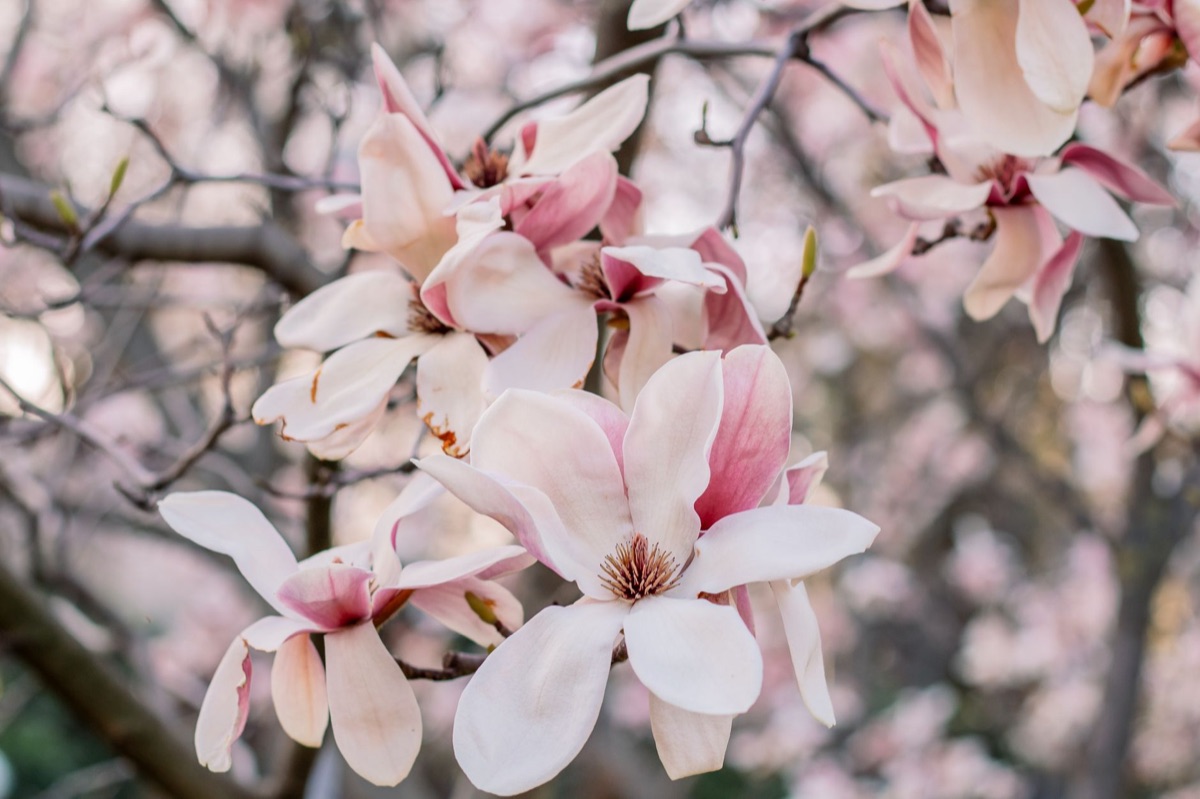
The sun hits the waxy leaves of a sprawling tree at noon, casting long shadows across a well-drained garden bed. The leaves are thick and green, a stark contrast to the delicate white flowers that once clung to the branches.
The genus *Magnolia* is one of the oldest flowering plant lineages, with fossil records showing they existed long before bees were common pollinators. They are primitive in a botanical sense, which makes their survival and successful cultivation all the more remarkable.
For those growing Magnolias in temperate Western climates, successful cultivation requires attention to specific needs. They generally prefer acidic, well-draining soil and a location that offers a mix of sunlight and protection from harsh winds.
Because many species bloom on bare wood, the timing of the flowering cycle is a critical seasonal event.
| Feature | Eastern Varieties (e.g., *M. denudata*) | Western/North American Varieties (e.g., *M. grandiflora*) |
|---|---|---|
| Bloom Timing | Early Spring (often on bare wood) | Late Spring to Summer |
| Foliage | Often deciduous | Often evergreen |
| Primary Symbolism | Purity, Nobility, Scholar's Virtue | Strength, Endurance, Magnificence |
| Garden Style | Minimalist, Courtyard, Contemplative | Specimen Tree, Formal, Large Estates |
Essential Care Steps for Success:
- Site Selection: Choose a spot with well-draining soil to prevent root rot.
- Sunlight: Most varieties thrive in partial shade to full sun, depending on the specific species.
- Mulching: Apply a thick layer of organic mulch to maintain soil moisture and acidity.
- Watering: Ensure consistent moisture during the establishment phase, especially in dry summers.
- leaves and branches should be inspected regularly for pests.
- Pruning: Limit heavy pruning to avoid cutting off future flower buds.
When I first planted a *Magnolia stellata* in my own backyard in 2024, I was terrified of the first frost. I learned quickly that while they are hardy, they require a delicate touch during their first three years of growth.
Note that while Magnolias are resilient, they are not indestructible. They do not thrive in heavy clay soils or areas with constant, stagnant water, and they may fail to bloom if they are planted in a location that is too shaded or too exposed to drying winds.
Beyond the Bloom: How does it influence our senses?
A painter brushes a stroke of white pigment onto a canvas, capturing the curve of a petal, while a modern designer selects a magnolia-scented oil for a luxury perfume. The flower continues to move through the senses of the world.
The Magnolia has been a constant subject in both Eastern and Western art. In Eastern ink paintings, it was a symbol of refined taste and spiritual clarity. In Western literature and film, it often serves as a backdrop for themes of Southern elegance or the overwhelming power of nature.
In the modern era, the Magnolia has found a new life in the world of scent and design. The heavy, citrusy, and creamy notes of the Magnolia bloom are highly prized in perfumery, capturing the essence of the flower's luxury.
In interior design, the bold shapes and leaves are often used to bring a sense of organic grandeur to modern spaces.
Whether it is a quiet moment of meditation in a Zen garden or a dramatic centerpiece in a sprawling estate, the Magnolia remains a bridge between the natural world and human emotion. It is a living testament to the beauty of survival and the enduring power of form.
#

Comments 0