9-Step Guide to Perfect Chrysanthemum Blooms This Autumn
"Beyond mere aesthetics, mastering the diverse cultivars of chrysanthemums unlocks the deep cultural and horticultural artistry of a truly magnificent autumn garden."
* Chrysanthemums offer unparalleled diversity, requiring tailored care based on specific cultivar needs. * Successful cultivation hinges on understanding the plant's lifecycle, from planting through dormancy. * Proper management ensures vibrant blooms, disease resistance, and extended display life. * The plant holds deep cultural resonance, echoing through history and artistry.
Why Choose Chrysanthemums? A Deep Dive into Species and Varieties
The spicy scent of autumn air fills my lungs as I brush my fingers against the velvet petals in the morning light.
The morning air in late September 2026 feels crisp against my skin as I walk through the garden, where the heavy, nodding heads of gold and burgundy begonias are being overtaken by the sheer presence of the mums.
The scent is earthy and slightly spicy, a sharp contrast to the sweet floral notes of June.
The genus *Chrysanthemum* belongs to the Asteraceae family, making them close relatives to daisies and sunflowers. Originally native to East Asia, particularly China and Japan, these plants have traveled the globe to become staples of temperate autumn gardens.
Because of their vast genetic diversity, you can find everything from tiny, creeping groundcovers to massive, bushy specimens that dominate a landscape. In a standard 4-foot by 4-foot garden bed, you could fit roughly 9 to 12 medium-sized plants, creating a dense wall of color.
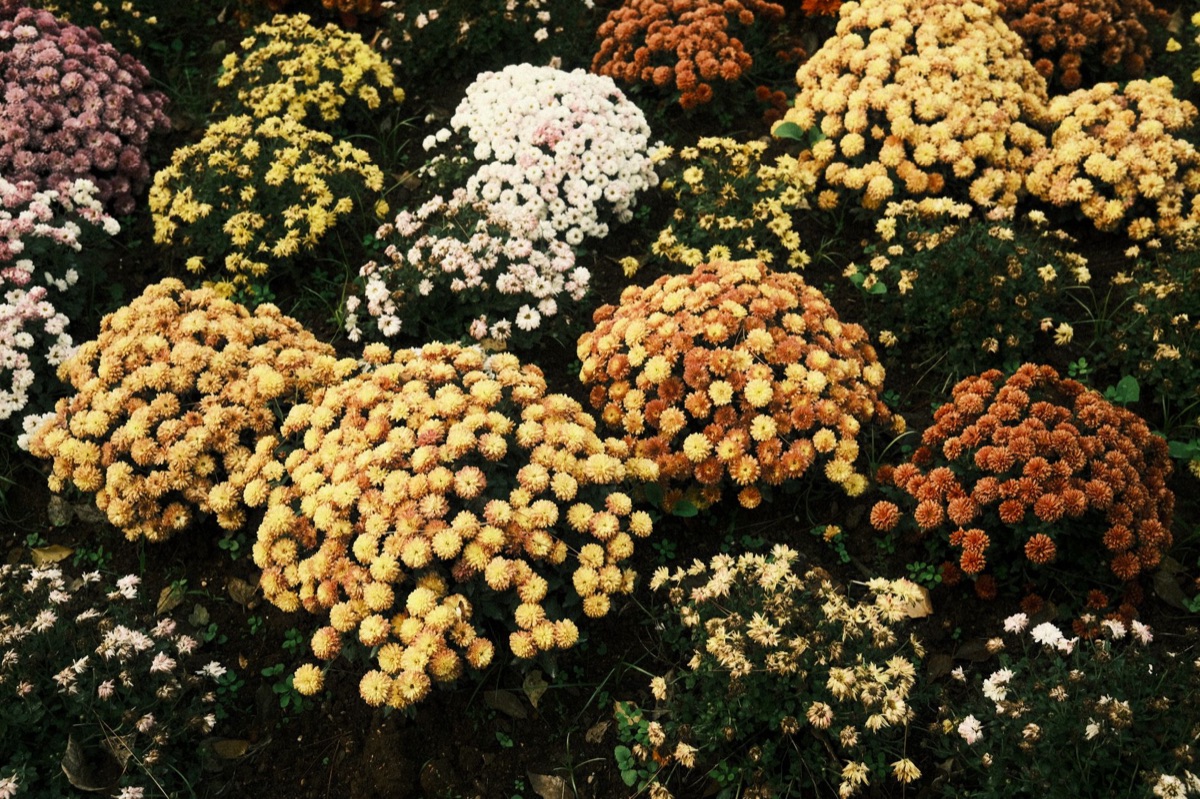
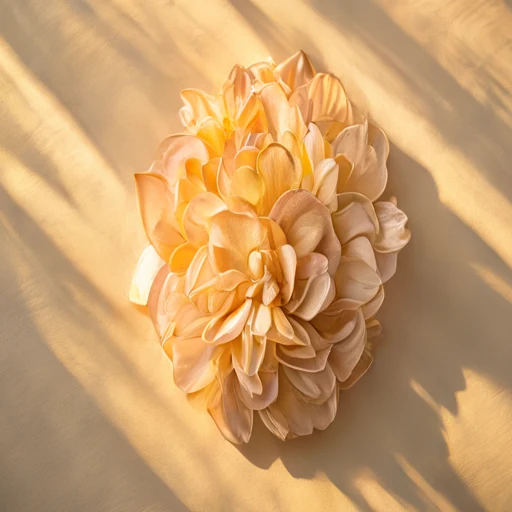
The variety in form is staggering. You might encounter "cushion" mums that form tight, rounded mounds of petals, or "spider" mums with long, thin, needle-like petals that reach outward.
There are also "anemone-flowered" types with distinct centers and "pompon" varieties that look like miniature colorful globes. This spectrum allows gardeners to use them as structural anchors or delicate accents.
Historically, the breeding of these plants has been an art form in its own right. In the latter half of the 19th century, during the Meiji period, the growing importance of the chrysanthemum as a symbol of the Imperial family led to significant horticultural shifts.
This era saw the rise of the *ogiku* style, where breeders focused on creating massive, show-worthy cultivars with diameters of 20 centimeters or more. This legacy of intentional breeding is why we have such a wide array of shapes and sizes today.
As we move from history to the dirt beneath our fingernails, we must understand how to actually grow these heavy-hitters.
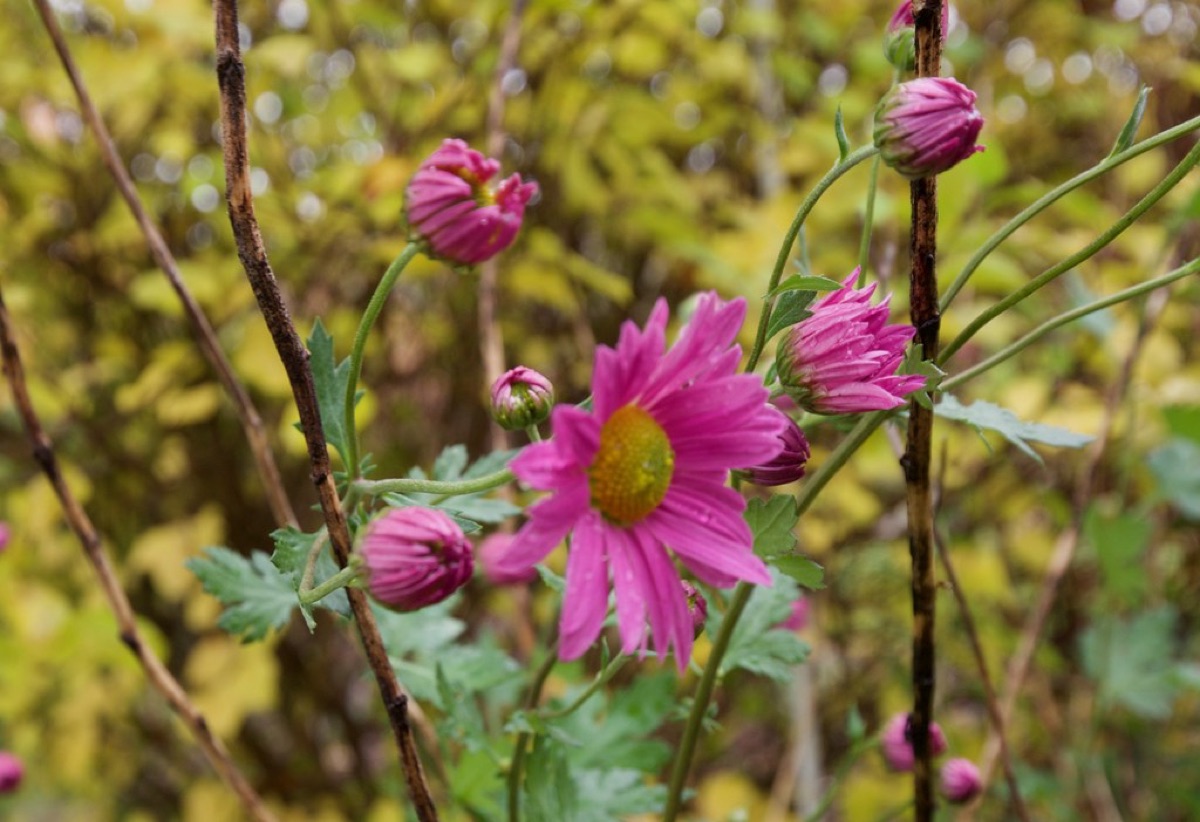
How do I master growing from seed to full bloom? I kneel in the damp dirt at dawn, feeling the grit under my fingernails as I carefully settle the fragile seedlings into the earth.
I remember the first time I tried to transplant a nursery-bought mum into my backyard in the spring of 2024; I ignored the soil texture and ended up with a stunted, leggy mess by October. It was a humbling lesson in the importance of preparation.
To succeed, you must match the plant to its environment. Chrysanthemums generally crave full sun—at least six to eight hours of direct light—to produce the energy needed for those dense petal counts.
While they love the sun, they also require a period of cooler nights to trigger the blooming process, which is why they are the undisputed kings of the fall.
Soil composition is the foundation of a successful bloom. They prefer well-draining, loamy soil enriched with organic matter.
If your soil is too heavy with clay, the roots may rot during wet autumn spells; if it is too sandy, the plants will struggle to retain enough moisture to support their heavy floral displays. Aim for a slightly acidic to neutral pH level, ideally between 6.0 and 7.0.
When it comes to planting, timing is everything. For the best results, transplant your seedlings into their permanent home once the danger of late spring frosts has passed and the soil has warmed.
- Site Selection: Choose a spot with excellent drainage and full sun exposure.
- Soil Preparation: Mix in two to three inches of compost into the top layer of soil.
- Planting Depth: Dig a hole twice as wide as the root ball and just as deep.
- Settling: Place the plant so the crown is level with the soil surface and firm it gently.
- Initial Watering: Water deeply immediately after transplanting to settle the air pockets.
Watering should be consistent but mindful. It is far better to provide a deep, thorough soaking a few times a week than to give them light, superficial splashes every day. Deep watering encourages the roots to grow downward, creating a more stable and drought-resistant plant.
Even with perfect soil and water, the transition from a growing plant to a blooming masterpiece requires active intervention.
How can I maintain peak performance through autumn? Walking through a garden in mid-October, I often see beautiful mums that look tired or unevenly bloomed. It usually isn't a lack of water, but a lack of careful grooming.
Pest and disease management is a constant battle for the autumn gardener. Keep a sharp eye out for aphids, which love the tender new growth, and spider mites, which can thrive in drier conditions. Using insecticidal soap or a strong blast of water can often manage these without harsh chemicals.
For fungal issues like powdery mildew, ensure there is enough airflow between plants to prevent stagnant, humid pockets.
Pruning is another vital tool. In the early growing season, "pinching" the tips of the stems helps the plant branch out, resulting in a fuller, bushier shape rather than a single tall stalk. Once the blooms appear, practice "deadheading"—the removal of faded flowers.
This prevents the plant from putting energy into seed production and can sometimes encourage a second flush of blooms.
As the season reaches its peak, you will need to adjust your maintenance. During the height of the flowering stage, you might need to increase fertilization slightly to support the massive energy demand of the blooms.
However, once the flowers begin to fade, taper off the heavy feeding to prevent excessive new vegetative growth that won't have time to flower.
As the temperature begins to drop toward winter, you must prepare your plants for the long sleep ahead.
Beyond the Bloom: Utilizing Chrysanthemums in Design and Display
I once designed a small courtyard garden in 2025 where the mums were the only color against a slate-grey stone wall. The contrast was so striking that guests spent more time looking at the flower beds than at the architecture itself.
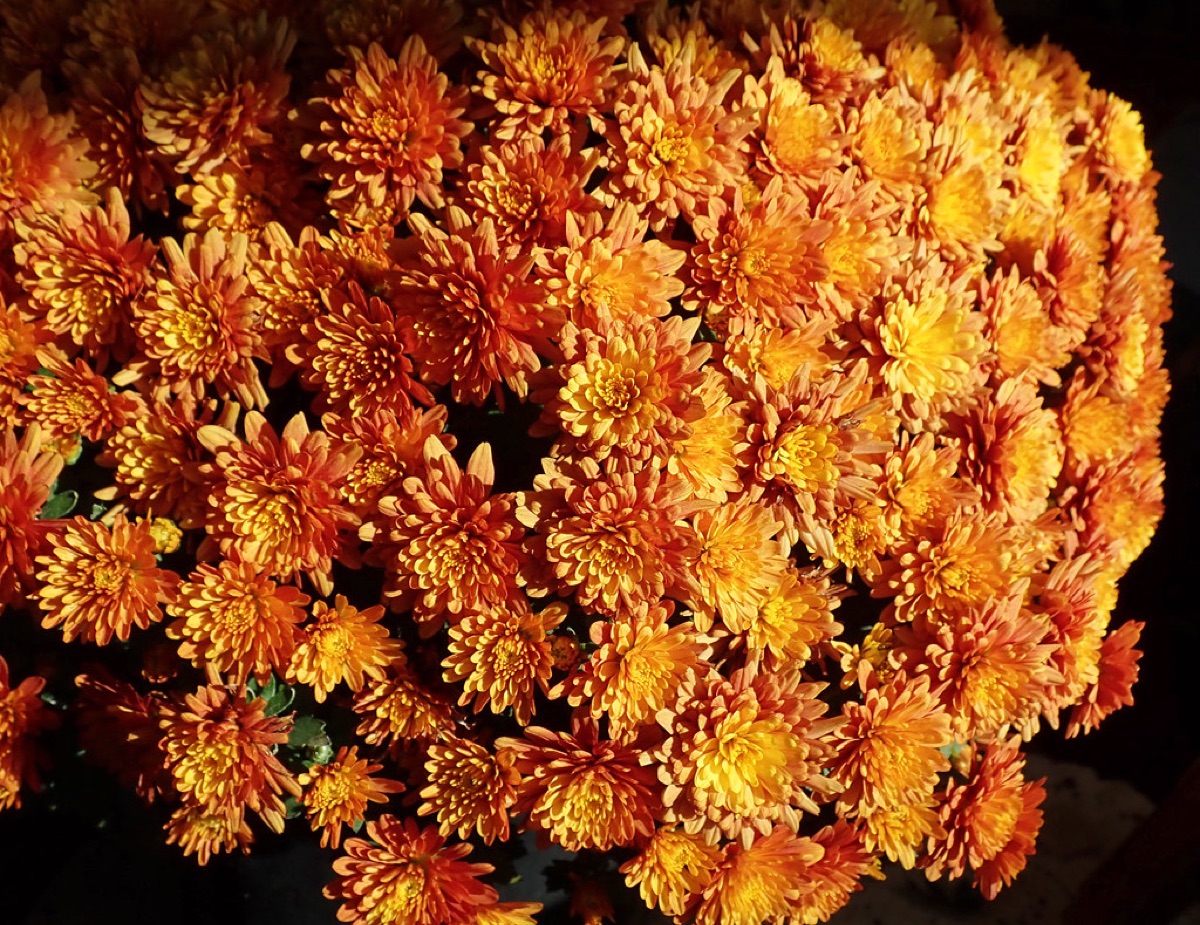
In garden design, chrysanthemums are excellent for "bedscaping." Because of their mounding habit, they work perfectly as mid-border plants. Pair them with ornamental grasses to add texture, or with late-season perennials like asters to create a sea of color.
The contrast between the structured petals of a mum and the wispy movement of grasses creates a professional, layered look.
If you are using them as cut flowers, selection is key. Choose stems that are still in bud form but showing significant color. To maximize longevity in a vase, cut the stems at a sharp angle under running water and place them in a clean vase with floral preservative.
This prevents bacterial buildup that can clog the stems.
For container gardening, mums are a classic choice. However, remember that pots dry out much faster than the ground. Ensure your containers have ample drainage holes and consider using a slightly heavier potting mix to prevent the plants from tipping over as they grow top-heavy.
In many cultures, these flowers are also used in traditional floral arrangements, symbolizing longevity and rebirth.
Even the most beautiful garden can face sudden setbacks, so knowing how to fix problems is essential.
Troubleshooting Common Issues: A Gardener's Quick Guide
Sitting on my garden bench one evening in late October, I noticed a patch of mums that had stayed entirely green despite the cooler weather. It was a frustrating reminder that sometimes, despite our best efforts, things don't go according to plan.
| Issue | Likely Cause | Immediate Action |
|---|---|---|
| No blooms/Leggy growth | Lack of sunlight or insufficient pinching | Move to a sunnier spot; pinch tips next season |
| Yellowing leaves | Overwatering or nutrient deficiency | Check drainage; apply a balanced liquid fertilizer |
| Wilting during day | Heat stress or root issues | Check soil moisture; ensure roots aren't crowded |
| Spotted leaves | Fungal infection | Remove affected foliage; improve airflow |
Bolt Failure: If your plants are growing tall and green but failing to produce flowers, they may be "bolting." This is often caused by too much nitrogen in the fertilizer or insufficient light. High nitrogen encourages leaves but suppresses blooms.
Switch to a phosphorus-rich fertilizer to encourage flower production.
Color Variation: Sometimes, a flower might not look as vibrant as the one you saw at the nursery. This can be due to soil pH or temperature fluctuations. While you can't easily change the genetics of a plant, you can manage the environment to help the colors pop.
Pest Infestations: If you see a sudden swarm of insects, isolate the affected plant if possible. For heavy infestations, you may need to prune the infested parts entirely to save the rest of the plant.
Extended Bloom Extension: To keep blooms fresh longer, keep the plants well-hydrated but never water-logged. Removing dead heads promptly is the single best way to keep the display looking tidy and vibrant for as long as possible.
#



Comments 0