8-Step Tulip Care: From Bulb Choice to Full Bloom in Spring
"A garden of tulips is a promise of spring, but a successful bloom begins in the quiet, cold earth of autumn."
To achieve that perfect, synchronized burst of color, you must master the delicate balance of bulb selection, precise planting depth, and the biological necessity of winter chill.
By following specific horticultural requirements, you can transform a simple backyard into a professional-grade floral display.
Key Takeaways * Selecting bulbs with the right diameter is essential for vigorous growth and flower size. * Success relies on deep planting and a period of extended low temperatures to trigger blooming.
* Proper spacing prevents disease and ensures each flower has enough nutrients to thrive. * Understanding the relationship between temperature and stalk growth prevents weak, legginess.

Choosing the Perfect Tulip: Why does variety matter so much?
I remember standing in a garden center in October 2025, staring at rows of brown, papery bulbs that looked so much alike. It was a chilly Tuesday morning, and the smell of damp mulch filled the air as I held a single, heavy bulb in my palm.
It wasn't until I learned that the size and variety of those bulbs determined whether I’d have a spectacular spring or a disappointing patch of green leaves that I truly understood the craft of tulip growing.
In my own garden, I once planted a mix of sizes that resulted in a chaotic mess of heights, a mistake I won't repeat.
When you begin shopping, you will notice bulbs vary significantly in size. Depending on the specific variety, a bulb can be as much as 5 cm (2 inches) in diameter or as small as 1 cm (0.4 in).
Larger bulbs generally contain more energy reserves, which often leads to more robust blooms, but they also require deeper planting and more space. Variety selection is your primary tool for designing a bloom schedule.
For example, you might encounter Single Early varieties, which feature cup-shaped single flowers that are typically no larger than 8 cm (3 inches) across.
If you prefer a fuller, more ruffled look, you might opt for Double Early varieties, which have fully double flowers that are bowl-shaped and also reach up to 8 cm (3 inches) across.
To prevent overcrowding and ensure each plant has enough room to expand, you should plan your garden layout with density in mind. Tulips should be planted 10 to 15 cm (4 to 6 inches) apart from each other.
This spacing allows for adequate airflow and prevents the leaves from competing too aggressively for soil nutrients.
| Variety Type | Flower Shape | Typical Size | Best Use Case |
|---|---|---|---|
| Single Early | Cup-shaped | Up to 8 cm (3 in) | Early spring color bursts |
| Double Early | Bowl-shaped | Up to 8 cm (3 in) | High-impact, peony-like look |
Choosing the right variety ensures that your garden doesn't all bloom on the exact same day, allowing you to extend the season.
Planting for Success: How do I get the timing and technique right?
The sun was setting behind the garden fence in November 2025 as I dug the first hole, carefully measuring the depth to ensure the bulbs wouldn't be too shallow. The soil was cold against my gloves, and the wind had begun to bite through my jacket.
It is easy to just toss a bulb into a hole and call it a day, but tulip success is actually determined by the physics of the soil and the temperature of the earth. When you prepare your planting site, the depth of the hole is one of the most critical factors.
The recommended hole depth is 10 to 20 cm (4 to 8 inches) deep, and this measurement should be taken from the top of the bulb to the surface of the soil.
Planting too shallow can expose the bulbs to temperature fluctuations and drying out, while planting too deep can make it difficult for the sprout to reach the light. Timing is also a biological necessity. In most temperate regions, bulbs should be planted in the fall before the ground freezes.
This allows the bulbs to settle into the soil and undergo the necessary period of dormancy.
You must also ensure your soil is well-draining; bulbs sitting in soggy, heavy clay will quickly succumb to rot. The environment plays a hidden role in how your flowers develop. While we often think of warmth as the driver of growth, tulip biology is more complex.
Although flower development is induced at warmer temperatures of 20–25 °C (68–77 °F), the elongation of the flower stalk and proper flowering is dependent on an extended period of low temperature below 10 °C (50 °F).
This "chill period" is what tells the plant to transition from a vegetative state to a flowering one.
Nurturing Your Tulips: What is the secret to a healthy growing season?
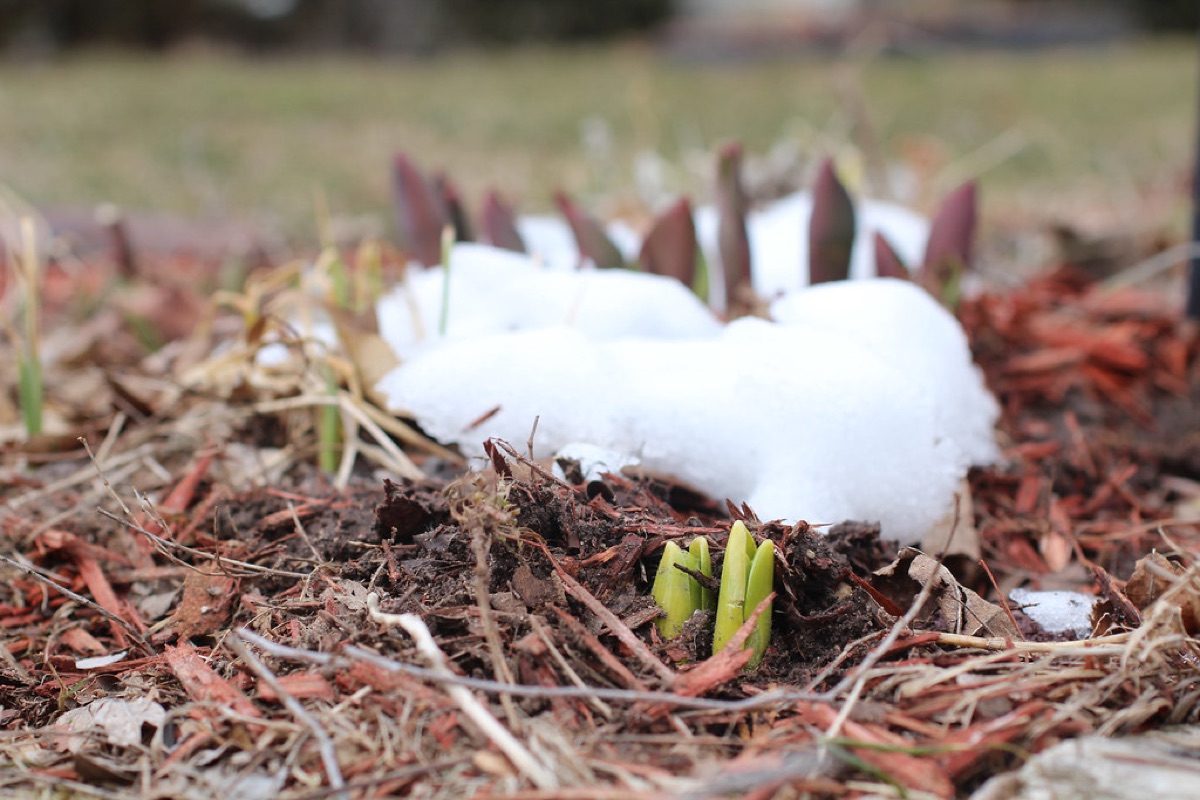
Walking through the garden in late March 2026, I watched as the first green tips poked through the mulch, looking much more fragile than the sturdy bulbs they once were. The morning dew was heavy on the petals, and the air still held a sharp, wintry chill.
Managing the transition from a dormant bulb to a blooming flower requires careful attention to how the plant interacts with light and water. As the plants grow, you will notice the leaves emerging.
Depending on the species, tulip leaves are typically 10 and 25 cm (4 and 10 inches) long, but in some species, they can reach over 30 cm (12 in).
These leaves are the solar panels of the plant, gathering the energy needed to replenish the bulb for next year. Temperature management is a balancing act. While you want enough warmth to encourage the flower to open, you must be mindful of the temperature-induced growth triggers.
As mentioned, while warmer temperatures of 20–25 °C (68–77 °F) help induce flower development, the stalks need that lingering cold to grow properly. If the weather gets too warm too quickly, you might end up with short, stunted stalks. Watering should be consistent but cautious.
The goal is to keep the soil moist enough to support growth but never so wet that the bulbs sit in standing water. Because the leaves provide so much energy, you should avoid cutting them back too early in the season.
Beyond Bloom: Why should I care about post-flowering maintenance?
After the spectacular display of petals fades in April 2026, the garden can look a bit messy, but this is the most important time for the health of the bulb.
I used to want to chop the dead heads off immediately to keep the garden tidy, but I learned that the leaves are just as important as the flowers themselves.
When the flowers begin to wither, you can deadhead them by removing the flower head to prevent the plant from wasting energy on seed production. However, you must leave the green leaves intact.
The leaves need to stay green and healthy for several weeks after the bloom has faded so they can photosynthesize and send energy back down into the bulb.
During the summer months, the bulbs will enter a period of dormancy. It is vital to keep the area clear of heavy mulching that might trap too much moisture against the bulb, but also enough protection to keep the soil from drying out completely.
Watch for signs of pests or fungal diseases that might target the dormant bulbs through the soil.
If you notice that your bulbs are becoming smaller or the blooms are getting weaker each year, you may need to consider bulb division or refreshing your stock.
In some cases, bulbs that have been planted for several years may need to be lifted and replaced to maintain the vigor of your spring display.
Advanced Tulip Gardening: How can I achieve professional results?
For those looking to move beyond basic garden beds, advanced tulip gardening involves strategic layering and companion planting.
I once attempted a "bulb lasagna" technique in my backyard in late 2025, layering different varieties at different depths to create a multi-tiered floral explosion, and it taught me everything about how depth and timing work in practice.
One of the best ways to achieve a professional look is through staggered blooming. By mixing different varieties—such as combining Single Early bulbs with mid-season varieties—you can ensure that as one flower fades, another is just beginning to open.
This prevents the "one-week wonder" effect where the garden is beautiful for seven days and then empty for the rest of the spring.
To maintain a successful garden, follow this seasonal checklist:
- Autumn Planting: Dig holes 10 to 20 cm (4 to 8 inches) deep and space bulbs 10 to 15 cm (4 to 6 inches) apart.
- Winter Monitoring: Ensure the bulbs receive a consistent period of temperatures below 10 °C (50 °F) for proper stalk development.
- Spring Maintenance: Deadhead spent flowers but leave the leaves intact until they turn yellow/brown.
- Summer Care: Keep the soil well-drained and monitor for pests during the dormant period.
Troubleshooting is a constant part of gardening. If your tulips appear "leggy" or fall over, it is often a sign that they were planted too shallowly or that the temperature fluctuations were not sufficient to trigger proper stalk strength.
If the flowers are small, it may be a sign that the bulbs were too small to begin with.
To enhance the visual appeal, consider companion planting. Tucking small, low-growing perennials around your tulip beds can hide the base of the stalks and provide a beautiful contrast to the tulip foliage. This also helps suppress weeds that might compete for the nutrients your tulips need.
#


Comments 0