Autumn Flowers: Vital Signs of Life Through November
"The vibrant colors of autumn flowers are not just a final flourish, but a fierce, quiet preparation for the life to come."
Autumn blooms offer a different kind of beauty than the explosive energy of summer—one that is structured, resilient, and deeply purposeful.
* Characteristics: Robust petals designed to withstand temperature swings and life cycles centered on seeds or bulbs. * Blooming Season: Late August through early November, depending on local climate. * Difficulty: Moderate — success depends on managing moisture and drainage as temperatures drop.
| Category | Details |
|---|---|
| Scientific Name | Varies by species (e.g., *Chrysanthemum*, *Aster*) |
| Family | Diverse (Asteraceae, Campanulaceae, Liliaceae, etc.) |
| Origin | Temperate and subtropical regions worldwide |
| Symbolism | Maturity, serenity, nostalgia, eternal love |
| Blooming Window | Late summer to late autumn |
| Height | 6 inches (dwarf) to 60 inches (tall) depending on variety |
| Sun/Water | Full sun preferred / Water deeply when topsoil is dry |
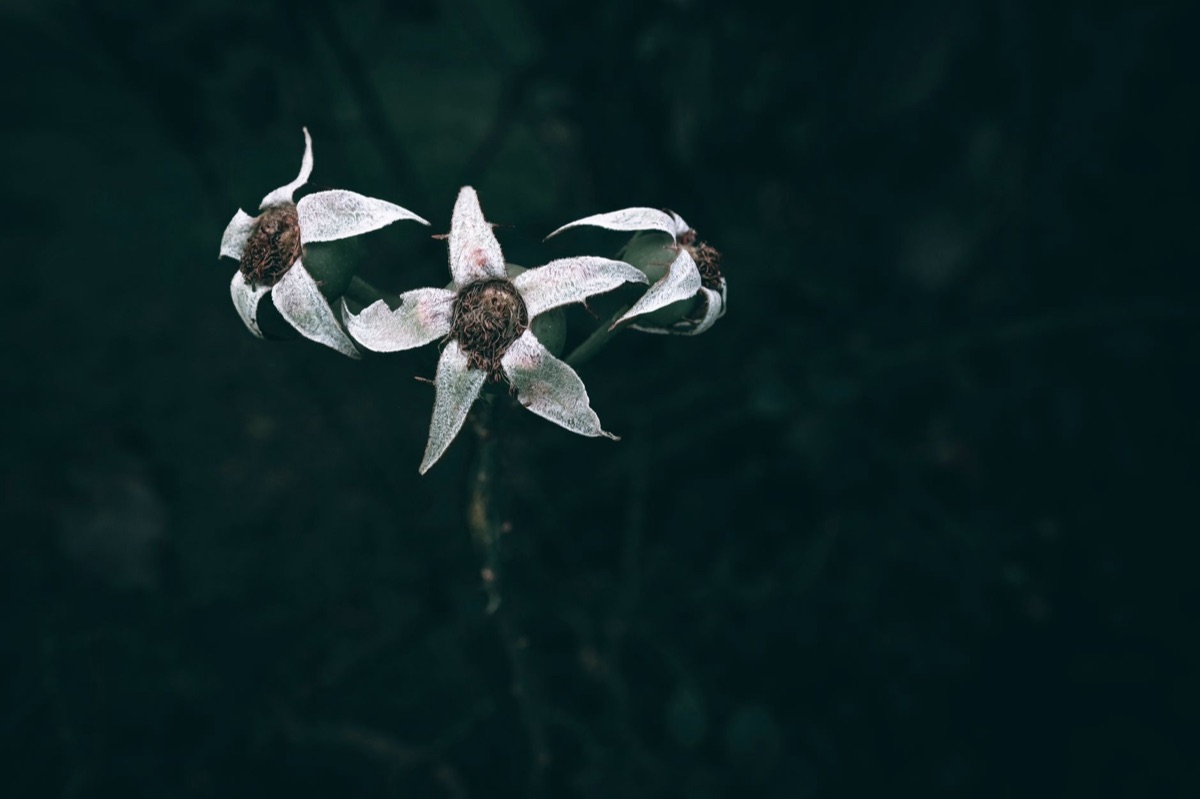
Why are autumn flowers so much more vivid before the leaves fall?
Walking through a wooded trail on a crisp October afternoon in 2025, you might notice flowers that seem almost unnaturally bright against the backdrop of dying leaves. While the ground crunches underfoot with dried foliage, these blooms stand out with a sharp, defiant clarity.
This intensity is a survival strategy. After accumulating energy under the summer sun, plants bloom in the cooling temperatures of October to catch the attention of remaining pollinators.
Because many of these species are focused on producing seeds or hardening their bulbs, their structures are often much sturdier than delicate spring blossoms.
This biological drive is more than just a visual treat; it is a demonstration of a plant's intense effort to secure its future before the frost hits.
But looking at these colors makes you wonder which specific plants define this transition.
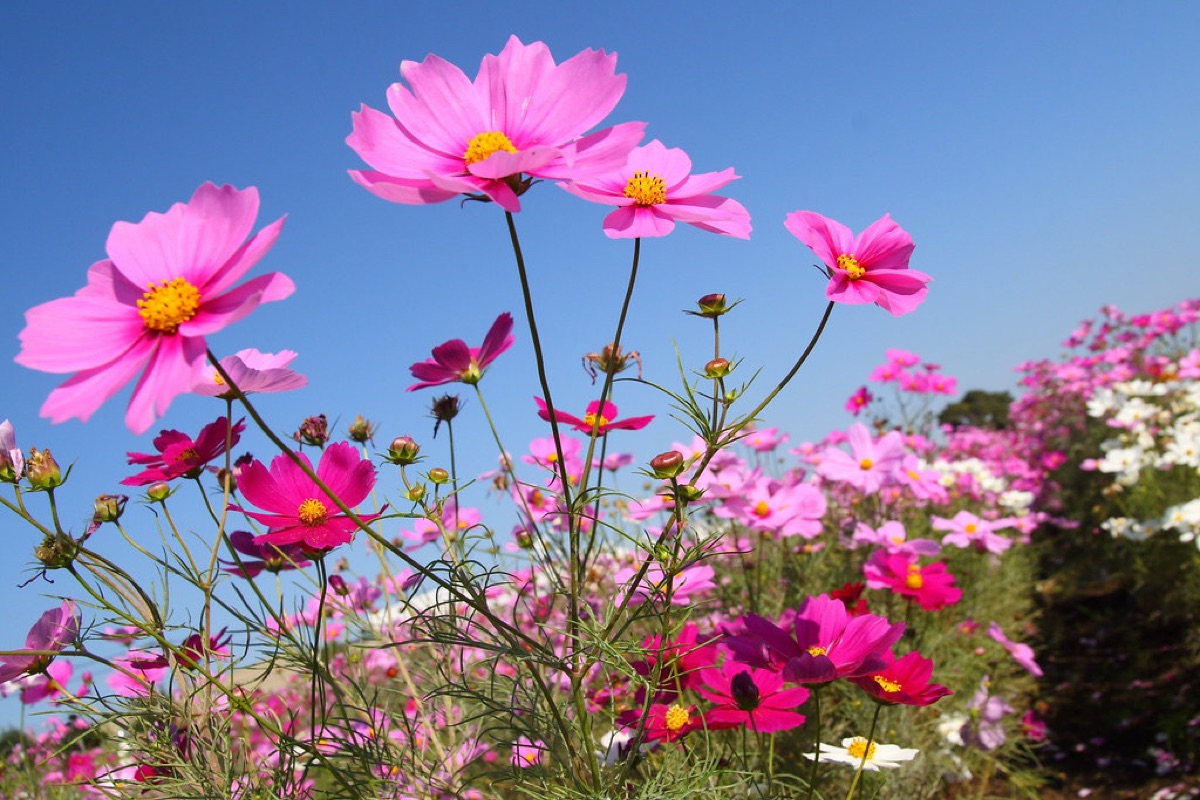
Which popular varieties will define my season? Walking through a local botanical garden or a suburban backyard in late 2025, you will encounter several distinct personalities in the floral world.
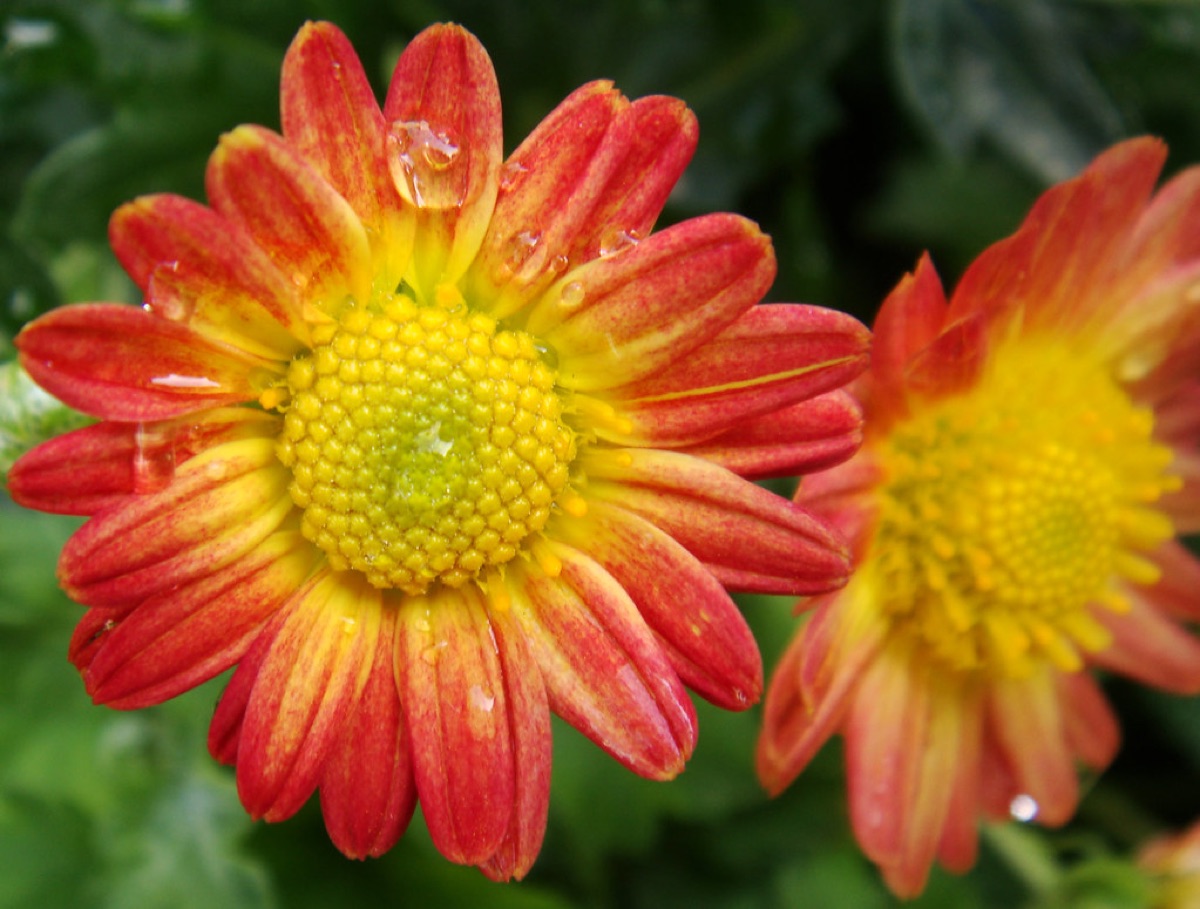
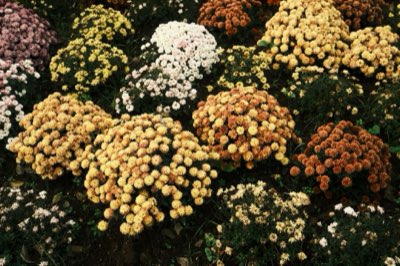
1. Chrysanthemums The quintessential symbol of autumn. With a massive range of cultivars, you can find everything from tiny 6-inch patio varieties to tall, bushy specimens over 24 inches.
2. Asters These often provide beautiful splashes of purple or white. They are famously hardy and can often handle leaner soil better than more pampered summer annuals.
3. Hellebores and Late-Season Blooms As autumn fades into early winter, certain varieties with unique leaf shapes and bloom times become the stars of the garden.
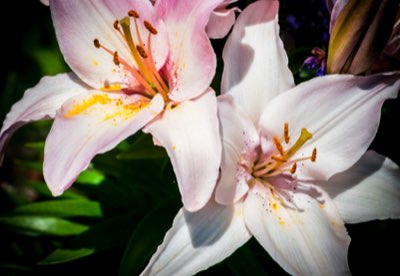
4. Bulb-Building Varieties Autumn is also a season of preparation. While some flowers bloom now, many plants are working hard to store energy in bulbs. For example, lilies are tall perennials ranging in height from 1–6 ft.
While some might bloom now, others are preparing for a massive growth spurt in the coming spring.
How do you keep autumn flowers thriving?
Standing on a porch in November 2025, looking out at a garden where the air has turned sharp, you realize that plant care must change with the season. The shift in humidity and temperature requires a different touch than the humid heat of July.
Light and Temperature Most autumn flowers crave sunlight. As days grow shorter in October, moving pots to the sunniest spot in your yard is essential to keep colors saturated and prevent stems from becoming "leggy" or weak.
Watering and Drainage As temperatures drop, plants lose water more slowly through evaporation. Instead of daily watering, check if the top 2 inches of soil are dry before adding more. Poor drainage is a major risk during this time, as cold, soggy soil can quickly lead to root rot.
Soil and Nutrition Plants blooming in autumn have often spent a full season consuming nutrients. After the flowers fade, adding compost or a slow-release fertilizer can help ensure that bulbs and roots develop enough strength to survive the winter.
Seasonal Management Steps 1. September to Early October: This is peak bloom. Perform "deadheading" (removing spent flowers) to redirect energy toward seed or bulb production. 2. Mid-October to November: Watch for sudden temperature drops.
Ensure outdoor pots have excellent drainage to prevent water-logged soil from freezing. 3. Winter Prep: Depending on the variety, late November is often the time to plant or transplant bulbs that need to overwinter.
However, even with perfect care, nature can throw a curveball.
How do I handle sudden temperature shifts and pests? Waking up to a sudden frost on a clear November morning in 2025 changes everything. You might find yourself rushing outside to check which plants are struggling under the white coating of ice.
Symptom 1: Yellowing Leaves A sudden dip in temperature or an overly wet soil can cause leaves to turn yellow and drop. While this can be a natural part of entering dormancy, it can also signal root damage from poor drainage.
Symptom 2: Fungal Issues Morning dew and damp autumn air are perfect breeding grounds for molds. If you see fuzzy, gray growth on petals or leaves, prune those sections immediately to prevent spreading.
Corrective Actions * Improve Airflow: Space plants at least 4 inches apart to ensure air can circulate, which helps dry out moisture quickly.
* Adjust Watering Times: Water during the brightest part of the day rather than in the evening so that moisture on the leaves evaporates quickly.
* Protect Sensitive Roots: For varieties that aren't frost-hardy, use mulch to insulate the soil or move pots to a sheltered area before temperatures hit freezing.
But beyond the survival of the plant, there is a deeper connection to human emotion.
The meaning and culture behind autumn blooms
Sitting in a quiet cafe as the year winds down, looking at a single stem in a vase, it is easy to reflect on why humans have always been drawn to these seasonal shifts.
Symbolism Autumn flowers often represent maturity and wisdom. The quiet, structured beauty that remains after the summer's passion has passed serves as a metaphor for reflection and the grace of aging.
Myth and Art In many cultures, autumn flowers symbolize harvest and abundance. In art history, these blooms often appear in "still life" paintings, representing both the richness of life and the fleeting nature of time.
This sense of meaning makes them perfect for our own living spaces.
Using autumn flowers in your home and garden
For those looking to brighten their living space, autumn flowers are versatile tools for design.
Garden Layout * Layering: For a professional look, plant taller varieties (up to 60 inches) in the back and shorter, dwarf varieties (around 14–24 inches) in the front to create depth.
* Container Gardening: Dwarf varieties, which are often around 14–24 inches in height, are perfect for patio containers or border accents.
Indoor and Outdoor Use * Cut Flowers: Because autumn stems are often sturdier, they tend to last longer in vases. Just ensure you clean the stems well to prevent rot.
* Gifting: A potted autumn plant makes a thoughtful gift for someone entering a new chapter of life, symbolizing stability and quiet strength.

Comments 0