90% of Fragrances: The Science Behind Floral Notes
"A single bloom can fill a quiet room, not with volume, but with a delicate, piercing clarity that lingers long after the petals have begun to fade."
The scent of Freesia is often described as a bright, peppery, and clean floral note that acts as a bridge between heavy white florals and light, fruity scents. It is a versatile fragrance that captures the essence of spring through a complex interplay of sweet and spicy volatile compounds.
* The Essence: Freesia is defined by a unique combination of sweet, peppery, and airy notes that create a "clean" floral profile. * The Pyramid: Its olfactory structure typically moves from bright, citrus-like top notes to a creamy, floral heart, settling into a soft, musky base. * The Science: Modern perfumery relies on specific chemical compounds to replicate this natural complexity, often balancing high volatility with stable base notes for longevity.
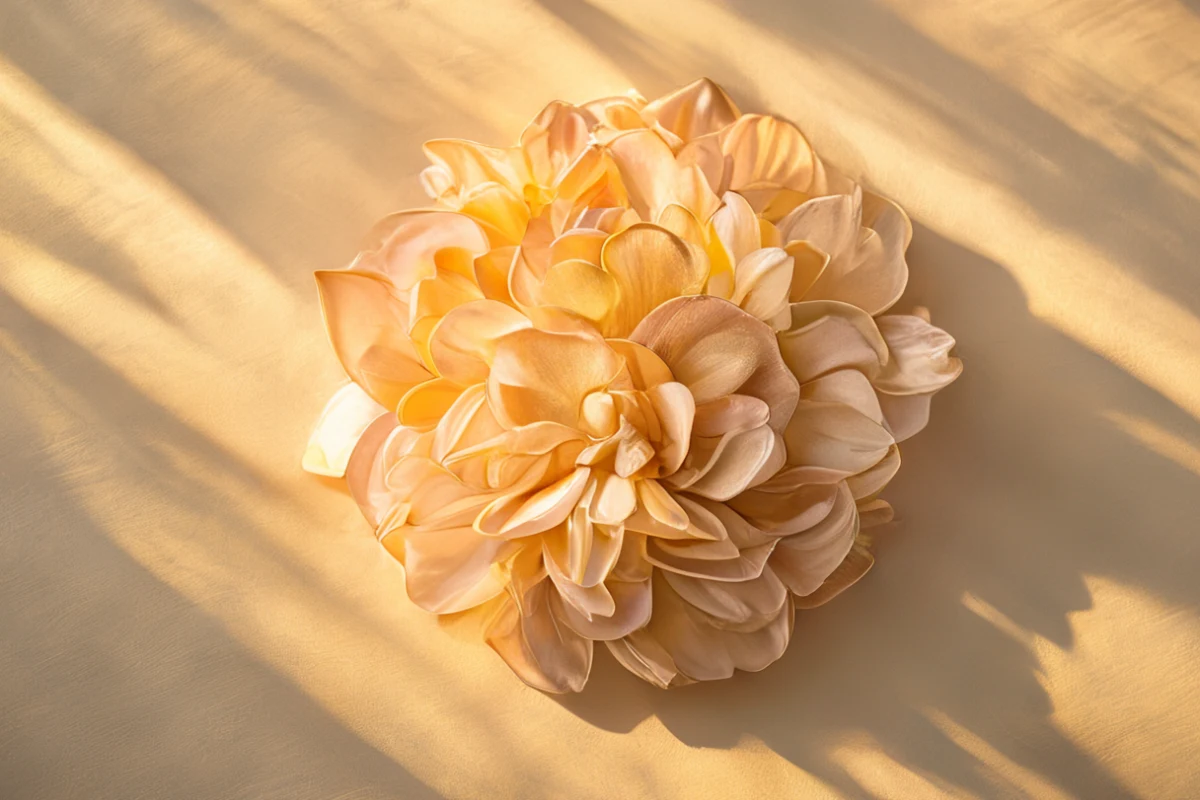
What does freesia actually smell like? I remember walking into a small florist shop in downtown Seattle last April, where a massive bucket of yellow Freesias sat right by the door. The air didn't just smell like flowers; it felt sharp, clean, and almost electric, cutting through the damp, heavy morning air.
According to the International Fragrance Association, Balsam of Peru has been banned since 1982 from use as a fragrance compound.
The olfactory signature of Freesia is characterized by its high volatility, meaning its scent molecules travel easily through the air, creating an immediate and noticeable presence.
Unlike the heavy, narcotic scent of a tuberose or the thick sweetness of a gardenia, Freesia offers a "transparent" floral quality. This is largely due to the presence of specific esters and aldehydes that mimic a fruity-floral freshness.
In a natural bloom, the scent is not a monolithic wall of fragrance but a shifting landscape. It begins with a sharp, almost spicy kick—often likened to black pepper or citrus—and transitions into a velvety, honeyed floral core.
This duality is what makes Freesia so prized in perfumery; it provides the "lift" that prevents a fragrance from feeling too heavy or dated.
While a natural flower relies on its own organic oils to carry these scents, modern perfumes often use synthetic recreations to stabilize these volatile molecules. This allows the lightness of the Freesia to last much longer than a real bloom might on a cutting table.
But how do these shifting layers actually work in a bottle?

How is the fragrance pyramid built? I sat at my desk last Tuesday, swirling a small vial of a new floral perfume, trying to peel back the layers of its construction. I wanted to understand why the initial burst of sweetness eventually gave way to something much more skin-like and warm.
To understand Freesia, one must understand the fragrance pyramid, which categorizes scents by how quickly they evaporate.
- Top Notes (The Initial Impression): When you first encounter a Freesia-dominant scent, you hit the top notes. These are the most volatile molecules that hit the nose immediately. In Freesia-inspired perfumes, these often include bright, citrusy, or peppery facets that mimic the flower's sharp, fresh opening.
- Heart Notes (The Core): As the top notes dissipate, the heart—or middle—notes emerge. This is where the true character of the Freesia bloom resides. It is a lush, floral, and slightly creamy profile that acts as the soul of the fragrance, providing the primary identity.
- **Base Notes (The Lingering Impression):most often, these are stable molecules like musk or amber. Because Freesia molecules are quite light, they don't naturally linger for long. Perfumers often pair Freesia heart notes with stable base notes like white musk, sandalwood, or amber to ensure the scent stays on the skin for hours after the initial bloom has faded.
Different cultivars also play a role. Some varieties might lean more heavily toward a spicy, carnation-like scent, while others are much sweeter and more reminiscent of lily-of-the-valley.
But if the molecules are so light, how do they survive a full day of wear?
The Science of Scent: Fragrance Composition & Concentration
I once spent an afternoon reading through old chemical catalogs, fascinated by how a few specific molecules can transform a liquid into an emotion. It is a delicate balance of chemistry and art.
The complexity of modern fragrance is staggering. In 2010, the International Fragrance Association published a list of 3,059 chemicals used in 2011 based on a voluntary survey of its members, identifying about 90% of the world's production volume of fragrances.
This highlights just how much science goes into capturing a single floral note like Freesia.
When looking at a bottle of perfume, the concentration determines how much of that "Freesia" character you actually experience.
| Concentration Type | Typical Percentage of Fragrance Oil | Characteristics |
|---|---|---|
| Eau de Cologne | 2% – 5% | Very light, high volatility, short-lived. |
| Eau de Toilette | 5% – 15% | Balanced, good for daytime, moderate projection. |
| Eau de Parfum | 15% – 20% | Richer, longer-lasting, more intense heart notes. |
| Parfum / Extrait | 20% – 40% | Deep, heavy, stays on the skin for a long time. |
The development of these scents also requires patience. Just as tea leaves might be left to rest to absorb fragrance, perfumes often undergo a process called maceration.
This is a period where the fragrance is allowed to "age" or rest, allowing the various chemical compounds to integrate and stabilize.
It is also important to note that not all ingredients are used freely.
For instance, certain substances like Balsam of Peru have been banned by the International Fragrance Association since 1982 from use as a fragrance compound, though they may still appear in small amounts as extracts or distillates in other products where mandatory labeling is not required for usage of 0.4% or less.
This level of regulation ensures that the complex notes we enjoy are safe for widespread use.
However, understanding the science is only half the battle; we must also understand the feeling.

Beyond the Bloom: Cultural Resonance of Freesia’s Scent
I remember an old lace handkerchief my grandmother kept, which always seemed to carry a faint, ghostly trace of floral perfume. It wasn't a heavy scent, but a light, airy one—much like the spirit of a Freesia.
Culturally, Freesia has often been associated with innocence, friendship, and thoughtfulness. Because its scent is bright and welcoming rather than overwhelming, it is a popular choice for gifts meant to convey joy or new beginnings.
In the history of perfumery, the "clean floral" profile has moved from being a niche specialty to a cornerstone of modern lifestyle scents. It is often used to evoke feelings of cleanliness, springtime, and optimism.
In contemporary settings, Freesia notes are frequently used in "skin scents"—perfumes designed to smell like a natural, enhanced version of one's own scent rather than a heavy mask.
However, as we lean into these concentrated scents, we must remain mindful of sensory sensitivity. While many find these floral notes uplifting, the high concentration of volatile compounds can occasionally cause issues for those with specific allergies or sensitivities to synthetic aromatics.
So, how do you choose the right one for yourself?
How to Choose Your Perfect Freesia Fragrance
Finding the right bottle can feel overwhelming when you are standing in a department store surrounded by hundreds of testers.
To find your perfect match, follow this simple ritual:
- Test on Skin, Not Paper: Always spray the fragrance on your wrist first. The natural oils in your skin will interact with the Freesia notes, changing the scent from what you smell on a paper blotter.
- 2.s Wait 20 Minutes: Do not make a decision immediately. The top notes will fade, and you need to experience the "heart" of the fragrance to see if the floral character suits you.
- Check the Concentration: If you want a light, refreshing scent for a summer morning, look for an Eau de Toilette. If you want a scent that lasts through a dinner party, opt for an Eau de Parfum.
- Layering Test: If you find a scent is too light, try layering it with a single-note musk or amber base to see if it gains the depth you desire.
By following these steps, you can ensure that the lightness of the bloom doesn't vanish before your day is done.
#


Comments 0