Achieve Perfect Freesia Blooms: 5 Essential Care Tips
"The moment I cracked the window, it wasn't the chill of the morning air that hit me, but a sudden, sweet wave of yellow petals."
Spring is more than just a change in temperature; it is a sensory shift. In the floral world, few things capture that transition as effectively as the freesia.
With its vibrant colors and an aroma that can transform a stale living room into a blooming garden, it is the quintessential messenger of the season.
* Characteristics: Intense, seductive fragrance, bright colors, and the resilient life force of a bulbous plant. * *Bloom Season*: March to May (Peak spring blooming). * Difficulty: Low-to-medium (Success is easy if you manage the bulbs correctly).
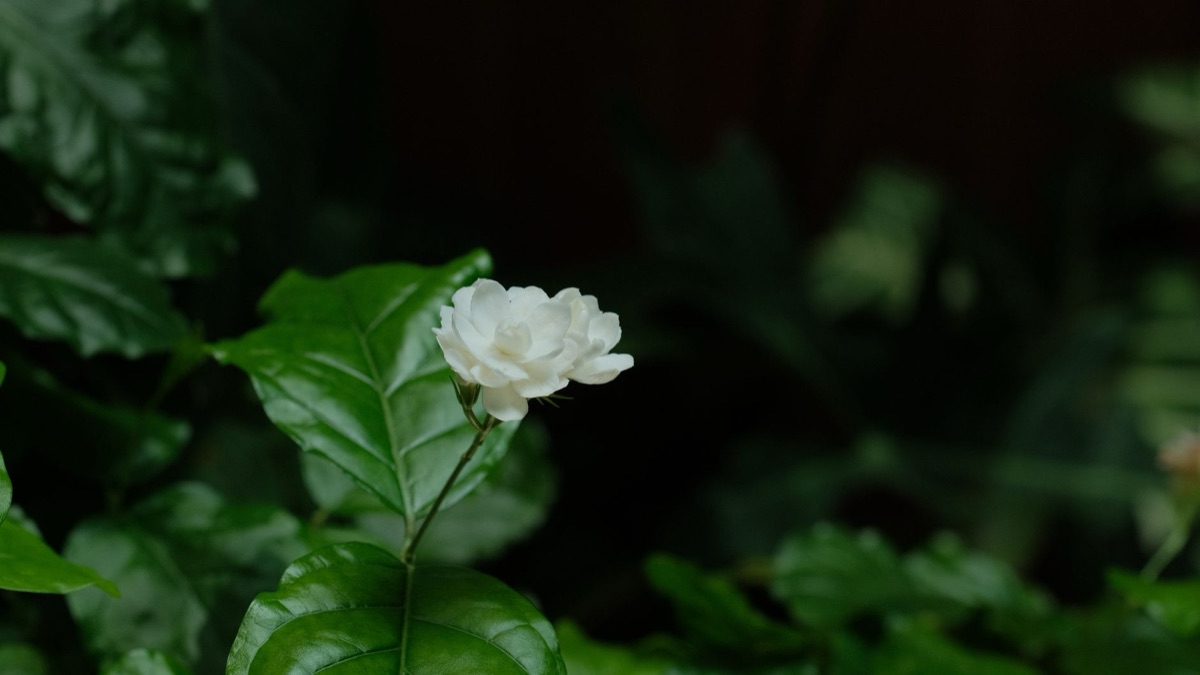
Why does the scent hit so much harder in the spring?
I remember standing on my balcony one Tuesday morning, the sun just beginning to crest over the neighborhood rooftops. As I leaned in toward the flowerpot, the scent hit me so sharply I had to close my eyes just to breathe it in.
The winter chill had finally retreated, and as the air warmed, the freesia buds seemed to burst open in a synchronized release of fragrance.
As an iris family bulb, the freesia is highly sensitive to changes in temperature and humidity. When the ambient temperature rises, the cell walls of the petals become more flexible, allowing the volatile aromatic compounds trapped inside to escape into the air.
The moderate humidity and moving air of a typical spring day provide the perfect medium for these scents to travel, making the fragrance feel more vivid and far-reaching.
This intensity is why floral scents are so foundational to the perfume industry. Just as fragrances are categorized by their concentration, the way you experience a freesia depends on how you interact with its natural oils.
| Feature | Botanical Name | Family | Origin | Meaning | Blooming Season | Height | Light/Water |
|---|---|---|---|---|---|---|---|
| Freesia | *Freesia* | Iridaceae | South Africa | "Your beginnings are cheered" | March–May | 20–30cm | Full sun/Water when topsoil is dry |
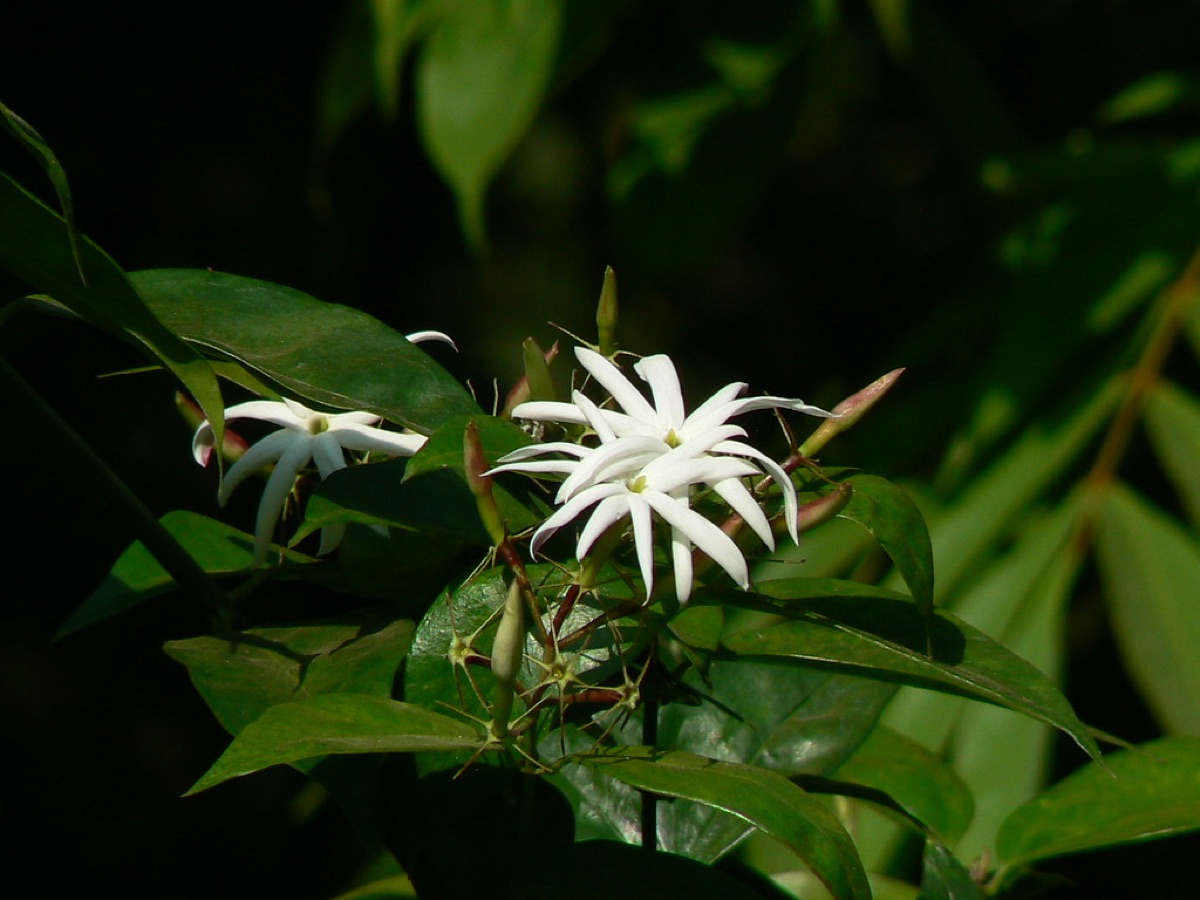
What are the four main varieties of color and scent?
Walking through a local flower market, I realized that "yellow" is not just one single color. Some blooms looked like bright lemons, while others had a thick, honey-like appearance that suggested a much heavier scent.
The first and most common is the Yellow Freesia. This is the classic choice, featuring bright, vivid petals and a clean, refreshing scent. It is the standard "spring in a vase" that almost everyone enjoys.
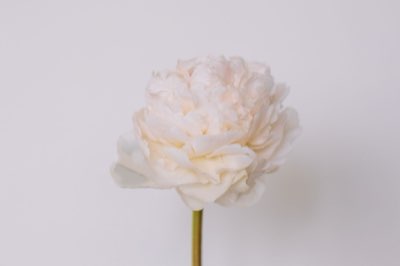
Second is the White Freesia. These pure white petals offer a sense of elegance and purity. The scent is typically more subtle and calming than the yellow varieties, making them a popular choice for wedding bouquets or sophisticated gifts.
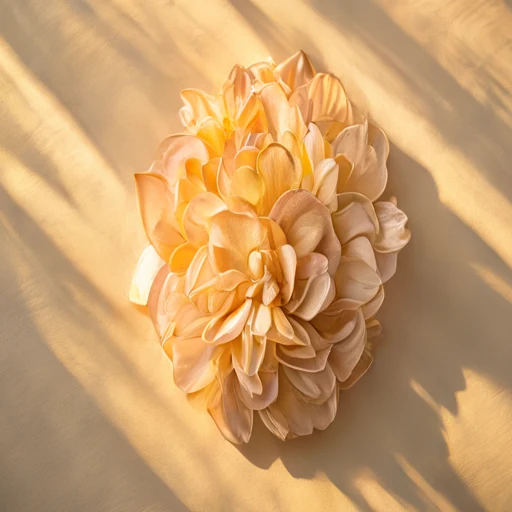
Third, we have the Orange/Peach varieties. These warm tones are visually striking, and the scent tends to be slightly heavier and sweeter than the standard yellow. They are excellent for creating a cozy, warm atmosphere in a room.
Finally, there are the Multicolored/Striped varieties. These unique blooms, featuring streaks of color or variegated petals, serve as excellent visual focal points in a garden or a centerpiece.
How can you grow and maintain a successful bloom?
Looking at a crowded pot of tightly packed bulbs, you can almost feel the potential energy waiting to burst. However, to see those flowers year after year, you have to master the balance of bulb health and environmental control.
1. Light and Temperature Freesias crave sunlight. If they don't get enough, the stems will grow long, thin, and weak—a condition known as legginess. Aim for at least four to six hours of direct or very bright indirect sunlight daily. For temperature, they thrive between 59°F and 77°F. If it gets too hot, the life of the flower will be cut short.
2. Water and Soil They need well-draining, sandy loam soil. When watering, wait until the top inch of soil feels completely dry to the touch, then water deeply until it runs out of the drainage holes. Overwatering is the fastest way to rot a bulb. During the blooming phase, keep the moisture consistent but be careful not to get water directly on the delicate petals.
3. Seasonal Maintenance Guide * Autumn (Planting): Dig holes at an appropriate depth. If you plant too deep, the stems will struggle to reach the surface; too shallow, and they may dry out. * Winter (Dormancy): A period of cooler temperatures is actually necessary to help the bulbs form flower buds for the coming spring. * Spring (Blooming): Once the flowers appear, maximize light exposure. After the flowers fade, focus on nutrient replenishment to prepare for next year. * Summer (Post-Bloom): After the flowers die off, let the leaves grow and turn yellow naturally. Do not cut them until they are completely dry, as they are storing energy for the bulb.
4. Propagation and Repotting Freesias are primarily grown through bulbs. Once the blooming season is over, you can divide healthy bulbs to increase your collection. The safest time to repot is after the flowers have completely faded. If the pot feels too crowded, move them to a slightly larger container every two to three years to prevent stunted growth.
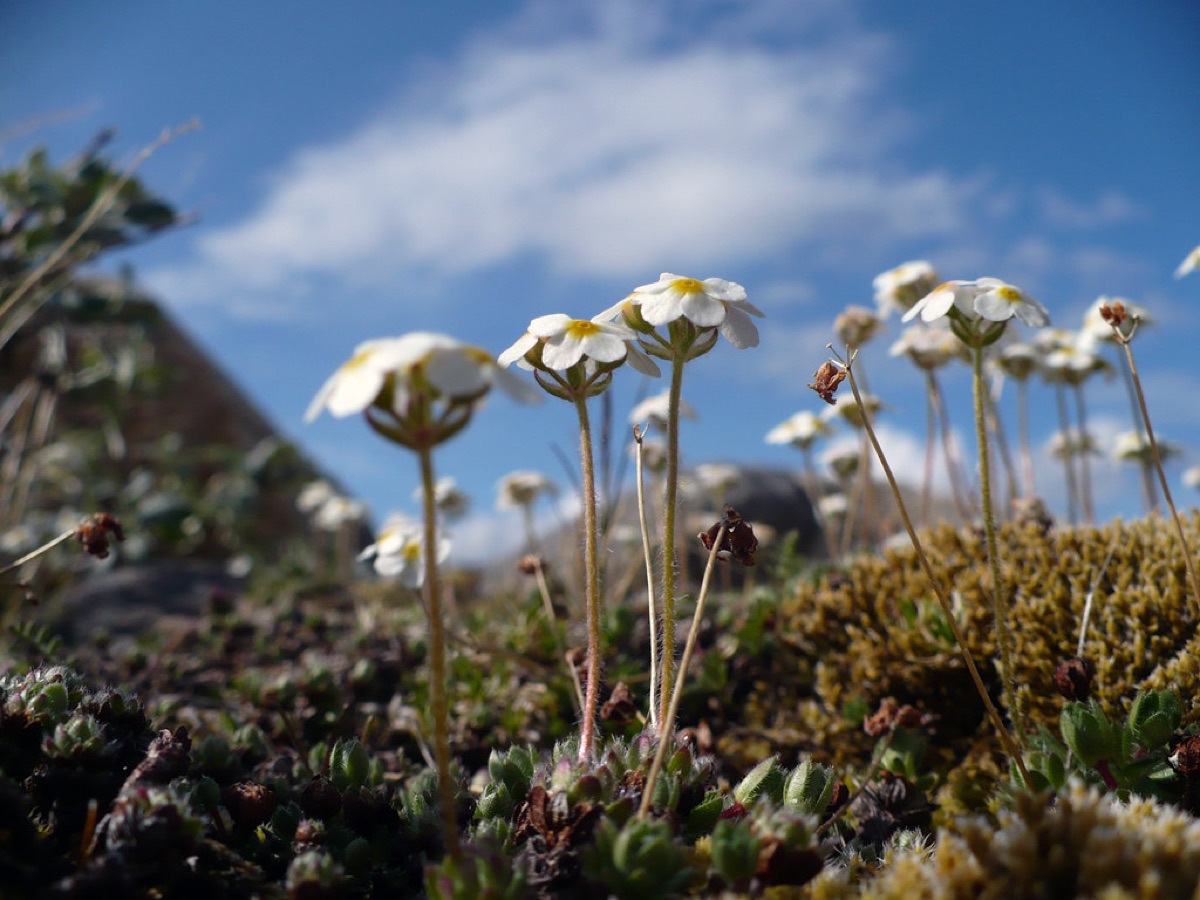
What if the leaves turn yellow or the flowers wilt?
One morning, I noticed the leaves on my prize-winning pot had turned a sickly yellow, and the stems were drooping. It can be disheartening to see your hard work failing, but identifying the cause is the first step to fixing it.
| Symptom | Primary Cause | Action to Take |
|---|---|---|
| Yellowing leaves | Overwatering or nutrient deficiency | Check drainage; switch to well-draining soil; apply slow-release fertilizer |
| Weak/flopping stems | Lack of light or excessive growth | Move to a brighter location; maintain proper environment to prevent legginess |
| Soft/mushy bulbs | Overwatering and low temperatures | Stop watering immediately; salvage only healthy bulbs by isolating them |
| White powdery spots | Powdery mildew (fungus) | Increase airflow; use a fungicide; remove infected parts |
The most frequent culprit is overwatering. Even if the top of the soil feels dry, the bottom of the pot can remain a swamp, causing the bulbs to rot slowly out of sight. Getting into the habit of checking the soil depth with your finger is essential.
How to gift a fragrant spring: Meaning and culture
When you walk into a flower shop to celebrate a friend's new job or a graduation, freesia is often the first thing you see. It is chosen not just for its beauty, but for the sentiment it carries.
The floral meaning of freesia is "Your beginnings are cheered." It is the perfect flower for someone starting a new semester, a new job, or a new chapter in life. This is why they are so prevalent during graduation and move-in seasons.
Beyond that, freesia symbolizes purity and elegance across many cultures. Because the scent is so potent yet clean, it is a wonderful way to tell someone you hope their future is as bright and fragrant as the blooms in your hand.


Comments 0