Sunflower Lifecycle: From Seed to Bloom in 14 Weeks
"A single seed, pressed into the dark earth, holds the blueprint for a golden giant that tracks the sun across the sky."
The journey from a tiny, striped seed to a towering floral masterpiece is a masterclass in biological timing and environmental interaction. To grow sunflowers successfully, one must understand the transition from vegetative strength to reproductive glory.
Key Takeaways * The sunflower lifecycle demands precise environmental triggers for successful anthesis. * Successful cultivation requires deep understanding of planting density, depth, and sequential care.
* Integrated management protocols are crucial for mitigating common diseases and pests throughout the growing season. * The plant's structure and biology offer deep insights into its agricultural and ornamental potential.
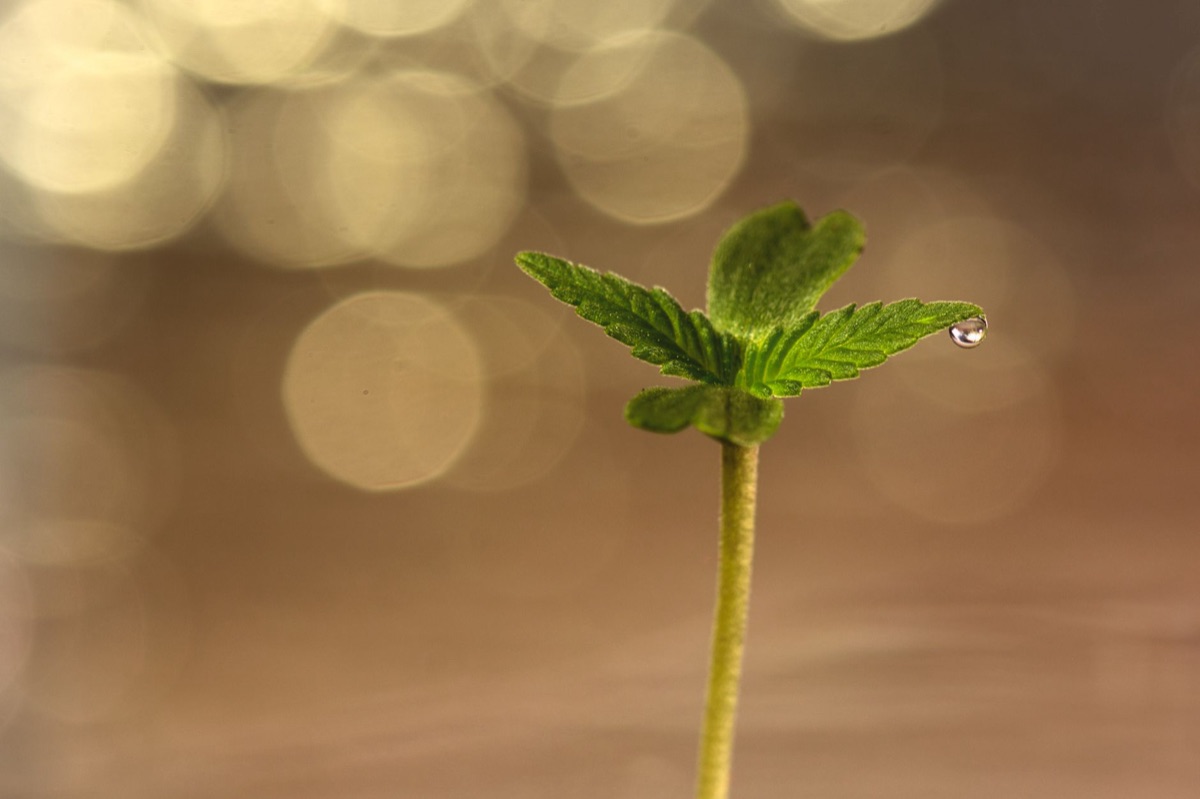
Why is the sunflower so vital in its lifecycle?
I remember standing in a vast field in the Dakotas during a late July morning in 2025, the heat rising in waves off the soil as the massive heads nodded in a synchronized dance. The sheer scale of the biomass was staggering, a testament to the efficiency of the genus *Helianthus*.
Belonging to the Asteraceae family, sunflowers are more than just pretty faces; they are complex biological engines.
The genus *Helianthus* includes many species, but the common sunflower is renowned for its rapid growth and massive flower heads, which are actually composed of hundreds of tiny individual florets. This structure allows for massive seed production and high oil yields.
To achieve the density seen in successful commercial fields, specific protocols are required. In professional commercial planting, seeds are typically planted 45 cm (about 1.5 feet) apart and at a depth of 2.5 cm (1 inch).
This spacing ensures that as the stalks thicken and the leaves expand, there is enough airflow and light to prevent stunted growth while maximizing the yield per acre.
Understanding these fundamental requirements sets the stage for the much more delicate phases of growth that follow. But why does the transition from a sprout to a flower cause so many growers to struggle?
How do I master the cycle from seed to bud? At dawn, I leaned over the greenhouse glass to watch the first green hooks push through the damp soil.
The sun hit the greenhouse glass at 6:00 AM on a Tuesday in early 2026, and I watched the first green hooks of the seedlings push through the potting mix. It is a quiet, determined moment that marks the beginning of a long journey toward the sky.
The lifecycle begins with Phase 1: Germination. Once the seed absorbs enough moisture, the embryo breaks through the hull. This stage requires consistent warmth and high humidity to prevent the delicate radicle from drying out.
In the field, successful germination is the first hurdle in establishing a uniform crop.
As the plants move into Phase 2, vegetative growth, the focus shifts to light and nutrient uptake. The sunflower is a heavy feeder, requiring significant nitrogen and phosphorus to build the thick, fibrous stalks necessary to support the heavy flower heads.
Light is the primary driver here; sunflowers are phototropic, meaning they actively move to face the sun, a behavior that fuels their rapid biomass accumulation.
Phase 3 is the reproductive phase, where the plant shifts its energy from growing taller to developing the flower head. This transition is triggered by specific day-length requirements and internal hormonal shifts.
For growers, maximizing bloom quality means ensuring the plant has enough water during the budding stage to prevent the heads from drooping or failing to develop fully.
As the buds begin to swell, the grower must transition from nurturing growth to defending the crop against invisible enemies.
How can I manage pests and diseases effectively? Walking through a field during a dry spell in late 2025, I noticed how some plants looked vibrant while others appeared withered and skeletal, despite being in the same soil. It was a stark reminder of how quickly a single pathogen can devastate a crop.
The health of a sunflower crop is constantly under threat from various biological agents. Fungal and bacterial pathogens can move through a field with terrifying speed. For instance, certain pathogens have been known to cause damage and loss to sunflower crops as extensive as 80% of the total crop.
One of the most devastating threats is broomrape, a parasitic plant that attaches to the sunflower roots. The damage and loss to sunflower crops as a result of broomrape can be as high as 100%, essentially wiping out an entire season's work by stealing nutrients directly from the host.
To manage these risks, follow this essential checklist: 1. Perform weekly inspections of the underside of leaves to check for aphids or fungal spots. 2. Rotate crops annually to prevent soil-borne pathogens from establishing a permanent presence. 3.
Maintain a consistent watering schedule to prevent stress-induced vulnerability. 4. Remove any diseased plants immediately to prevent the spread of spores to healthy neighbors.
In some cases, after a specific intervention or treatment, growth patterns might diminish by as much as 35% within 7 to 14 days, making it vital to understand the trade-offs of chemical versus biological controls.
Managing these threats is essential before the sunflowers reach their peak, when the value of the crop is at its highest.
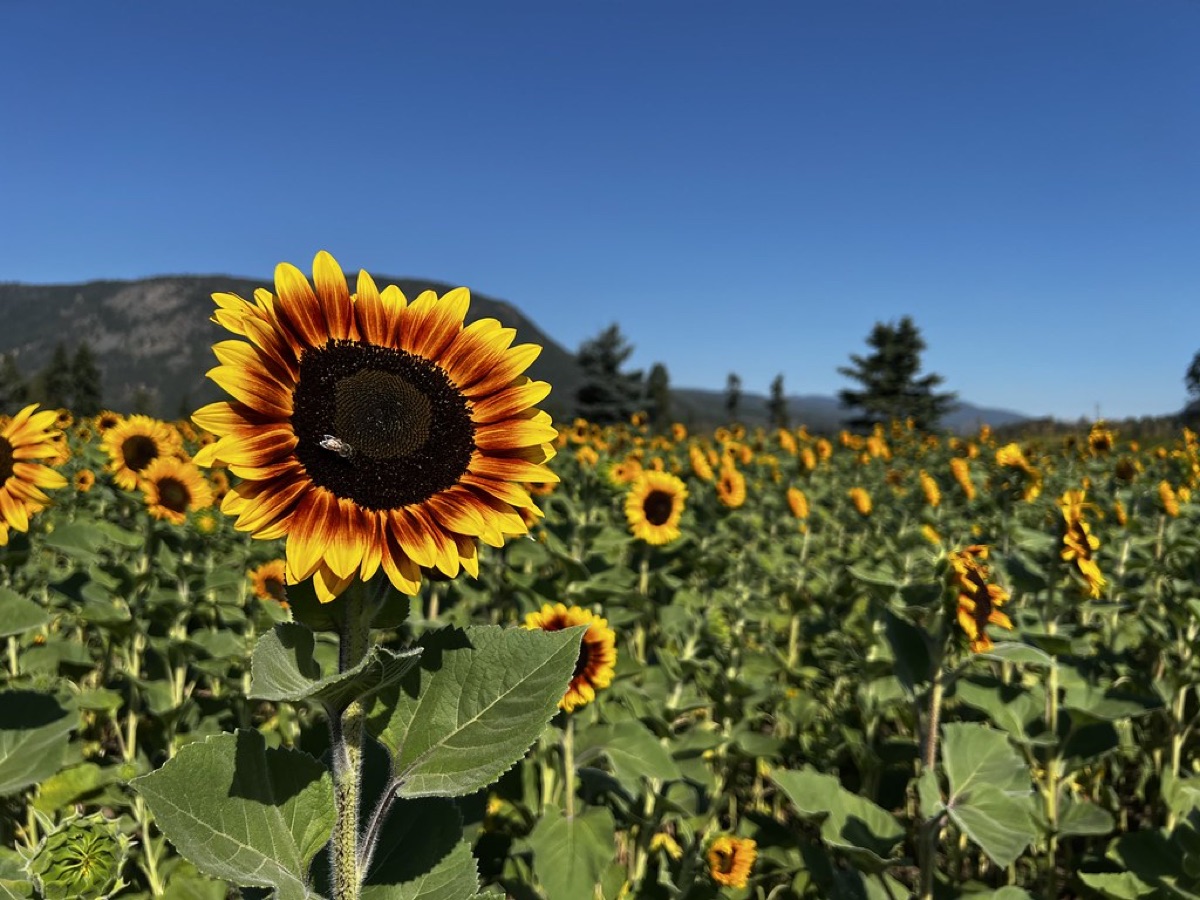
Beyond the bloom: Harvesting, post-harvest, and utilization
The air in the late summer of 2026 was thick with the scent of drying stalks and the hum of bees. I watched a farmer tilt a heavy, nodding head, checking the ripeness of the seeds by the way the petals had fallen and the back of the head had turned golden-brown.
Harvest timing is a delicate balance between waiting for full seed maturity and avoiding the risk of weather damage. For ornamental growers, the harvest might happen at the peak of bloom, but for agricultural purposes, the timing is determined by the moisture content of the seeds.
The primary driver for large-scale sunflower cultivation is the seed oil. Commercially available sunflower varieties contain between 39% and 49% oil in the seed. This high oil content makes them a global powerhouse in the vegetable oil market.
In fact, sunflowers account for approximately 14% of the world's production of seed oils and about 7% of the oilcake and meal produced from oilseeds.
Beyond the oil, the seeds themselves are a staple for both human consumption and bird feed, while the ornamental flowers provide significant value in the floral industry.
The transition from a living flower to a harvested product requires careful handling to maintain the integrity of the seeds and the quality of the oil.
As we look toward the future of growing, we must consider how to scale these processes for different environments.
Advanced cultivation insights
I sat on the edge of a tractor seat in the late afternoon of 2025, looking out over a field that stretched toward the horizon, wondering how the genetics of these plants had been so precisely tuned over centuries of selective breeding.
For advanced growers, environmental variables are the primary levers of success. Temperature thresholds are critical; while sunflowers love heat, extreme heat during the flowering stage can lead to poor seed set.
In large-scale operations, much of the North American sunflower seed is still produced in the North and South Dakota and Minnesota regions, where the climate provides the necessary seasonal cues.
Scaling up requires a different mindset than container gardening. In large fields, mechanical harvesting and automated irrigation are standard.
In these environments, yield optimization strategies focus on "population density"—ensuring that the 45 cm spacing is maintained perfectly to prevent overcrowding, which can lead to smaller heads and lower oil content.
Whether you are growing a single pot on a balcony or managing hundreds of acres, the fundamental biological needs of the sunflower remain the same.
| Feature | Ornamental Use | Agricultural Use |
|---|---|---|
| Primary Goal | Visual Beauty/Bloom Size | Seed/Oil Yield |
| Harvest Timing | Peak Bloom/Bud Stage | Full Seed Maturity |
| Spacing | Wider for individual display | Tighter for maximum density |
| Variety Type | Decorative/Branching | High-Oil/Non-branching |
#

Comments 0