Growing Lavender: 100 Days to Aromatic Bloom Potential
"The scent of lavender is not a single note, but a complex orchestra of chemistry that captures the essence of a Mediterranean summer."
Lavender is far more than a simple purple bloom in a garden; it is a sophisticated aromatic profile driven by a precise balance of volatile organic compounds.
Understanding its scent requires looking past the floral sweetness to the sharp, camphoraceous, and herbal undertones that define its identity.
Key Takeaways * Lavender's aroma is a complex blend of chemical compounds, dominated by high concentrations of Eucalyptol and various terpenes. * The plant is a hardy, evergreen shrub with specific morphological traits, such as narrow leaves and spiked flower heads.
* Its versatile profile makes it a staple in both horticultural design and traditional aromatherapy.
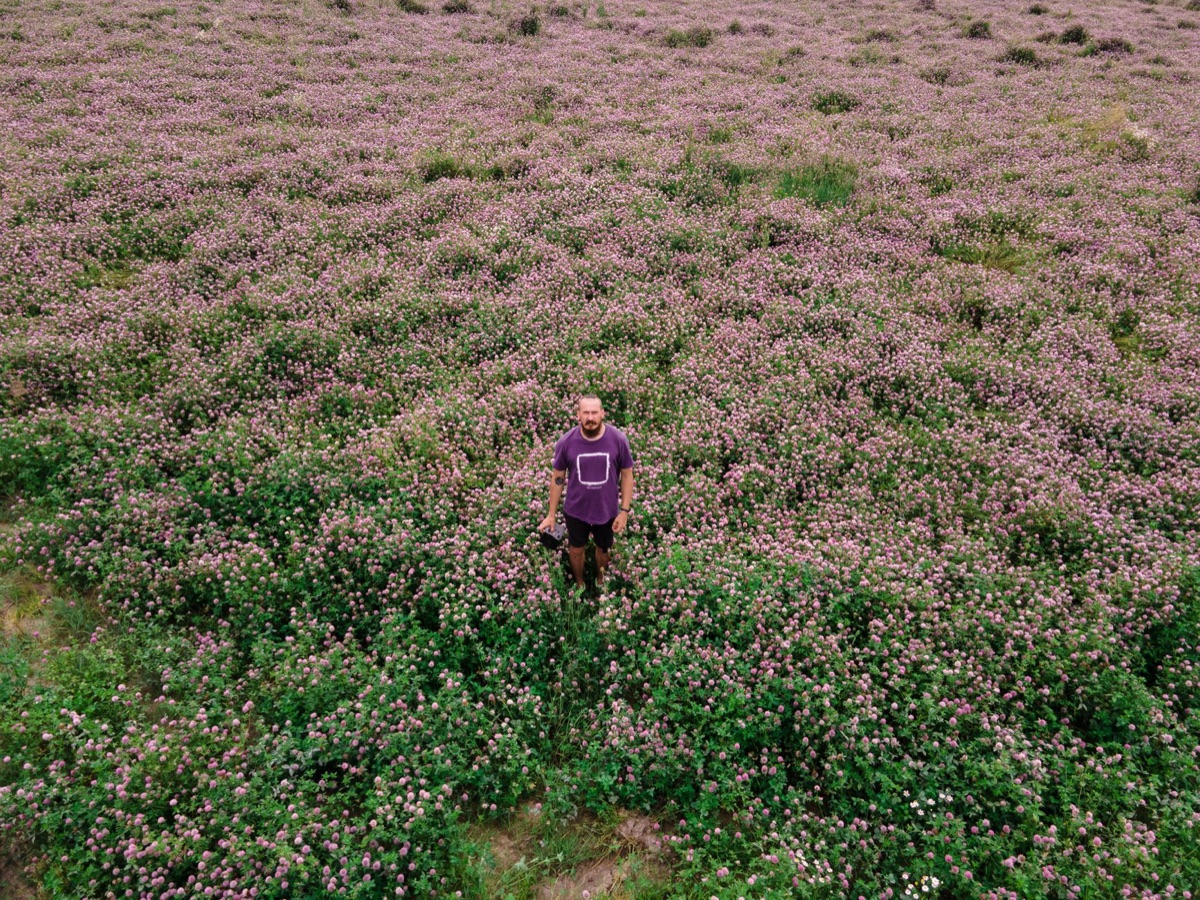
What exactly is lavender and how does it look? I remember walking through a nursery in early spring 2025, where the sharp, medicinal tang of lavender hit me long before I saw a single purple petal. It wasn't the soft, powdery scent I expected, but something much more vibrant and alive.
The genus *Lavandula* contains many species, but one of the most distinct is *Lavandula latifolia*, often known as broad-leaved lavender. This species is a strongly aromatic shrub that typically grows to a height of 30–80 cm.
Its foliage is evergreen, featuring leaves that are 3–6 cm long and 5–8 mm broad, providing a consistent texture to any landscape. The flowering structure is equally specific. The flowers appear as pale lilac blossoms, produced on spikes that measure 2–5 cm in length.
These spikes sit atop slender, leafless stems that can reach heights of 20–50 cm.
If you are starting from seed, patience is required; English lavender typically has a germination process lasting 14–28 days and matures within 100–110 days. As these plants grow, their physical structure dictates how the scent is released into the air.
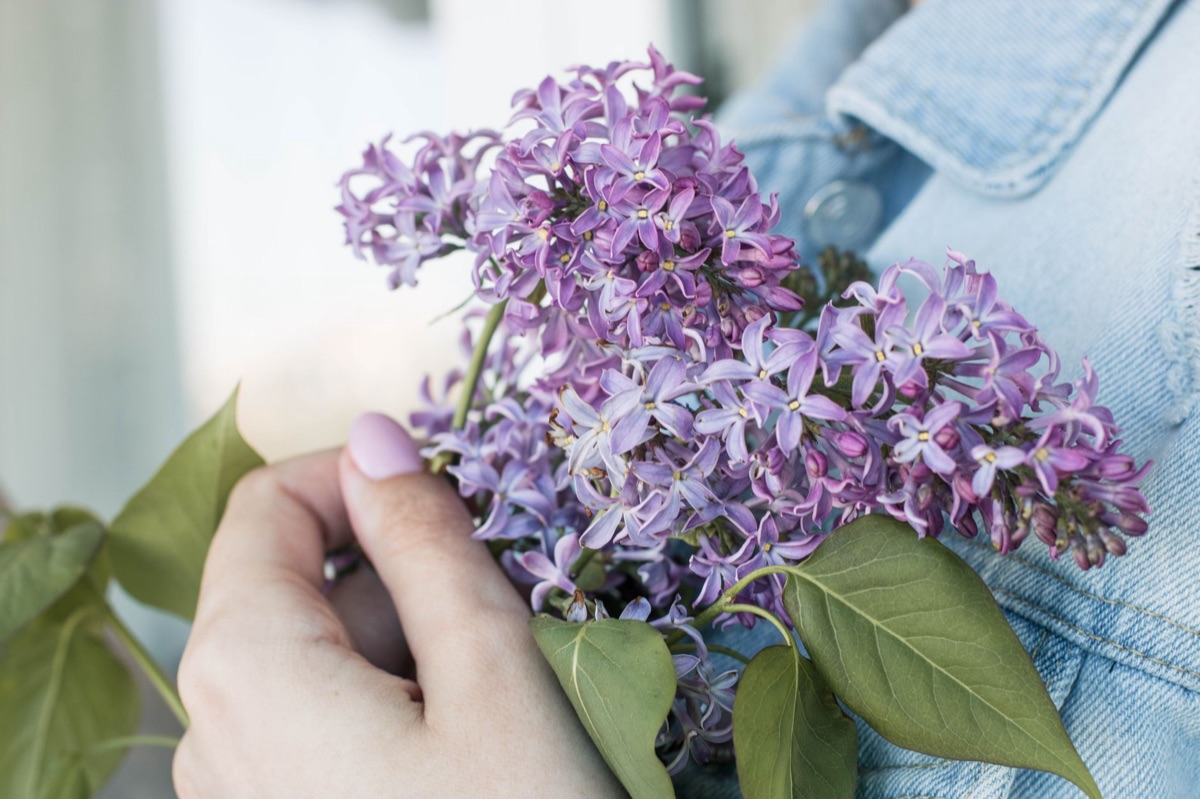
What makes up the scent of lavender? Standing in a sun-drenched field, you might notice that the scent changes depending on whether you are brushing against the leaves or leaning into the flower spikes. This variation is entirely due to the shifting concentrations of volatile oils.
The "perfume" of lavender is actually a chemical fingerprint. In *Lavandula latifolia*, the aromatic profile is heavily influenced by high levels of Eucalyptol, which makes up 28.0–34.9% of its composition. This compound provides that sharp, clearing, almost camphor-like top note.
Other significant contributors include Camphor (10.8–23.2%) and Borneol (0.9–3.6%). The complexity of the scent is further built by a delicate balance of terpenes. You will find α-Pinene, β-Pinene (0.8–2.6%), and Caryophyllene (0.5–1.9%) working together to create the herbal, woody undertones.
Smaller amounts of Camphene (0.4–0.6%) and Limonene (0.2–0.9%) add subtle nuances that prevent the scent from being one-dimensional. Because these compounds are so volatile, they evaporate easily, which is why the scent is so immediate and powerful.
This chemical makeup is precisely why *Lavandula latifolia* is frequently used in aromatherapy. But how do you actually manage this living chemistry in your own garden?
The Life Cycle: Growing and Harvesting Lavender
I once attempted to grow a patch of lavender in a shaded corner of my backyard in the summer of 2025, only to realize that the plant's scent was almost non-existent compared to my neighbor's sun-soaked garden. It was a lesson in how environment dictates aroma.
To achieve that potent, signature scent, lavender requires specific conditions. While growth habits vary by species, most lavender thrives in well-drained soil and significant sunlight.
The life cycle begins with a relatively slow start; after the initial 14–28 day germination period, the plant takes roughly 100–110 days to reach a mature stage.
The flowering stage is the most rewarding period for any gardener. The pale lilac flowers emerge on their 2–5 cm spikes, signaling the peak of aromatic intensity. During this time, the plant is at its most fragrant, as the volatile oils are most active in the bloom.
To successfully cultivate and harvest this scent, follow these steps:
- Site Selection: Choose a spot with full sun and gravelly, well-draining soil to prevent root rot.
- Planting: Space plants at least 30–60 cm apart to allow for air circulation and growth.
- Pruning: Lightly prune the stems after the flowering season to prevent the center of the shrub from becoming too woody.
- Harvesting: Harvest the spikes in the mid-morning when the oil concentration is at its peak, but before the heat of the day causes excessive evaporation.
Proper maintenance, including pruning, helps maintain the plant's health and ensures a regular supply of fragrant blooms. While the biology is fascinating, the cultural impact is just as deep.
| Feature | Description |
|---|---|
| Plant Type and | Strongly aromatic, evergreen shrub |
| Leaf Dimensions | 3–6 cm long, 5–8 mm broad |
| Stem Height | 20–50 cm |
| Flower Spike Length | 2–5 cm |
| Growth Height | 30–80 cm |
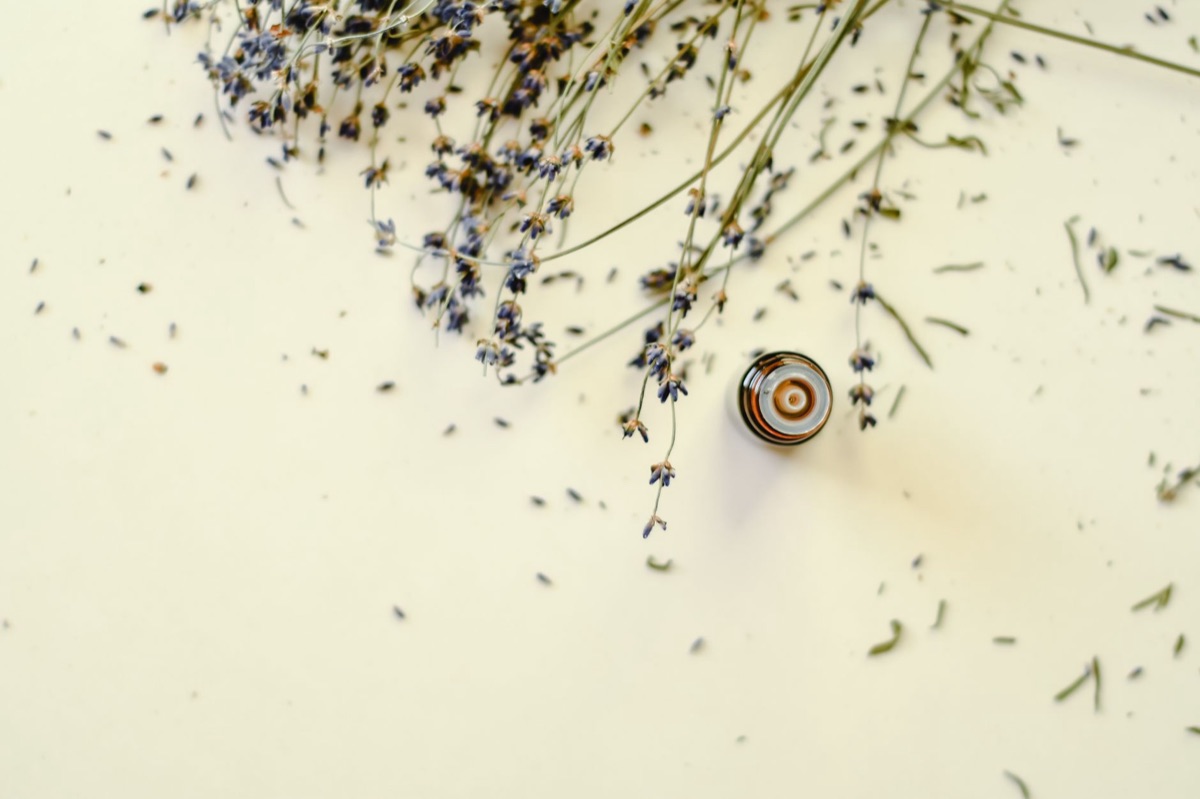
Beyond the Bloom: Cultural and Traditional Uses
In the historic villages of Provence, the scent of lavender is woven into the very fabric of daily life, from the linens drying in the sun to the local markets.
Historically, the plant has been integrated into various regional practices due to its versatile oils. In aromatherapy, the specific chemical profile—particularly the high Eucalyptol content—is utilized for its calming and clearing properties.
Beyond its scent, its horticultural value makes it a staple in Mediterranean-style garden design, where its evergreen leaves provide year-round structure.
While lavender is widely used, it is important to remember that its high concentration of essential oils makes it a potent substance. It is best used as a topical or atmospheric element rather than for consumption.
Limitations and Trade-offs It is important to note that the chemical intensity of certain species can be overwhelming. For instance, the high camphor and eucalyptol levels make it less suitable for delicate floral blends and can be too medicinal for some personal preferences.
Additionally, while it thrives in heat, it is not drought-proof and requires consistent monitoring during its first growing season.
Safety Note: Always be mindful of high-concentration essential oils around children and pets, as their sensitivity to volatile compounds can differ from adults.

Comments 0