May to July: Discovering Hydrangea's Subtle Aromatic Secrets
"The morning air, thick with dew, brushes against the petals, signaling a change in the season."
Hydrangeas captivate us with their vibrant colors, but their subtle, delicate scents can entirely transform the atmosphere of a room. By exploring their chemical makeup and looking through the lens of professional fragrance notes, we can understand why these blooms are so enchanting.
* Characteristics: Striking colors contrasted by subtle, clean scents. * Blooming Season: Early summer (May through July). * Difficulty: Intermediate (Success relies on managing humidity and soil).
| Feature | Details |
|---|---|
| Scientific Name | *Hydrangea macrophylla* (for common bigleaf varieties) |
| Family | Hydrangeaceae |
| Origin | Asia (Japan, China, etc.) |
| Symbolism | Heartfelt emotion, sincerity, or fickleness |
| Blooming Season | May to July |
| Height | Approximately 1 to 5 feet (varies by cultivar) |
| Sunlight/Water | Partial shade / High water requirements |
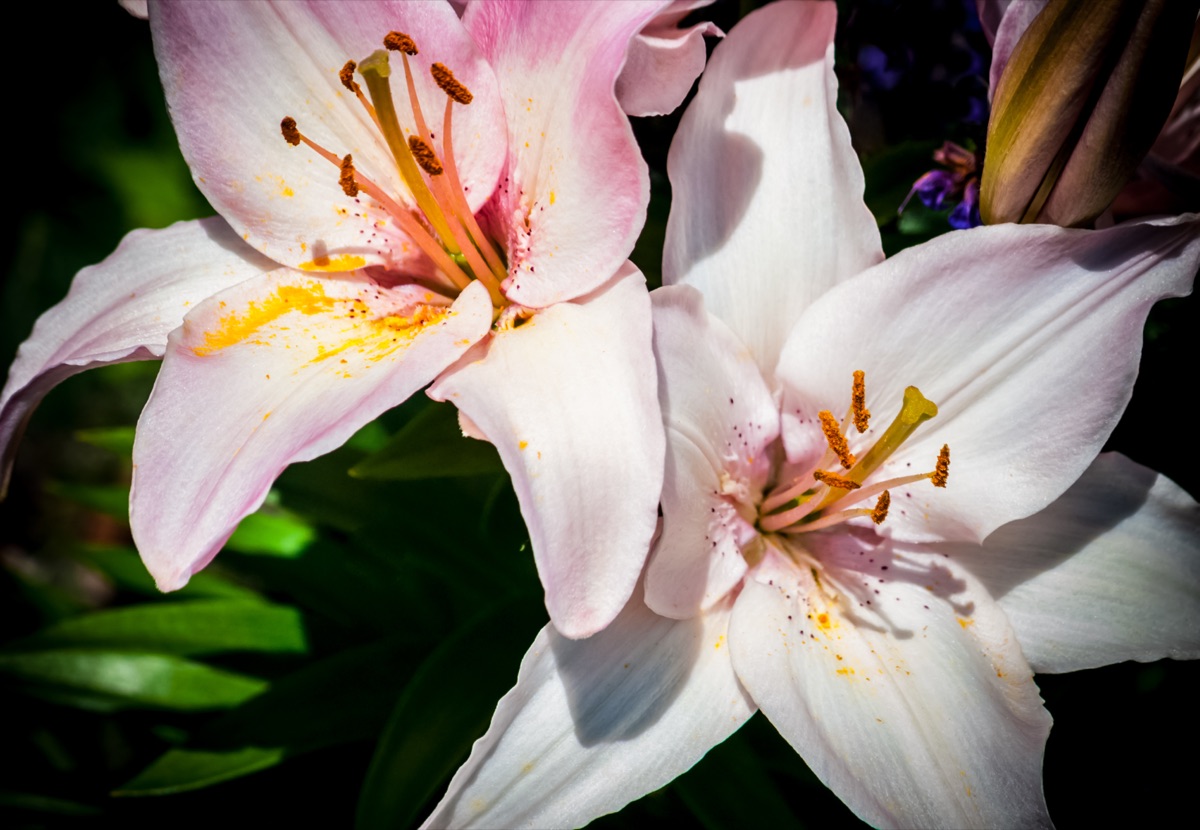
Why does hydrangea scent feel so unique?
Standing in a quiet corner of a garden at 6:00 AM, the air is heavy with moisture. A large hydrangea bush arches over the path, its heavy heads nodding slightly in the breeze.
When you lean in close, you don't hit a wall of perfume; instead, you encounter something that smells like fresh linen or damp, green leaves in a shaded forest.
The scent of a hydrangea isn't dominated by a single overwhelming chemical, but rather a harmonious blend of microscopic molecules. While they aren't as pungent as roses, their "clean" quality makes them distinct.
Some varieties carry a hint of sweet fruit, while others lean toward a bitter, leafy freshness. This variation is driven by the plant's biology and its growing environment.
The essence of the scent lies in the balance between volatile organic compounds called terpenes and esters, which provide that characteristic floral lightness. To understand this better, we can look at how perfume houses categorize these layers.
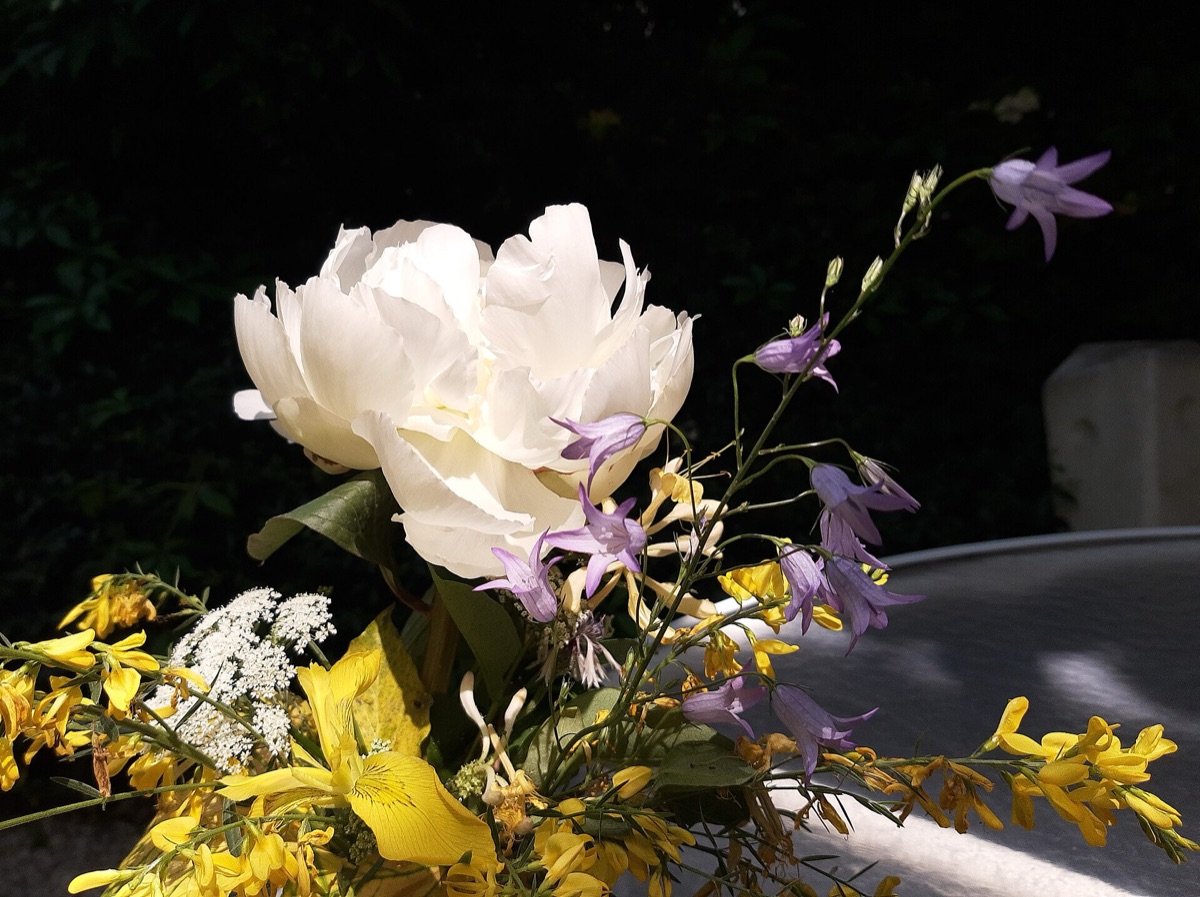
How do hydrangea scents break down into notes?
Perfumers organize scents into three distinct layers: top, middle, and base notes. Applying this framework helps clarify the complex personality of a hydrangea bloom.
1. Top Note: The Initial Freshness The first thing you notice when leaning toward a bloom is a light, airy quality. This might manifest as a citrus-like brightness or a sharp, "green" note. This is the layer most prominent during the early morning when dew is still present.
2. Middle Note: The Heart of the Flower As the initial sharpness fades, the true identity of the flower emerges. This is a soft, floral, and slightly powdery scent. This middle layer is where the elegant, cozy atmosphere of the hydrangea truly lives.
3. Base Note: The Lingering Trail This is the scent that remains as the flower begins to fade or as the aroma drifts through a room. Unlike heavy musks, hydrangeas leave a clean, light trail, often reminiscent of damp earth or soft wood.
| Scent Stage | Primary Characteristic | Hydrangea Experience |
|---|---|---|
| Top Note | Highly volatile; creates the first impression | Fresh greenery, light citrus |
| Middle Note | The heart; lasts the longest | Elegant floral, soft powder |
| Base Note | Heavier; stays on the skin or in the air | Clean residue, subtle earthiness |
How do different varieties change the scent?
Walking through a nursery filled with blooming hydrangeas, you might notice that some flowers are nearly scentless while others offer a subtle sweetness. This is because different cultivars have entirely different aromatic profiles.
The Clemoneas Style Certain hydrangea varieties possess a much more pronounced fragrance than others. These often have thinner, more delicate petals that carry a hint of fruity sweetness in their middle notes. This is often an evolutionary trait to attract specific pollinators.
Panicle Hydrangeas Unlike the round, traditional mophead varieties, panicle hydrangeas grow in cone shapes. Their scent is often very faint or non-existent. Instead, they rely on a strong "green note" from their leaves and stems, prioritizing structural beauty over heavy perfume.
Annabelle Hydrangeas (*Hydrangea arborescens*) With their massive white blooms, Annabelle hydrangeas offer an incredibly clean, pure scent.
In the fragrance industry, this is often categorized as a "clean" profile, making them a favorite for those who prefer natural, non-synthetic-feeling aromas.
How to grow and maintain hydrangea scents
I remember placing a large pot of hydrangeas on my back patio last summer. Every time I watered them, the scent of wet earth mixing with the floral notes created a sense of immediate calm. The strength of a hydrangea's scent is a direct reflection of its overall health.
1. Balancing Light and Moisture As the name *Hydrangea* suggests, these plants are thirsty. If the plant is dehydrated, it will struggle to produce the volatile compounds that create its scent.
However, too much direct, midday sun can scorch the petals, causing the scent to vanish as the flower wilts. Aim for partial shade and consistent moisture.
2. Soil Acidity and Aroma Just as soil acidity changes the color of the petals, subtle nutrient levels can affect the bloom's energy. Rich, organic soil helps the plant produce more robust flowers, which in turn supports a more complex scent profile.
3. Monthly Care Guide * Spring (March–May): This is the growth phase. Use a balanced fertilizer to encourage strong flower bud development. * Summer (June–August): The blooming peak. Focus heavily on watering. Deadhead spent blooms to encourage further growth.
* Fall (September–November): Preparation for dormancy. Apply mulch around the base to protect the roots. * Winter (December–February): Dormancy period. Protect sensitive varieties from deep freezes by moving them to a sheltered area.
[Hydrangea Health Checklist] 1. Check Leaf Turgidity: If leaves are drooping, provide immediate water. 2. Verify Drainage: While they love water, they hate "wet feet." Ensure your pots have excellent drainage. 3.
Pruning: Prune at the appropriate time after flowering to ensure buds for the following year. 4. Monitor Pests: Watch for aphids or spider mites, which can rapidly sap the life and scent from a bloom.
Solving common health and pest problems
Sometimes, a gardener might notice a sudden change—the colors look dull, or the fragrance seems to have vanished. This is often a distress signal from the plant.
Symptom: No flowers or weak scent * Cause: This often happens due to improper pruning timing or damage to flower buds during a late spring frost. * *Action*: Always research your specific variety's blooming cycle before pruning, and ensure winter protection is adequate.
Symptom: Yellowing leaves and wilting flowers * Cause: This is typically caused by root rot from overwatering or significant nutrient deficiencies. * *Action*: Repot into well-draining soil or adjust your watering schedule to allow the roots to breathe.
Symptom: White powdery coating or insect presence * Cause: Poor air circulation can lead to powdery mildew, while high humidity might attract aphids. * *Action*: Move the plant to a breezier spot and use organic fungicides or insecticidal soaps at the first sign of trouble.
The cultural symbolism of hydrangeas
In classic paintings, you might spot a hydrangea tucked into a corner of a still life. Some artists use their vibrant colors to celebrate life, while others use their shifting hues to symbolize the complexity of human emotion.
The Duality of Meaning Because hydrangeas change color based on soil chemistry, they are often associated with "fickleness" or "changing hearts." However, this is also interpreted as a symbol of deep sincerity and adaptability—the ability to change while remaining beautiful.
Myth and History In many Eastern cultures, hydrangeas are symbols of elegance and grace. In Japan, they are closely tied to the rainy season, serving as a natural herald for the arrival of summer rains. This history makes them more than just a plant; they are a seasonal messenger.
How to enjoy hydrangeas in your daily life
Hydrangeas offer more than just garden beauty; they are versatile elements for home styling and thoughtful gifting.
1. Interior Styling Because of their large, voluminous heads, hydrangeas act as natural centerpieces. Placing them in a low, wide vase makes for a perfect dining table arrangement. Using clear glass vases helps emphasize their fresh, watery aesthetic.
2. The Art of Gifting When gifting hydrangeas, keep their symbolism in mind. If you want to express "sincerity," they are a romantic and meaningful choice. If giving cut flowers, ensure they are well-hydrated, as they wilt quickly without a steady water source.
3. Landscape Design Hydrangeas pair beautifully with other plants. Their lush green foliage provides a perfect backdrop for white or purple flowers, creating a high-contrast, professional-looking garden bed.

Comments 0