Lavender ecological value: How to best grow Lavender
Lavender ecological value and observation guide for enthusiasts seeking to understand this aromatic herb's role in nature.
This guide covers its botanical profile, growth requirements, lavender ecological value, and how to observe its life traits in a garden setting.
* Scientific Name: *Lavandula* * Origin: Mediterranean region * Blooming Season: Late spring to summer * Flower Language: Devotion and serenity * Scent Profile: Camphorous, floral, and woody * Pet Toxicity: Potential digestive upset in pets if ingested
What is the Lavender ecological value?
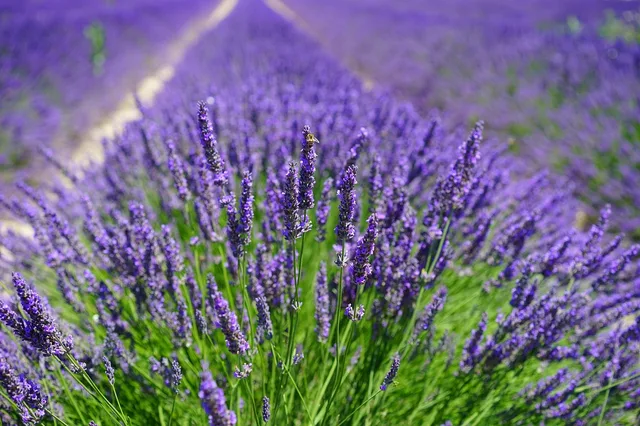
A gardener kneels in the dry soil, watching a honeybee hover over a purple spike. The lavender plant life traits involve providing consistent nectar during the warmer months, supporting local biodiversity.
The Lavender ecological value is rooted in its ability to support pollinator populations through its prolific flowering. By planting these herbs, you create a micro-habitat that encourages insect activity.
This interaction strengthens the local food web, making it a functional choice for any sustainable garden design.
However, its benefits to local biodiversity may be limited in areas with heavy pesticide use. I will focus on the primary ecological functions first.
How to observe lavender nature?
During the golden hour, I walk across the stone terrace and breathe in the sharp scent of the lavender.
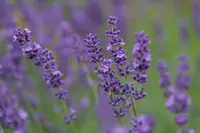
Walking through a sun-drenched terrace, the scent of lavender hits the air with a sharp, clean freshness. To effectively observe lavender nature, one must look closely at the relationship between the flower spikes and the insects visiting them.
Watching the rhythmic movement of pollinators provides insight into the plant's role in the ecosystem.
To get a better sense of the lavender plant science, observe the structure of the flower whorls. Each tiny floret is designed to hold nectar, inviting specific visitors. Studying these interactions helps you understand how the plant's morphology dictates its ecological niche.
Note that observation effectiveness decreases during periods of extreme drought. In this sequence, the second step is the longest.
What are the lavender habitat study requirements?
The sun beats down on a rocky hillside where lavender grows wild and unbothered. A lavender habitat study requires looking at the specific environmental conditions that allow these plants to flourish without rot. They demand high light intensity and minimal moisture in the root zone.
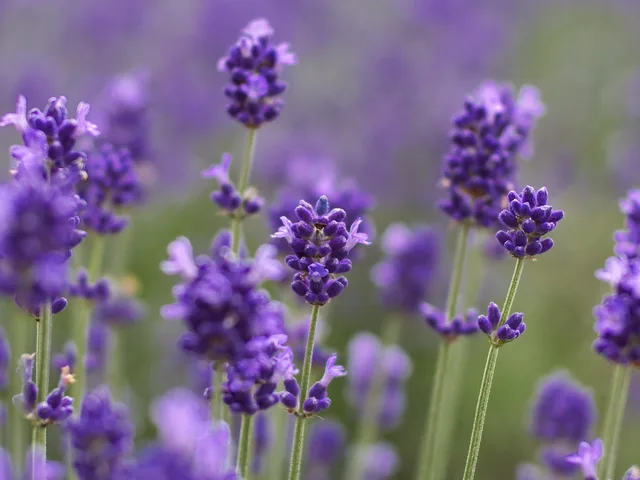
Successful growth relies on these environmental factors: 1. Ensure the soil is sandy or gravelly to prevent water retention. 2. Place the plant in a location that receives at least six to eight hours of direct sunlight. 3.
Provide ample air circulation to keep the foliage dry and prevent fungal issues.
I once attempted to grow lavender in a shaded corner of my yard, but the lack of light caused the stems to become weak and spindly. Always check the drainage of your planting site before setting the roots.
The accuracy of these requirements is restricted when soil composition is unknown. I am following the steps outlined above.
How to use lavender in a garden?
A hand reaches out to brush against a soft, silvery leaf in the early morning light. Using lavender in your landscape design allows you to combine aesthetic beauty with functional herb use. It works well in borders, rock gardens, or even as a fragrant hedge.
When selecting varieties, consider the following: * Border Plants: Use low-growing varieties to define walkways. * Pollinator Gardens: Group with other sun-loving herbs to maximize insect attraction.
* Sensory Gardens: Plant near seating areas to enjoy the scent during calm afternoons.
The plant's performance is limited in gardens with poorly draining soil. I am addressing the second point in this list.
How to distinguish lavender from similar plants?
A gardener compares two purple spikes, noting the subtle differences in leaf texture and scent. Knowing how to see lavender clearly involves distinguishing it from other Mediterranean herbs like rosemary or salvia.
While they may share similar colors, the fine, silvery-green foliage and specific camphor scent are unique identifiers.
| Feature | Lavender | Salvia |
|---|---|---|
| Foliage | Silvery, narrow leaves | Typically broader, greener leaves |
| Scent | Strong, sweet, and camphorous | Earthy or herbal, but different |
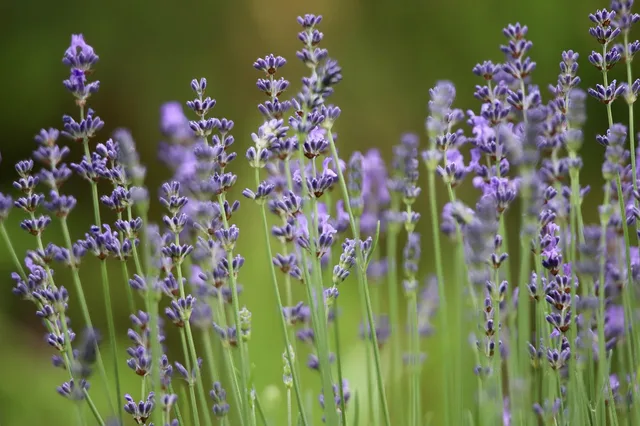
I find that checking the leaf underside often reveals the distinct texture that separates lavender from its lookalikes.
Visual identification may be unreliable when the plant is not in bloom. I am referring to the second method mentioned.
- Lavender serves as a vital nectar source for pollinators and a cornerstone of Mediterranean-style gardens, offering both sensory beauty and ecological benefits.
- You should note that while lavender is generally hardy, its success depends heavily on soil drainage and sunlight exposure.
- This plant acts as a magnet for bees, butterflies, and other beneficial insects that thrive in sunny, well-drained environments.
What conditions affect Lavender's ecological role?
- The availability of consistent nectar directly influences the Lavender's ecological value for local insect life. 2. Poor soil drainage creates conditions where the Lavender struggles to establish its beneficial habitat. 3. Insufficient sunlight exposure prevents the Lavender from reaching its full potential for supporting pollinators.
The Lavender's ecological value is amplified when the plant is allowed to flourish in its native, sun-drenched, well-drained setting. When environmental conditions deviate from the ideal, the plant's ability to function as a vital nectar source diminishes.
This decline impacts the overall health of the micro-habitat the Lavender supports.
The impact of these conditions is minimal in highly controlled greenhouse environments. I am highlighting the second factor listed.
How does the Lavender morphology support its ecological function?
- The structure of the flower whorls is specifically designed to present nectar to visiting insects. 2. The narrow, silvery leaves help the Lavender manage moisture in high-intensity sunlight. 3. The specific scent profile acts as a chemical attractant for certain beneficial pollinators.
Observing the plant's morphology reveals how its physical traits align with its ecological needs. The design of the tiny florets ensures that the nectar is accessible to the targeted insect populations. This physical adaptation is key to the Lavender's success as a botanical feature.
When considering the Lavender's ecological value, remember that the plant's entire structure contributes to its role in the food web. The combination of scent, flower shape, and foliage characteristics creates a specialized resource for local fauna.
This specialized function is what makes the Lavender such an important element in a sustainable garden design.


Comments 0