Lavender festival history: Best tips for viewing season
The lavender fields of Provence stretch toward the horizon in a sea of violet, a sight that has defined the identity of southern France for centuries.
The historical background of the Provence lavender festival is rooted in the region's long-standing agricultural tradition and the commercial evolution of essential oil production.
This cultural celebration emerged as a way to honor the seasonal bloom and the local heritage tied to the cultivation of this aromatic plant.
* The transition from subsistence farming to organized floral celebrations. * The role of lavender in the regional economy and cultural identity. * The evolution of seasonal blooms into large-scale public festivals.
How did lavender festivals start?
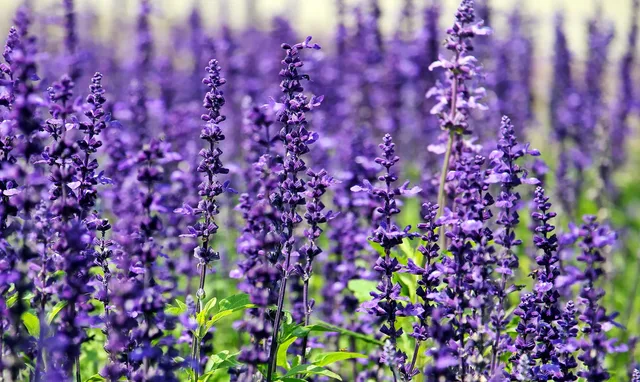
During the golden sunset, I walked through the dusty village streets while the sweet scent of lavender filled my lungs.
Walking through the narrow, sun-drenched streets of a Provençal village, one can almost smell the heavy, sweet scent of the purple blossoms drifting from the nearby hills.
This floral celebration roots in the necessity of the harvest, where local farmers once gathered to manage the seasonal cycles of the landscape.
The origins of these events are tied to the historical necessity of the harvest, as the blooming period signaled a crucial time for local agricultural workers. Over time, what began as a practical period of labor transformed into a structured way to showcase the beauty of the landscape to visitors.
Tracing flower festival growth reveals that these gatherings moved from simple local markets to organized events designed to celebrate the unique character of the Provence region.
These celebrations began as local community gatherings to honor the successful harvest and the aromatic bounty of the region.
What happened to the Provence bloom? Lavender festival history
Standing on a high ridge overlooking the Plateau de Valensole, the sight of endless purple rows under a bright midday sun feels like stepping into a living painting.
The Provence bloom past is characterized by the deep connection between the land and the people who have cultivated these fields for generations.
The history of the lavender event evolution is inseparable from the history of the region's soil and climate. Lavender was not merely a decorative plant but a vital component of the local economy, used for various practical purposes long before it became a tourist attraction.
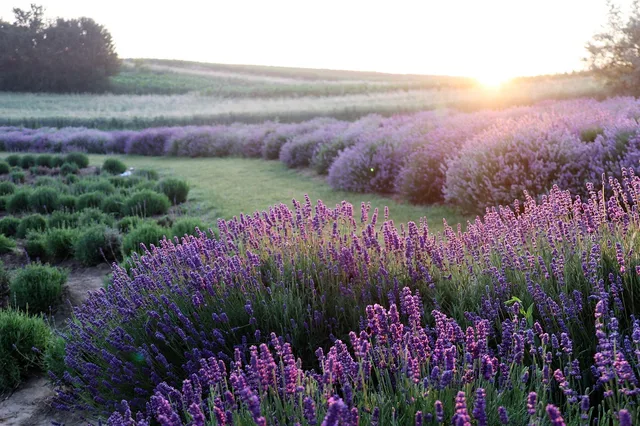
Understanding the flower festival origins requires recognizing that the lavender was once the lifeblood of many rural communities in southern France.
The historical blooming patterns in Provence were dictated by the natural cycle of the Mediterranean climate and seasonal rainfall.
How did the lavender festival shape its culture?
Navigating a crowded village square during the height of summer, I watched as locals and travelers alike gathered to witness the peak of the purple season. This lavender festival history is a testament to how a single botanical species can shape the social and economic fabric of an entire province.
The cultural significance of the plant helped drive the development of modern festivals, as the community sought to preserve its heritage. As the lavender industry grew, so did the desire to share the sensory experience of the bloom with the wider world.
This transition helped turn a seasonal agricultural milestone into a significant cultural landmark for France.
Over time, these festivals evolved from agricultural milestones into significant cultural events that preserve local traditions and craftsmanship.
Tracing flower festival growth through the years
Looking at an old photograph of a quiet, dusty road lined with wild lavender, one realizes how much the scale of these celebrations has changed. The evolution of these events reflects the broader changes in how people interact with the natural world and regional traditions.
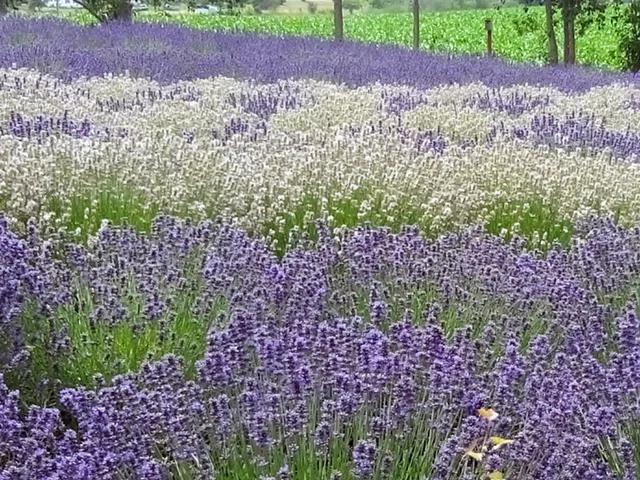
The growth of these festivals often followed the development of local infrastructure and the rise of regional tourism. What were once small-scale community gatherings became significant events that draw people from across the globe to witness the seasonal transformation of the landscape.
This progression highlights the enduring appeal of the lavender season.
As interest in botanical tourism increased, the scale of these festivals expanded from small village markets to large-scale regional attractions.
How to experience the lavender season
Approaching a field during the early morning hours, the dew on the purple spikes creates a shimmering effect that is unique to the summer months. To properly experience the history and beauty of the season, one should follow these steps:
- Research the specific blooming windows for the different sub-regions of Provence to ensure the flowers are at their peak. 2. Visit local markets during the festival period to observe the traditional ways lavender products are presented. 3. Walk through the designated viewing areas during the early morning or late afternoon to avoid the midday heat and see the colors most vividly.
After completing these steps, check the local weather and seasonal reports to confirm the current state of the bloom.
- Plan your visit during the peak summer months when the fields are in full purple bloom.
- Book local accommodations well in advance to ensure availability near the main festival sites.
- Arrive at the fields early in the morning to enjoy the scent and light before the midday heat.
Comparison of festival characteristics
| Feature | Traditional Harvest Period | Modern Lavender Festival |
|---|---|---|
| Primary Focus | Agricultural production | Cultural celebration |
| Main Participants | Local farmers | Tourists and locals |
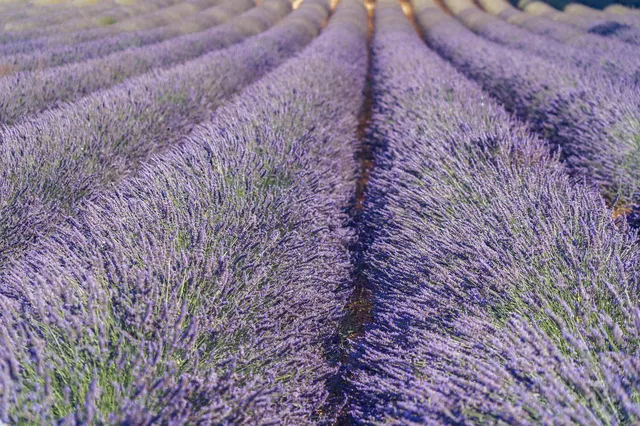
I found that comparing the quiet intensity of a working field to the lively atmosphere of a modern festival provides a deep appreciation for the region's change.
While some festivals focus on traditional folk music and dancing, others emphasize culinary arts and the production of essential oils.
Limitations of historical study
The specific dates for the very first organized lavender festival in Provence are not established through a single definitive historical record.
While the agricultural history is well-documented, the exact moment a harvest transitioned into a public festival remains a subject of regional tradition rather than a specific recorded event.
The subject here is Lavender festival history.
This part also covers Historical context of bloom events.
Related

Comments 0