Jasmine Flower scent history meaning why it is valued
"The fragrance of a flower is a silent bridge between the earthly soil and the divine presence of antiquity."
The history and meaning of flower scent are found in the ritualistic and economic importance of aromatic blooms, particularly within the historical context of Karnataka. This exploration focuses on the cultural significance of jasmine, its botanical characteristics, and its role in religious worship.
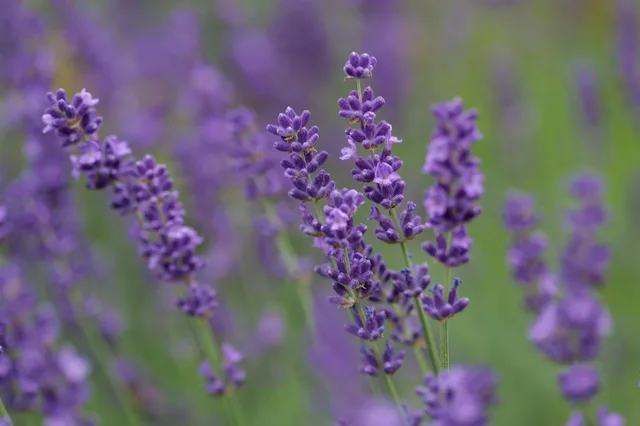
Key takeaways include the historical use of jasmine in Hampi, the specific essential oil recovery rates, and the botanical structure of the plant.
How does flower scent history meaning manifest in tradition?
A farmer in Hadagali carefully harvests white blossoms as the morning sun touches the Tungabhadra River. This historical connection shows how aromatic plants served more than just aesthetic purposes; they were vital for spiritual offerings.
During the reign of King Sri Krishnadevaraya, jasmine flowers were transported via the Tungabhadra River to Hampi, a UNESCO World Heritage site. These flowers were used specifically for the worship of Lord Virupaksheshwara, the main deity of the Vijayanagara Kingdom.
This practice illustrates the deep-seated role of floral aromas in connecting local agriculture to sacred royal traditions.
What defines jasmine's aroma beyond its significance?
The scent of a petal is felt as a heavy, sweet weight in the humid air of a tropical garden. Understanding the aroma past significance requires looking at the chemical richness found within the plant's structure.
The flowers are highly scented and possess a good essential oil recovery ranging from 0.24 to 0.42%. This concentration of oil explains why the scent has been valued for centuries. Such high scent potency ensures that the fragrance remains a dominant sensory experience during ritual use.
What does smell history mean in botanical terms?
A researcher examines a small, bushy plant, noting the light green leaves with a yellowish shade. To understand the smell history meaning, one must observe the physical components that house the fragrance.
The botanical structure includes a corolla tube that is slightly pinkish and approximately 1.5 cm (0.59 in) long. The petals are pure white, with lobes that are oblong to sub-orbicular and 5–9 mm broad.
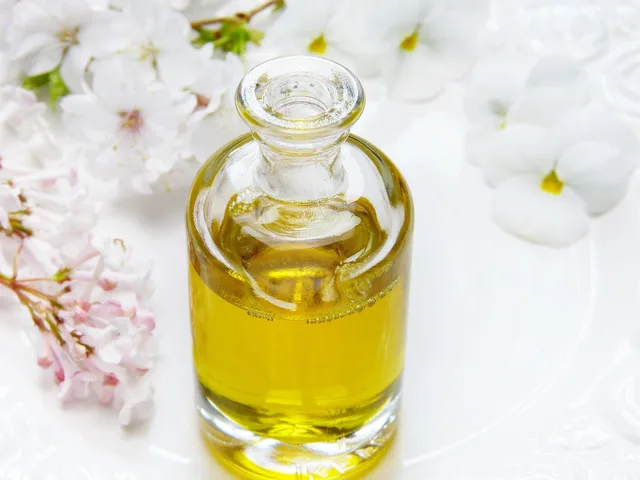
These specific physical traits, combined with the long corolla tube of around 1 cm (0.39 in), contribute to the plant's distinctive olfactory profile.
How did flower smells change through legal recognition?
A legal official reviews documents regarding regional agricultural protections in a quiet office. The floral scent old use transitioned from purely traditional to formally protected under modern intellectual property frameworks.
The Union Ministry of Commerce has historically overseen aspects of the trade related to these valuable floral scents.
In September 2007, an expert committee headed by the Controller-General of Patents, Design and Trade Marks attached to the Union Ministry of Commerce and Industry, India, approved the GI patent for three varieties of jasmine.
This recognition by the Registrar of GI highlights the economic and cultural value of these specific scented varieties.
What is the scent's historical role in regional production?
A worker moves through a vast field of greenery, where the soil feels rich and damp underfoot. The scent's historical role is deeply tied to the specific environmental conditions of the Karnataka region.
The suitability for growing these highly scented crops is driven by laterite soil, high humidity, and heavy rainfall exceeding 2,500–3,000 mm (98–118 in) per annum. Since the 18th century, Karnataka has been prominent in floriculture.
Currently, the region accounts for 75% of India's total flower production.
Comparing Jasmine Characteristics
A gardener compares two different specimens of jasmine to ensure the highest quality for oil recovery.
| Feature | Measurement/Value |
|---|---|
| Essential Oil Recovery | 0.24 to 0.42% |
| Berry Diameter | About 1 cm (0.39 in) |
I observed how the essential oil recovery rate directly correlates with the intense scent profile of the white petals.
The specific growth requirements, such as heavy rainfall and specific soil types, mean these historical scent profiles are not established for all geographic locations.
- How does flower scent history meaning manifest in tradition?
- What defines the aroma past significance of jasmine?
- What is the smell history meaning in botanical terms?
The subject here is Flower scent history meaning.
This part also covers What is scent's deep meaning?.
This part also covers Past uses of sweet aromas.
Related
- Flower scent origin: Why plants use chemical signals guide
- Hydrangea scent and traits: Guide to best bloom growth
Can the fragrance be compared by its chemical concentration?
Comparing the scent potency involves evaluating the essential oil recovery rates. A higher concentration within the 0.24 to 0.42% range ensures a more dominant olfactory experience during religious rituals.
- Identify the botanical structure of the plant. 2. Locate the corolla tube and the white petals. 3. Measure the essential oil recovery to determine the scent intensity.
One must exercise caution when selecting sites for cultivation, as the specific scent profile depends on the presence of laterite soil and heavy rainfall. Without these exact environmental conditions, the historical fragrance profile may not be maintained.
Wikipedia: Jasmine in Karnataka Based on the retained excerpt mentioning Union Ministry of Commerce: An expert committee headed by the Controller-General of Patents, Design and Trade Marks attached to the Union Ministry of Commerce and Industry, India, who also act as the Registrar of GI approved the GI patent to the three flowers, varieties of jasmine, in September 2007.

Comments 0