Wildflower Scents: The Chemical Symphony of Survival
"A single breath of a meadow can tell the story of an entire season, told through the invisible language of scent."
The complex aroma of a wildflower is not a single note, but a moving symphony of chemical signals designed for survival. To truly understand these scents, one must look past the petals and into the volatile organic compounds that define their identity.
Key Takeaways * Wildflower scents are complex, multi-layered experiences shaped by ecological necessity rather than human aesthetic. * Understanding "notes" involves recognizing how different chemical compounds evaporate at different rates.
* The fragrance profile is a direct reflection of the plant's habitat, life cycle, and relationship with pollinators.
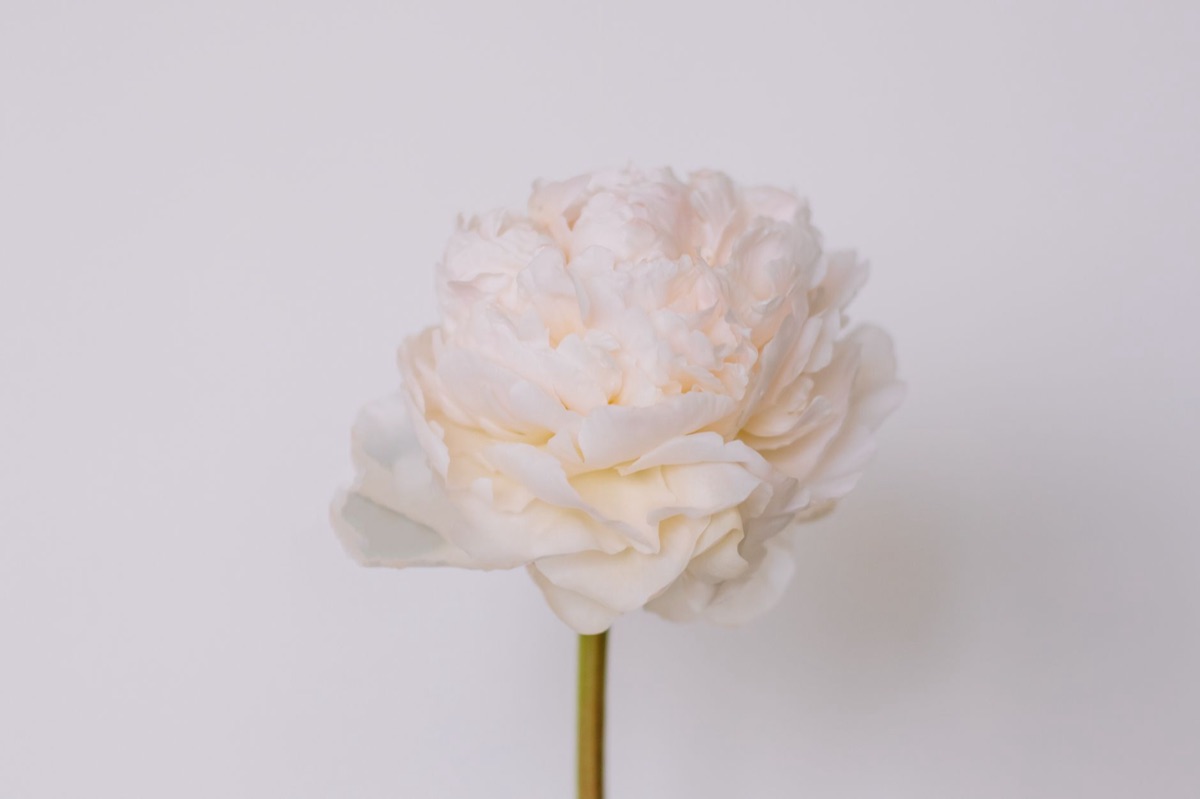
Why does this wildflower smell so unique? The sun hits the edge of a meadow in late June 2025, and as the warmth rises, the air becomes heavy with a scent that feels both sweet and sharp. You walk through the tall grass, and the aroma shifts every few steps as you move from a cluster of clover to a patch of wild mint.
Unlike the heavy, singular perfume of a cultivated rose bred specifically for its scent, a wildflower's aroma is often a collaborative effort. In a garden, a single cultivar might dominate the olfactory landscape.
In the wild, scents are often lighter, more nuanced, and designed to pierce through the "noise" of other plants. The chemical basis for this uniqueness lies in the interplay between the plant and its environment.
Local microclimates—the specific combination of soil minerals, humidity, and temperature—dictate how much volatile oil a plant produces. This is often referred to as the "terroir" of scent.
A wildflower growing in a dry, rocky hillside will produce a different chemical signature than the same species growing in a damp, shaded valley. Furthermore, the fragrance is not static. It evolves as the plant moves through its life cycle.
A tight bud might release sharp, green scents to signal its presence, while a fully opened bloom might transition into deeper, sweeter notes to attract specific pollinators.
But how do we actually break down these complex smells into something we can understand?
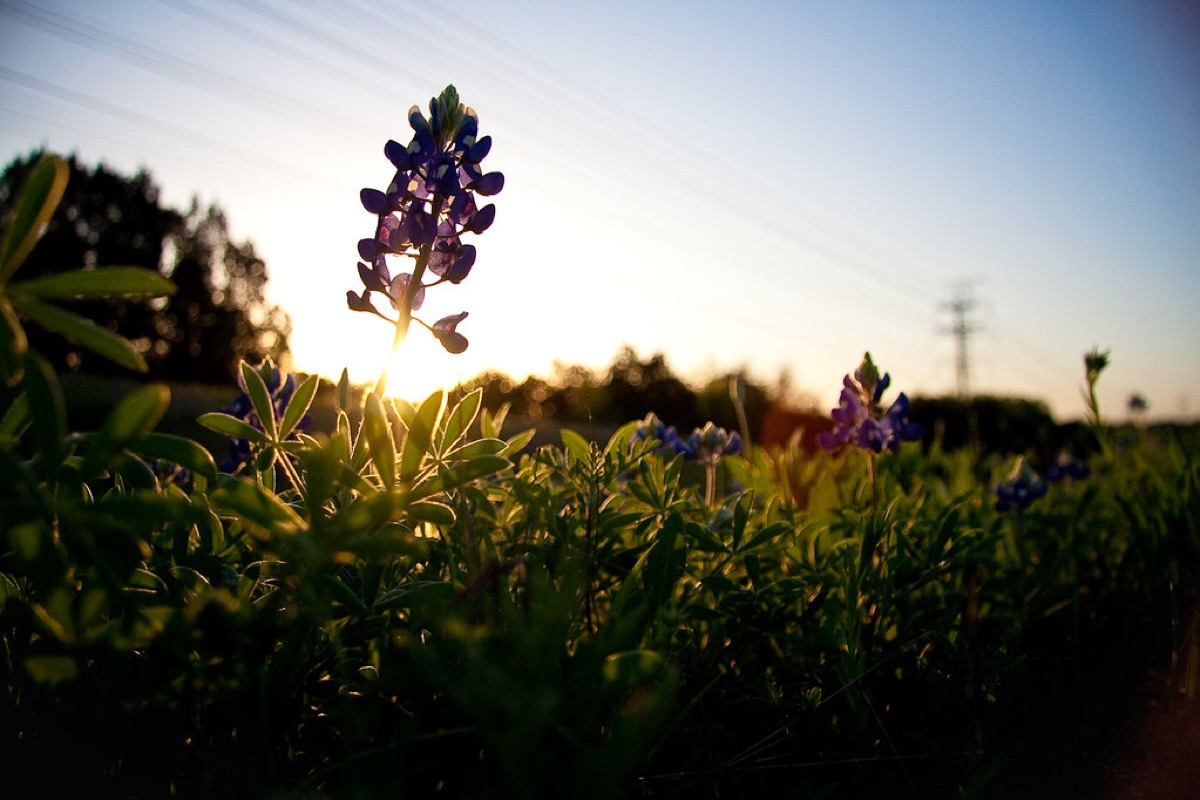
What are the notes behind this fragrance? I remember standing in a field of wild chamomile in the early morning of July 2025, leaning in so close that the tiny white petals brushed my cheek.
The first thing I noticed was a bright, apple-like snap that vanished almost instantly, followed by a warm, herbal warmth that seemed to linger in my throat.
To understand this transition, we can apply the concept of "fragrance notes," a system used in perfumery to categorize how scents hit our senses.
| Note Type | Character | Duration | Typical Wildflower Examples |
|---|---|---|---|
| Top Notes | Bright, sharp, citrusy, or green | Immediate, fleeting | Wild mint, citrus-scented shrubs |
| Heart Notes | Floral, spicy, or heavy green | The "soul" of the scent | Wild roses, honeysuckle, lavender |
| Base Notes | Earthy, woody, musky, or resinous | Long-lasting, heavy | Sandalwood-like roots, dried grasses |
Top Notes (The First Impression): These are the most volatile compounds. They are the first to hit your nose when you encounter a bloom. They are often "green" (smelling like crushed leaves) or bright and citrusy. These molecules are light and evaporate quickly.
Heart Notes (The Body): As the top notes fade, the heart notes emerge. This is the true character of the flower. These compounds are slightly heavier and form the core identity of the plant's scent, such as the sweet, heady aroma of a blooming lilac.
Base Notes (The Lingering Echo): These are the heaviest molecules. They don't just float in the air; they often cling to surfaces or emerge as the plant begins to dry or decay. In the wild, these might be earthy, mossy, or woody scents that ground the lighter floral notes.
Different plant families contribute distinct aromatic profiles. For instance, the Apiaceae family (which includes dill and fennel) often provides spicy, herbal notes, while the Asteraceae family (daisies and sunflowers) frequently offers more complex, resinous, or honey-like scents.
However, these scents aren't just for our enjoyment; they serve a much more urgent purpose.
The Ecology of Scent: Why Does It Smell That Way?
A honeybee hovers erratically above a cluster of bluebells, moving from one bell-shaped flower to the next in a rhythmic dance. The scent is not just a pleasant byproduct; it is a biological beacon.
The primary driver of wildflower fragrance is pollinator attraction. Evolution has fine-tuned these scents to act as specific signals.
A night-blooming jasmine produces a heavy, sweet scent that travels long distances in the cool night air to attract moths, while a bright, sunny wildflower might use a sharp, clean scent to guide bees.
Beyond attraction, scent serves a survival strategy. Some plants produce scents that mimic the pheromones of insects to trick them into pollination (pseudocopulation), while others use bitter or chemical scents to ward off herbivores.
The timing of these scents is also critical. The peak fragrance output is usually synchronized with the plant's most fertile period. This ensures that the energy spent producing volatile oils is most likely to result in successful pollination and seed production.
But what happens when we try to take that scent home with us?
From Field to Fragrance: The Art of Preservation
I once tried to press a handful of wild violets between the pages of an old botany book in the autumn of 2025, hoping to capture their essence. When I opened the book months later, the bright floral scent was gone, replaced by a faint, dusty, earthy aroma.
Preserving the scent of a wildflower is much more difficult than preserving its color. Because fragrance is tied to volatile oils, the process of drying or pressing can drastically alter the profile.
- Harvesting for Scent Study: To capture the most intense aroma, flowers should be harvested in the morning after the dew has evaporated but before the heat of the day causes the most volatile compounds to dissipate.
- Drying vs. Fresh Use: Drying a flower often strips away the light top notes, leaving behind the heavier heart and base notes. This is why dried lavender often smells deeper and more "woody" than fresh lavender.
- Companion Planting for Scent Synergy: If you are designing a garden to mimic a wild meadow, consider how scents will interact. Planting species with complementary notes—such as pairing a sharp, minty groundcover with a sweet, heavy-scented shrub—can create a layered olfactory landscape.
It is important to note that these preservation methods are not foolproof. Drying techniques that work for woody herbs may fail for delicate petals, and scent profiles will always change as the organic matter breaks down.
Beyond Scent: The Full Life Cycle of the Field Bloom
The physical structure of a flower is often designed to facilitate scent release. Some flowers have deep, narrow tubes that protect the scent-producing organs, while others have wide, open faces that allow the aroma to catch the wind easily.
The environmental needs of the plant also play a role. A plant that requires significant water and specific soil nutrients will often produce more robust, chemically complex scents than a plant struggling in poor conditions.
The "strength" of a scent is often a sign of a healthy, well-nourished specimen.
Historically, these scents have shaped human culture. From the use of wild rose oils in ancient cosmetics to the medicinal use of wild herbs, the connection between scent and human experience is as old as the flowers themselves.
#


Comments 0