90% of Plants Use Scent; A Biological Survival Tool
"A single breath of jasmine can transport a person across oceans of time, bridging the gap between ancient rituals and modern luxury."
The scent of a flower is much more than a pleasant coincidence; it is a biological necessity and a profound cultural language. For thousands of years, humans have been captivated by these invisible signals, using them to heal, to worship, and to define status.
Key Takeaways * Floral scents are evolutionary tools designed to ensure successful reproduction through biotic vectors. * The history of fragrance is intertwined with medicine, religious ritual, and social hierarchy.
* The physical structure of a flower, such as the length of its corolla tube, plays a vital role in how scent is dispersed. * Modern perfumery and aromatherapy continue to build upon these ancient olfactory connections.
How Did Scent Become Essential to Plant Reproduction?
A honeybee hovers over a field of wildflowers, its wings a blur of motion as it follows an invisible trail of chemical signals through the morning air. This dance is not accidental; it is the result of millions of years of biological fine-tuning.
In the natural world, scent serves as a primary communication tool. Approximately 90% of all living land plant species are angiosperms, the flowering plants that have mastered the art of using scent to attract specific partners.
This evolutionary strategy is essential because around 80% of flowering plants make use of biotic or living vectors, such as insects, birds, or bats, to facilitate pollination.
The diversity of these biological tools is staggering. Flowers range in size from tiny, almost microscopic structures of 0.1 mm (1⁄250 inch) to massive blooms that can reach 1 meter (3.3 ft) in diameter. This vast spectrum of size affects how scent is released and how it travels.
A tiny flower may require a very specific, concentrated scent to attract a small insect, while a massive flower might broadcast its presence over much greater distances.
Because these plants rely on living creatures to move pollen, the scent must be both recognizable and enticing. The chemical signatures produced by the flower act as a biological beacon, guiding the vector to the source.
This relationship is a delicate balance of chemistry and physics that ensures the survival of the species. But as humans began to interact with these blooms, the purpose of scent shifted from survival to something much more complex.
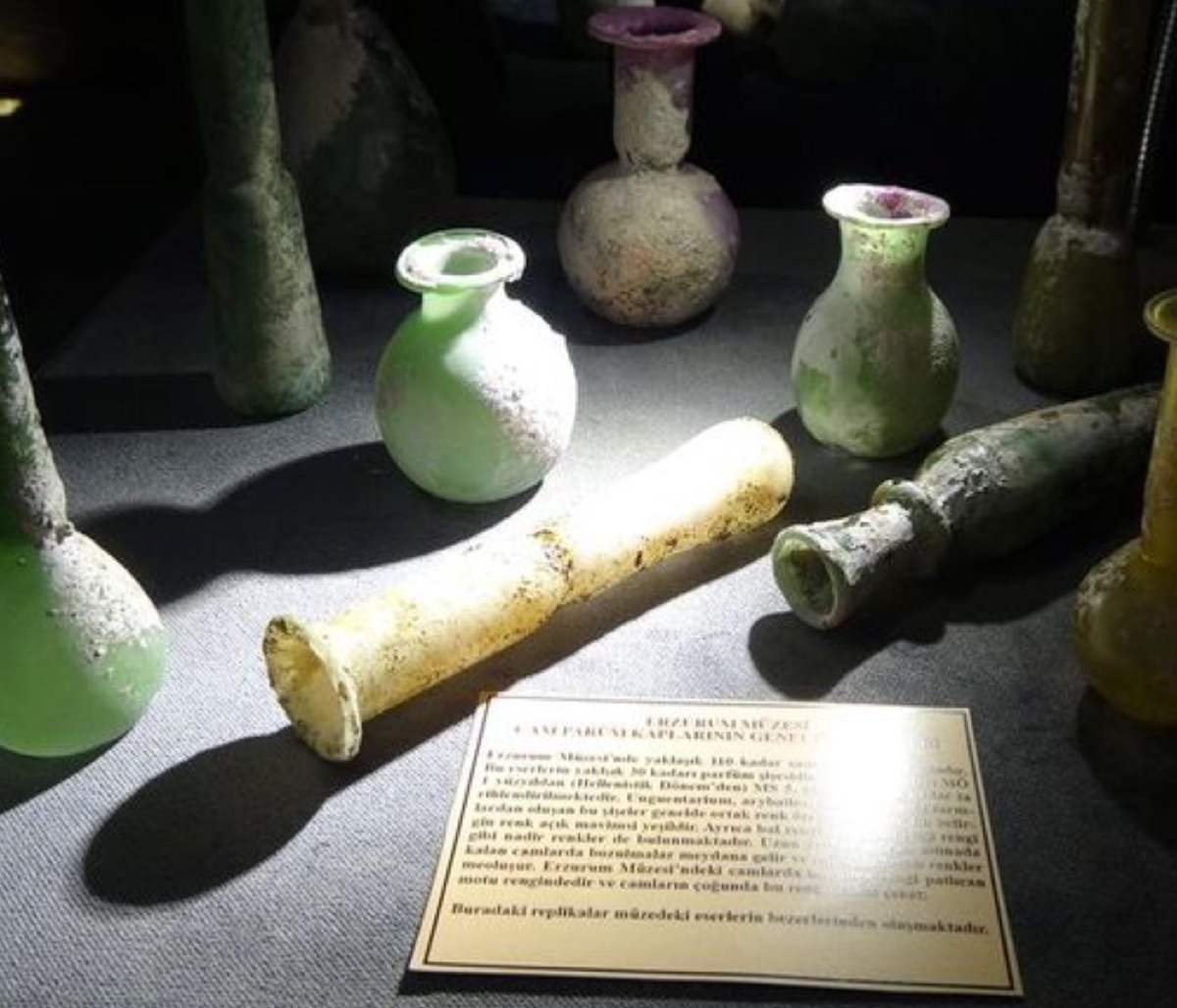
How did ancient scents shape medicine and ritual? An ancient priest carefully sprinkles dried flower petals onto a glowing coal, watching as a thin ribbon of fragrant smoke rises toward the temple ceiling. In that moment, the scent is not just a smell; it is a bridge to the divine.
For early civilizations, fragrance was a multi-purpose tool. In the realm of medicine, floral extracts and essential oils were often the primary ingredients in unguents and healing salves. Beyond physical health, scent played a central role in the spiritual life of humanity.
It was used in burial rites to honor the dead and in religious ceremonies to signify the presence of the sacred.
The physical structure of the flower often dictates how these scents are experienced. For instance, some flowers possess a corolla tube—a structure that can hold and direct scent.
In certain jasmine varieties, the corolla tube is approximately 1 cm (0.39 in) long, which can influence how the aroma is released into the air. These physical traits allow for a spectrum of scent intensities that humans have learned to harness for both practical and ritualistic purposes.
As societies grew more complex, scent also became a form of non-verbal communication. It could signal the arrival of a messenger, the sanctity of a space, or the presence of a ruler.
The ability to capture and carry these scents became a way to navigate the social and spiritual landscapes of the ancient world. However, as the world expanded, the way we valued these scents underwent a radical transformation.
How does fragrance shape art, status, and story? A Victorian lady pulls a lace handkerchief from her sleeve, the delicate scent of rosewater lingering in the air as she glances at a painting of a blooming garden. To her, the scent is an extension of her elegance and a quiet statement of her social standing.
Throughout history, the meaning of scent has shifted alongside the evolution of art and social structures. In literature and mythology, the aroma of specific flowers often serves as a metaphor for love, purity, or even decay.
In the world of fine art, the visual representation of flowers is frequently paired with the sensory memory of their scent, creating a multi-sensory experience for the viewer.
Scent has also been a powerful marker of wealth. Because extracting pure essences from flowers was once a difficult and expensive process, possessing fine floral oils was a luxury reserved for the elite.
This led to the development of perfumery as a high art form, where the mastery of scent became a way to demonstrate status and sophistication.
The physical attributes of the flower often work in tandem with its scent to create a unique identity. For example, the visual cues of color and shape often complement the olfactory experience.
A flower with a purple-black, globose berry about 1 cm (0.39 in) in diameter offers a different sensory profile than a pure white bloom, and these distinctions have been used throughout history to라 categorize and symbolize different emotions and ideas.
But how do we take these ancient lessons into the modern age?
The Modern Revival: From Field to Flacon
A modern chemist in a laboratory carefully titrates a drop of jasmine extract into a glass vial, seeking the perfect balance of notes for a new fragrance. This precise work is the modern descendant of the ancient alchemist's quest.
Today, our understanding of botany and chemistry has transformed how we interact with floral scents. Modern perfumery uses sophisticated techniques to isolate and stabilize the delicate molecules that make flowers smell unique.
This allows us to enjoy the essence of a spring bloom even in the middle of a metropolitan winter.
Beyond luxury perfumes, there is a growing interest in the psychological impact of scent. Aromatherapy has moved from the fringes of holistic health into the mainstream, with people using floral essences to manage stress, improve sleep, and enhance mental well-being.
This modern application recognizes what ancient cultures always knew: scent has a direct line to our emotions and our nervous systems.
As we continue to study the complex chemistry of the natural world, the bridge between the field and the flacon becomes even stronger. We are not just capturing smells; we are preserving the biological history of the plants that shaped our world.
| Feature | Evolutionary Purpose | Cultural Purpose |
|---|---|---|
| Scent Production | Attract pollinators for reproduction | Create atmosphere and ritual |
| Chemical Signals | Guide biological vectors | Convey status and emotion |
| Structural Variety | Control scent dispersal and access | Provide aesthetic and sensory diversity |
How to Incorporate Floral Scents into Your Life
When I first started experimenting with botanical extracts in my own home in 2025, I realized that the impact of scent is often about the environment as much as the flower itself. I found that a single stem could change the entire mood of a room.
- Seasonal Gardening: Plant fragrant varieties like jasmine or lavender to create a natural sensory experience in your outdoor space.
- Aromatherapy Basics: Use high-quality essential oils in a diffuser to set the mood in your home, but always research the specific plant's properties first.
- Floral Arrangements: When choosing cut flowers, mix different textures and scent strengths to create a balanced bouquet.
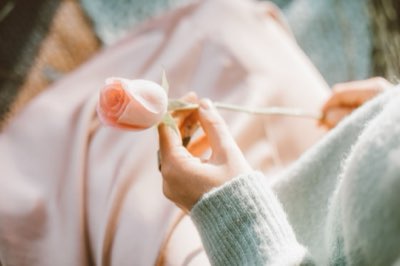
- Mindful Observation: Take a moment to sit with a single bloom and notice how the scent changes as the flower opens or as the temperature shifts.
A Note on Safety and Limits While the history of floral scent is enchanting, it is important to remember that not all flowers are safe for everyone. Some scents can be overpowering, and certain essential oils can be toxic to pets or irritating to sensitive skin.
Always research specific species before using them in close proximity to children or animals.
#
Comments 0