Global Flower Trade: The Heartbeat of the Dutch Auction Hub
"The scent of millions of stems meeting the cold precision of global logistics creates a unique atmosphere where nature meets commerce."
The global flower trade doesn't just happen in local boutiques or weekend farmers' markets; it flows through a massive, highly organized engine located in the Netherlands. This central hub acts as the heartbeat for floriculture, dictating what flowers end up in vases from New York to Tokyo.
Key Takeaways
* The scale of the modern auction dictates global supply chains for nearly all cut flowers. * The system evolved through decades of geographical shifts and organizational restructuring. * The Dutch ecosystem represents a highly specialized, industrialized success story in agricultural trade.
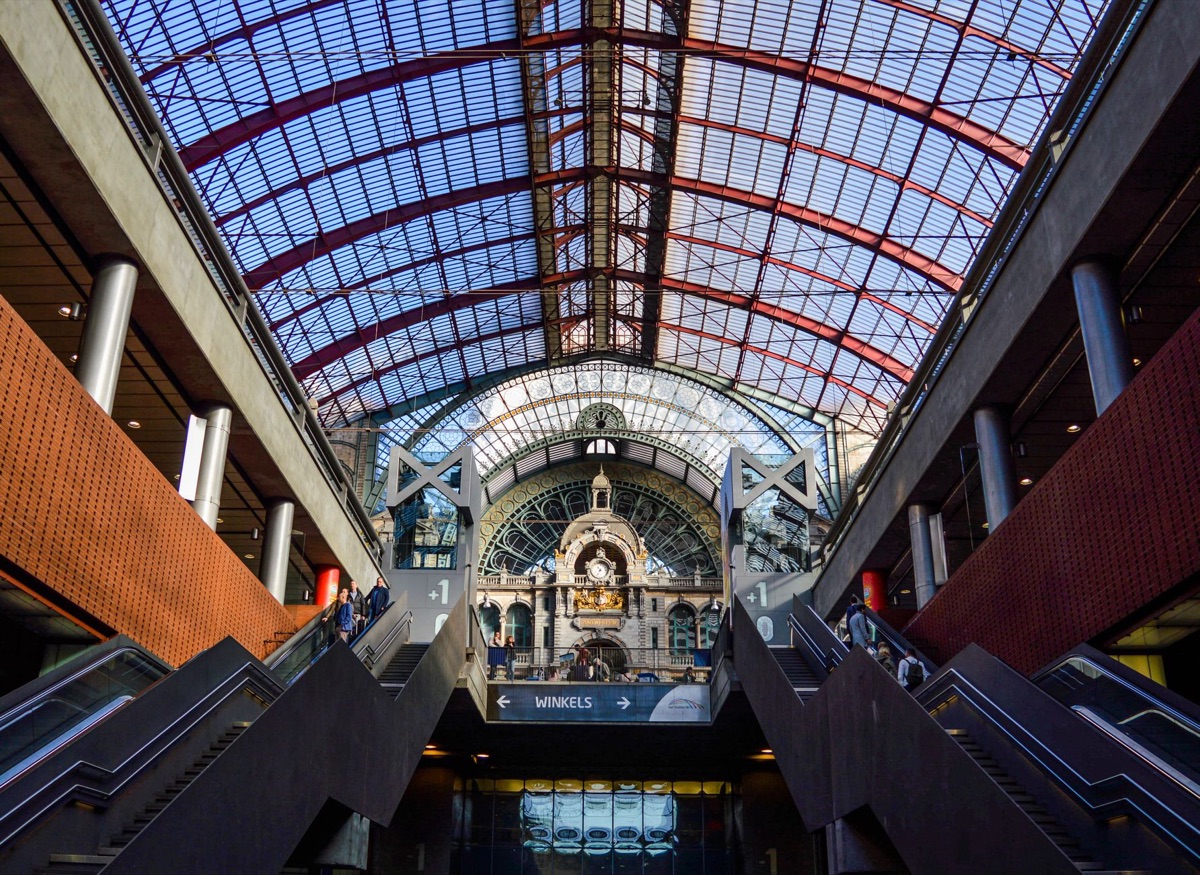
How Did the Flower Trade Evolve into a Global Industry?
Early morning light hits the glass panes of a massive warehouse, reflecting off the wet pavement where trucks line up in endless rows. A worker carefully stacks crates of lilies, moving with a practiced speed that suggests every second counts.
The transition from local gardening to a global commodity market required more than just beautiful blooms; it required a centralized, reliable infrastructure. Historically, trade was scattered, but as demand grew, the need for a singular, high-volume marketplace became clear.
This led to the development of specialized hubs that could handle the delicate nature of perishable goods on an industrial scale.
One of the most significant shifts in this history occurred during the reorganization of these trade centers. In January 1978, the auction moved to Eelde, a town located just 8 km (5 mi) south of its previous location.
This move was a pivotal moment in consolidating the trade and preparing for the massive expansion that would define the modern era.
This relocation wasn't just about moving buildings; it was about optimizing the flow of goods to meet an increasingly international appetite. As the trade moved from local community exchanges to a global stage, these shifts allowed for better logistics and more efficient distribution.
But as the volume grew, the logistics became increasingly complex.
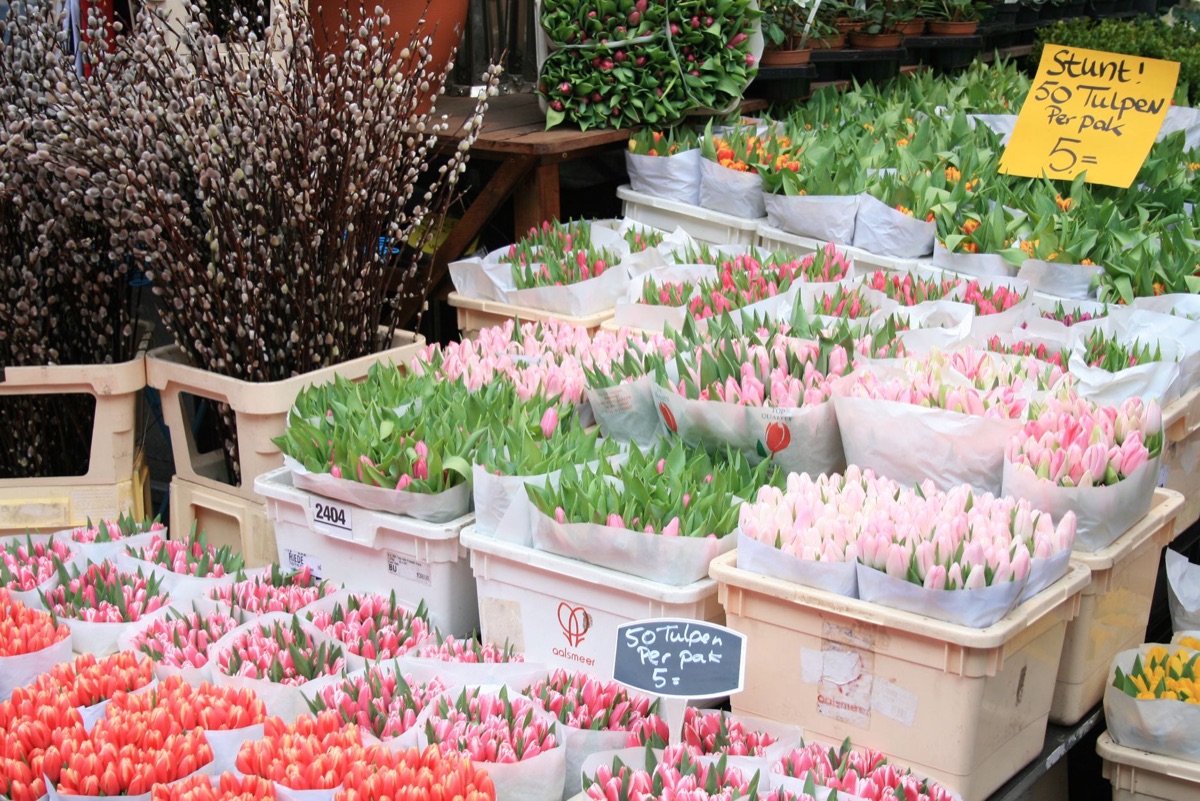
How big and how is a modern auction structured? A heavy wooden crate slides across a metal rail, making a rhythmic clatter that echoes through a cavernous hall. A buyer checks a digital readout, looking for a specific shade of rose that matches a high-end client's request.
Today, the primary entity managing this massive volume is Royal FloraHolland. The scale is difficult to grasp without seeing it in person; it is not merely a market, but a sophisticated logistical machine.
The auction functions as a clearinghouse where growers from all over the world bring their harvests to be sold to international wholesalers, retailers, and florists.
The structure relies heavily on specialization. To maintain efficiency, flowers are often sorted by genus, species, and even specific variety to ensure that buyers can find exactly what they need.
This systematic approach allows for a staggering diversity of species to be traded simultaneously, from common carnations to rare, exotic orchids.
The logistical chain is a marvel of timing. Because flowers are highly perishable, the transition from the grower's greenhouse to the buyer's refrigerated truck must be seamless.
The auction acts as the perfect intermediary, providing the standardized environment necessary to manage this delicate hand-off.
But how does this industrial machine interact with the living, breathing world of the growers?
How does the Dutch flower sector ecosystem work? The sun rises over a sea of greenhouses, where automated systems regulate temperature and humidity to create perfect microclimates. A technician walks through a row of hydrangeas, checking the soil moisture levels with a handheld sensor.
The success of the Dutch flower sector is not limited to the auction floor itself. It is an integrated ecosystem where growing, processing, and trading work in perfect harmony.
This sector relies on a deep well of horticultural research and advanced cultivation techniques that have been refined over generations.
The relationship between the auction and the wider research base is crucial. While the auction handles the commerce, the surrounding regions focus on the science of plant health, soil composition, and genetic diversity.
This ensures that the flowers being traded are of high quality and can survive long-distance transport.
Modern technology has further strengthened this ecosystem. From automated sorting machines to digital bidding platforms, technology allows the Dutch sector to maintain its lead in global trade.
This combination of traditional horticultural knowledge and cutting-edge logistics makes the region an unbeatable leader in floriculture.
However, the sheer speed of the market leaves little room for error.
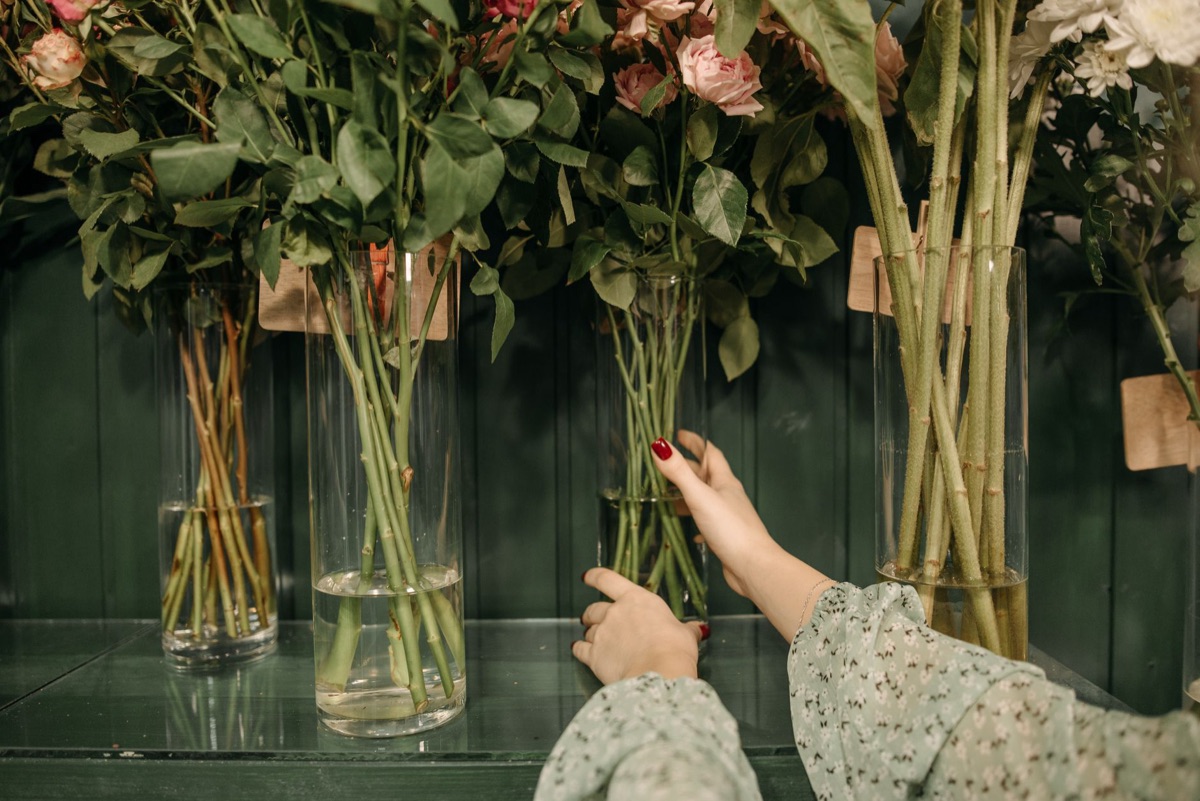
The Global Significance of the Flower Trade
A florist in a high-rise apartment carefully selects a bouquet, looking at a label that originated thousands of miles away. The delicate petals of a tulip, vibrant and perfect, stand in stark contrast to the heavy machinery used to transport them.
The auction in Aalsmeer doesn't just serve local needs; it dictates global trends. When a specific variety of rose becomes popular in the Netherlands, it often becomes a global phenomenon within weeks.
This centralized market creates a ripple effect, influencing pricing and availability across the entire planet.
There is a fascinating tension between the industrialized scale of the trade and the delicate, organic nature of the product. While the logistics involve heavy trucks, massive warehouses, and digital data, the end product is a fragile bloom that requires gentle handling.
This global dependency makes the Dutch market a critical piece of international trade. Because so much of the world's cut flower supply passes through these hubs, any shift in Dutch trade policy or logistics can impact the floral industry globally.
It is a delicate balance of commerce and nature that requires constant management.
How to Navigate the Global Floral Supply Chain
A researcher sits at a wooden desk, surrounded by thick volumes of botanical names and hand-drawn sketches of petals. They carefully note the difference between a cultivar and a species, looking for the subtle clues that define a plant's identity.
Understanding the global trade requires more than just looking at the big picture; it requires an appreciation of the minute details of botany. While an auction focuses on volume and speed, a true understanding of flowers requires looking at taxonomy and cultivation needs.
When I visited a distribution center in the spring of 2025, I noticed how the slightest change in humidity could affect the entire batch of delicate peonies. It was a reminder that even in a digital age, the biological reality is king.
To understand the lifecycle of a commercial bloom, follow this general progression:
- Cultivation and Harvest: Growers produce flowers in controlled environments, timing the harvest to meet specific market peaks.
- Logistical Transit: Harvested flowers are transported in temperature-controlled environments to central hubs like Aalsmeer.
- Auction and Bidding: The flowers are presented through digital and physical auction systems to global buyers.
- Wholesale and Retail Distribution: Buyers move the product through secondary logistics to local florists and supermarkets.
- End Consumer Arrival: The final product reaches the consumer, often traveling thousands of kilometers from its origin.
Detailed knowledge is essential for anyone working with these plants. Knowing the specific light requirements, soil acidity, or pest vulnerabilities of a particular species is what separates a casual hobbyist from a professional.
This depth of knowledge is what allows growers to produce the high-quality blooms that the auction demands.
| Feature | Local Market Trade | Global Auction System |
|---|---|---|
| Primary Scale | Small, community-based | Massive, international volume |
| Logistics | Simple, direct-to-consumer | Complex, multi-modal transport |
| Variety | Limited to local seasonality | Global, year-round availability |
| Speed | Slow, relationship-driven | Rapid, data-driven efficiency |
A Note on Limitations and Trade-offs
It is important to recognize that the industrialization of the flower trade has trade-offs. The focus on high-volume, standardized logistics can sometimes prioritize durability and transportability over the unique, delicate characteristics of certain rare species.
While the system is incredibly efficient, it relies on a massive carbon footprint and significant energy use to maintain the necessary cold chains and greenhouse environments.
#






Comments 0