Rose Genus: From Wild Roots to Modern Blooms in Your Garden
"A single rose can contain the history of a thousand years of human passion."
The rose is more than just a flower; it is a biological masterpiece and a cultural icon that has shaped gardens and poetry for millennia.
Whether you are looking for a climbing vine to drape over a trellis or a compact shrub for a patio, understanding the genus *Rosa* is the key to a successful garden.
Key Takeaways * The genus *Rosa* encompasses a massive diversity of species, ranging from tiny wild shrubs to massive climbers. Successful growing depends on matching the specific cultivar to your local hardiness zone and soil acidity.
* Roses have transitioned from ancient wild plants to highly engineered modern hybrids through centuries of selective breeding. Proper pruning and soil management are essential to prevent disease and encourage repeat blooming.
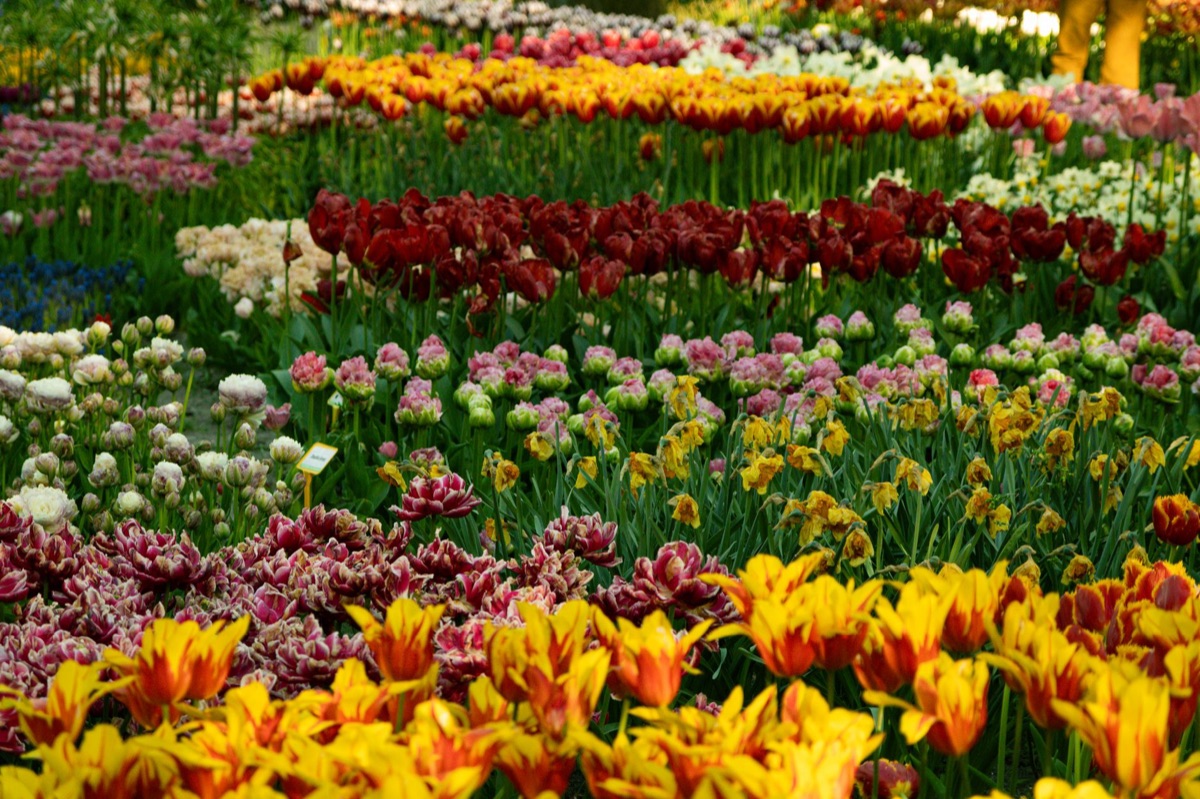
What exactly is a rose, and where did they come from? In the quiet morning light of the botanical garden, I reached out to touch the rough, thorny stem of a wild shrub.
I remember standing in a botanical garden in early spring, looking at a wild rose bush that seemed almost too simple to be related to the heavy, multi-petaled blooms in a florist's shop.
The wild variety had only five petals and a single, bright center, yet it felt just as regal as the hybrid tea roses.
Botanically, the rose belongs to the genus *Rosa* within the family Rosaceae. This family is vast, containing everything from apple trees to strawberry plants, but the genus *Rosa* is particularly noted for its ornamental beauty and complex structures.
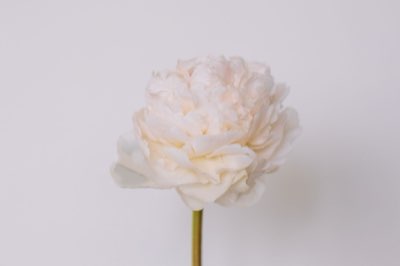
While wild roses are often single-petaled and hardy, modern cultivars have been bred to display an incredible array of petal counts and colors.
The diversity of the genus is staggering. Some species are designed to crawl across the ground as groundcovers, while others are vigorous climbers that can reach heights of 20 feet or more.
Some varieties are characterized by their thorns—or more accurately, their prickles—which serve as a natural defense mechanism in the wild. In contrast, modern breeding has attempted to minimize these features in some lines while maximizing scent and bloom size in others.
This wide morphological spectrum means that "a rose" is never just one thing. You might find a miniature rose that fits in a small 6-inch ceramic pot, or a massive climber that requires a sturdy stone wall for support.
Understanding whether your plant is a shrub, a climber, or a groundcover is the first step in successful placement.
But why does understanding these biological differences matter so much for your backyard?
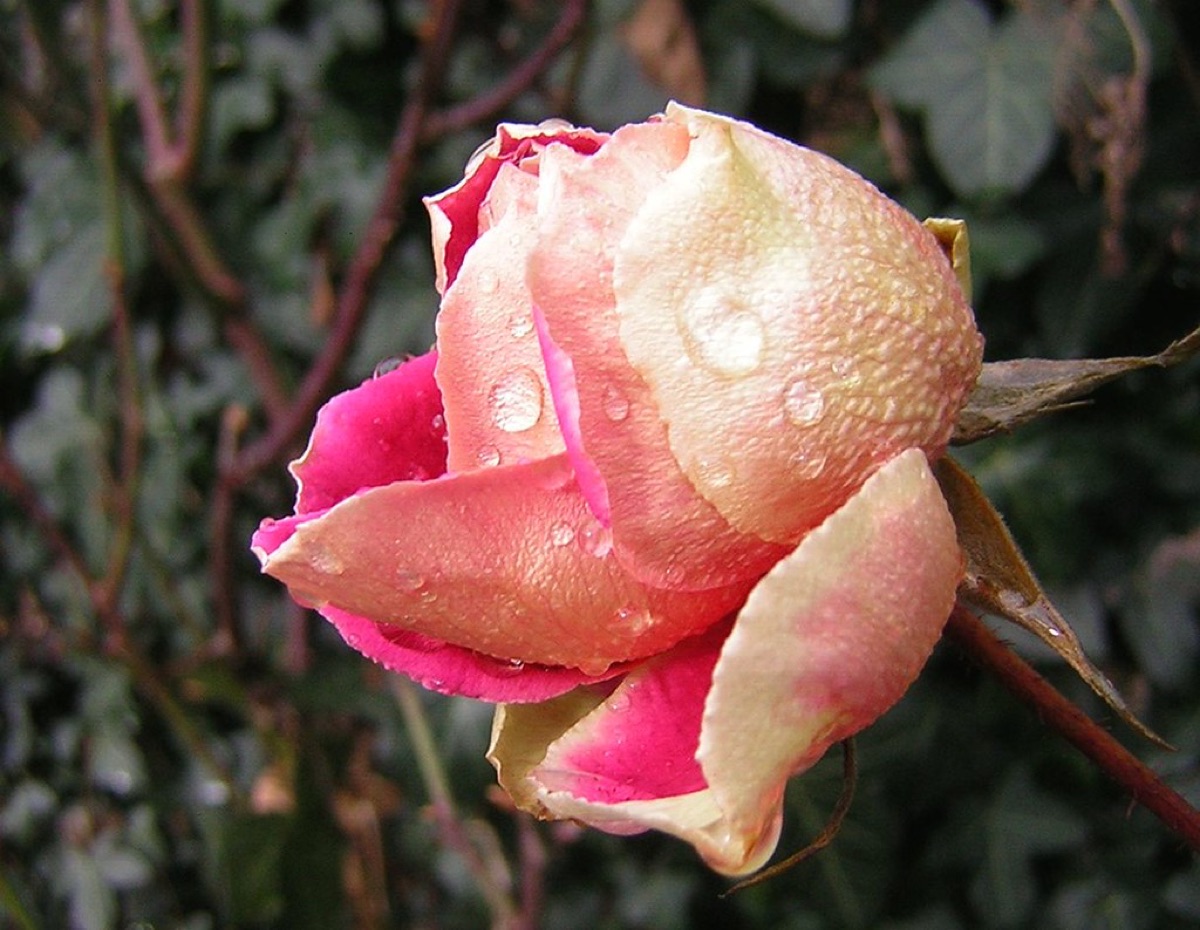
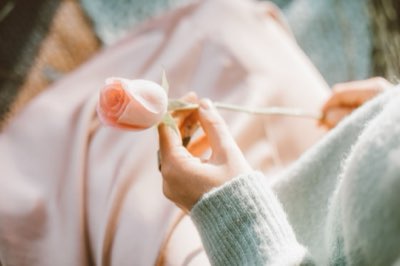
How has the rose shaped history and romance? Walking through an old European cemetery in 2025, I once noticed how the stone carvings of roses seemed to tell a story of lost love and eternal memory. It felt as though the flower was speaking through the stone, bridging the gap between the living and the departed.
In ancient civilizations, particularly in Greece and Rome, the rose was a symbol of profound beauty and was often associated with deities of love. In these eras, roses were not just garden ornaments but were used in feasts, perfumes, and religious ceremonies.
The transition from a wild, functional plant to a symbol of high culture began long ago, as humans began to select the most beautiful specimens for their private gardens.
As centuries passed, the symbolism of the rose evolved. In the medieval period, it appeared in illuminated manuscripts as a symbol of purity or martyrdom.
In the Victorian era, the "language of flowers" became a sophisticated social tool, where specific colors of roses could convey secret messages of passion, friendship, or even jealousy.
Today, while we still recognize the rose as a symbol of romance, its cultural role has expanded. It is a staple of global diplomacy, a centerpiece in fine art, and a universal symbol of elegance. Every petal carries the weight of these historical layers, making every bloom feel significant.
However, knowing the history is easy; making them survive in your own dirt is the real challenge.
Cultivating Perfection: A Gardener's Guide to Rose Care
The sun hit the garden bed at 7:00 AM on a Tuesday in 2026, and I could see the dew clinging to the rose leaves, highlighting the delicate veins of the petals. I reached down to check the soil moisture, knowing that the health of the roots was just as important as the beauty of the flower.
To keep roses thriving, you must master the environment. Most roses require significant sunlight—at least 6 hours of direct light—to produce vigorous blooms.
Temperature tolerance is also a critical factor; for instance, some climbing varieties are widely grown in parts of the United States in hardiness zones 10 through 11, though they can be hardy down to 20 °F in zone 9a.
Soil management is where many gardeners struggle. Maintaining the right acidity is vital for nutrient uptake. For certain plants, mixing 2 ounces of vinegar per gallon of water into the growing medium can help maintain a reliably high acidity level.
For general rose health, ensuring well-draining soil is non-negotiable to prevent root rot.
| Care Factor | Requirement/Action | Purpose |
|---|---|---|
| Light | 6+ hours of direct sun | Energy for blooming |
| Soil | Well-draining, organic-rich | Prevents root rot |
| Water | Deep, infrequent watering | Encourages deep root growth |
| Pruning | Annual seasonal pruning | Removes dead wood/regulates size |
Propagation can be done through several methods, including stem cuttings or grafting. While seeds can be used to grow new species, they often do not grow "true" to the parent plant, making cuttings or nursery-bought plants the preferred choice for gardeners seeking specific flower shapes.
But how do you actually move from a single plant to a full, blooming garden?
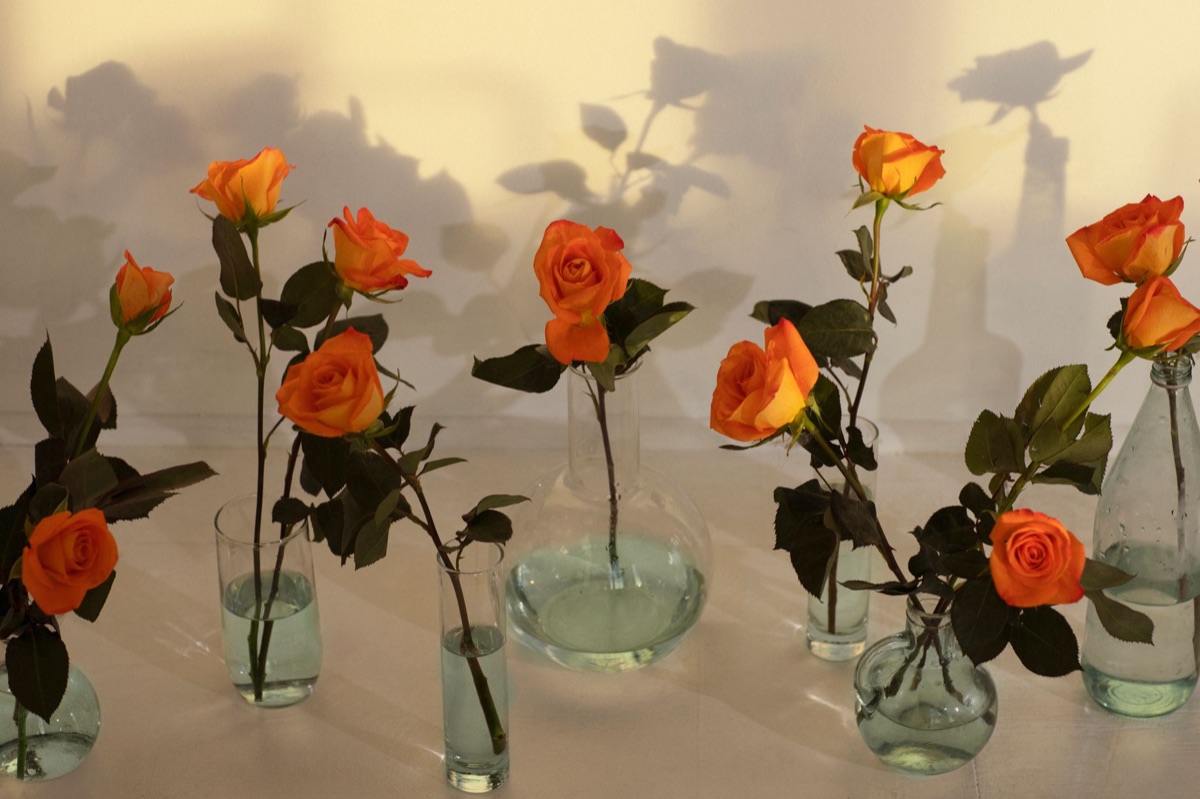
The Modern Rose Garden: Varieties and Application
I sat on a garden bench last summer, watching a single shoot of a modern hybrid burst into bloom. It was a spectacular sight: a single stem supporting multiple flowers, each one looking almost like a miniature orchid.
Modern breeding has revolutionized the rose garden. Hybridization has allowed us to create flowers with incredible longevity and unique structures.
Some modern shoots can produce up to 14 beautiful flowers, with ruffled lips measuring about 30 mm in diameter, sometimes appearing almost scentless but visually striking, much like a miniature Cattleya orchid.
When designing a garden, you must match the variety to its intended use. If you want a romantic, overflowing look, climbers are your best choice. If you want a tidy, low-maintenance border, look for shrub roses or miniature varieties.
- Identify your hardiness zone: Ensure the variety can survive your winter temperatures.
- Select by growth habit: Choose climbers for vertical interest and groundcovers for soil coverage.
- Consider bloom frequency: Some roses are "once-blooming," while others are "repeat-blooming."
- Plan for companion planting: Pair roses with lavender or salvia to add texture and contrast.
Selecting the right rose involves balancing aesthetics with practicality. A rose that looks beautiful in a magazine might struggle in your specific backyard if you don't account for its growth habit or temperature requirements.


Comments 0