Succulent care guide for beginners with 95% water storage
"Succulents are masters of survival, storing life-sustaining moisture within their very tissues to endure the harshest droughts."
This succulent care guide for beginners provides the essential knowledge needed to maintain these resilient plants by focusing on light, water, and soil requirements.
You will learn how to manage moisture levels, select the right growing environment, and recognize the unique biological traits of various species.
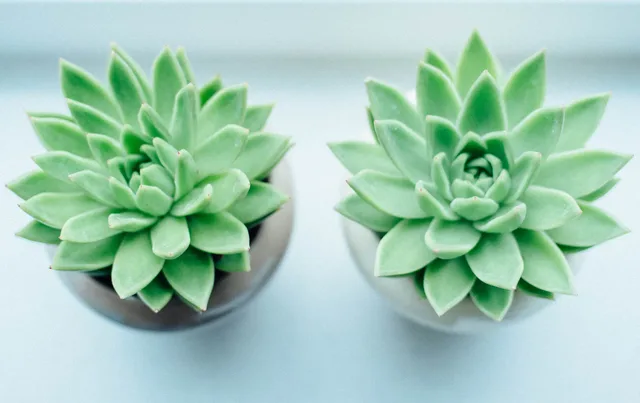
This succulent care guide for beginners is designed for those starting a collection, though it is important to note that success depends heavily on your specific indoor or outdoor microclimate.
* Understand high water storage capacity in specific organs. * Master the balance of drainage and light. * Identify species-specific needs to prevent rot.
How do I keep my succulents alive and thriving?
A ceramic pot sits on a sun-drenched windowsill as a single finger tests the dry, gritty soil. To succeed with these plants, you must respect their biological ability to hold massive amounts of liquid.
For instance, the water content of some succulent organs can get up to 90–95%, such as *Glottiphyllum semicyllindricum* and *Mesembryanthemum barkleyii*.
Because these plants are built to store such high percentages of moisture, the most common mistake is overwatering. You must allow the soil to dry out completely between sessions to mimic their natural arid habitats.
Providing bright, indirect light ensures they do not stretch toward the window in search of energy.
However, these basic tips may not be sufficient for rare or highly sensitive species.
How to grow succulents in different environments?
The morning sun hits a terracotta planter, warming the sand-heavy mix inside. When managing how to grow succulents, the environment dictates your entire maintenance routine. Indoor settings often require more attention to airflow and light intensity than outdoor gardens.
In a controlled indoor setting, you must monitor the humidity levels closely. If the air is too stagnant, the moisture held within the plant tissues can lead to fungal issues. I once watched a small collection struggle because a single drafty corner provided too much dampness and not enough light.
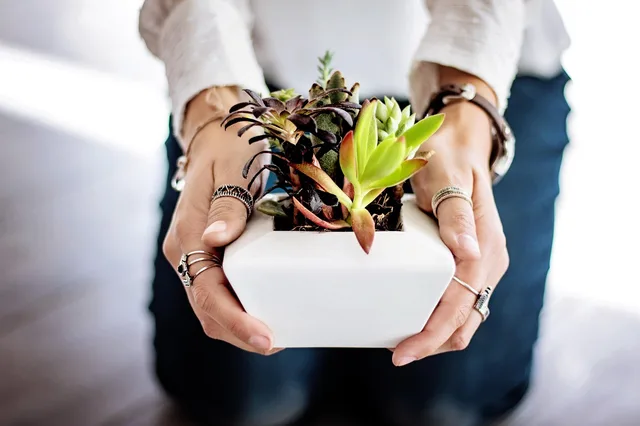
However, success may be limited in environments with extremely high humidity or constant frost.
Which succulents should I get and how do I care for them?
A gardener examines the thick, fleshy leaves of an Echeveria compared to the thin, upright stems of a Crassula. Different species demand different approaches to light and hydration. While all succulents share certain traits, their specific morphologies change how you should treat them.
| Plant Feature | Storage Capacity | Primary Care Focus |
|---|---|---|
| Fleshy Leaves | Very High | Minimal Watering |
| Stem-based | Moderate | Increased Light |
Using these beginner succulent tips, you can tailor your approach based on whether the plant stores water in its leaves or its stems. Some species prefer intense, direct sun, while others might scorch if placed in a south-facing window without shade.
However, individual plant health can vary even within the same species.
What are the best succulent soil and care steps?
A small trowel scoops coarse perlite into a nursery pot, mixing it with sandy earth. To ensure your plants thrive, follow these fundamental steps for establishing a healthy growing medium:
- Select a specialized cactus and succulent potting mix that emphasizes rapid drainage. 2. Ensure your container has a functional drainage hole at the bottom to prevent water pooling. 3. Water the plant deeply until liquid escapes the drainage hole, then wait for the soil to become bone-dry.
After completing these steps, perform a final check by inspecting the base of the plant for any signs of softening or discoloration. This ensures the medium is supporting the roots rather than suffocating them.
- Select a well-draining cactus or succulent potting mix.
- Repot the plant into a container with drainage holes.
- Water the soil thoroughly until it runs out of the bottom.
Managing succulent light requirements and hydration
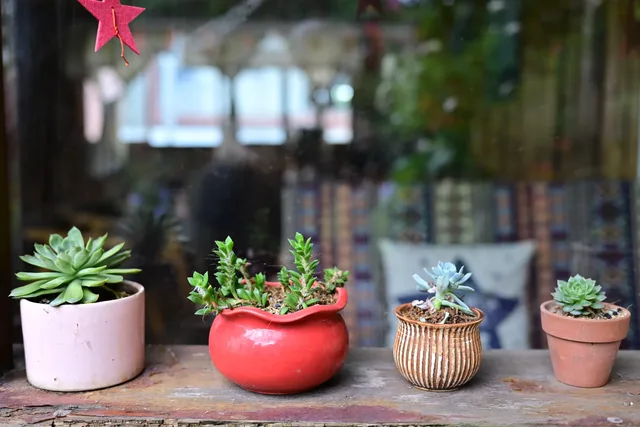
The shadows shift across a garden bed as the afternoon sun begins to dip. Mastering succulent light requirements involves observing how the color and shape of your plant change over time. If a plant begins to stretch, it is likely searching for more light.
The water content of some succulent organs can reach up to 90–95%.
When following a succulent watering guide, timing is as important as quantity. Watering in the early morning allows any accidental splashes on the leaves to evaporate quickly during the day. This prevents the high water content within the plant from causing rot due to surface moisture.
I find that the second step in this process is the most critical.
Why does light intensity matter for succulents?
Light intensity dictates whether a plant maintains its compact shape or begins to stretch. Succulents are masters of survival, but they still require sufficient energy to maintain their structural integrity.
If the light is too low, the plant will stretch toward the window, a condition that changes its morphology.
Comparing light needs is essential when deciding between indoor and outdoor placement. While some species thrive in intense, direct sun, others may suffer from scorching if they are placed in a south-facing window without adequate shade.
You must observe the color and shape of the plant to determine if the current light level is sufficient.
However, the effectiveness of light exposure is limited if the plant lacks proper airflow.
How to prevent rot during the watering process?
Preventing rot requires a strict adherence to the drying cycle and soil composition. You must allow the soil to dry out completely between sessions to mimic the natural arid habitats these plants inhabit.
If the soil remains damp, the high water content within the plant tissues can lead to fungal issues or softening at the base.
- Check the soil texture to ensure it is dry and gritty before adding more liquid. 2. Monitor the plant base for any signs of discoloration or softening. 3. Use a specialized mix with perlite to ensure rapid drainage and prevent water pooling.
Always use a container with a functional drainage hole. This procedure ensures that excess water escapes rather than sitting around the roots, which is a critical caution for any beginner managing high-moisture species.


Comments 0