Flower festival history: Tips for modern seasonal spectacles
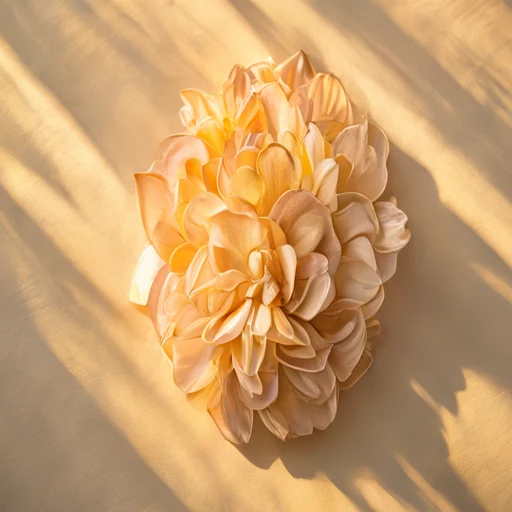
A single bloom can connect a modern observer to centuries of tradition.
Flower festivals represent the historical evolution of seasonal celebrations, transitioning from local agricultural markers to massive international events. This guide explores how these festivals have changed over time, noting the shift from traditional garden shows to modern seasonal spectacles.
Key takeaways include the impact of rising temperatures on bloom timing and the collaborative efforts of horticultural societies in establishing specific flower festivals.
How did flower festivals evolve?
As you walk through the manicured garden at noon, the scent of a single flower fills your lungs.
Walking through a manicured garden during a summer show reveals the structured nature of modern horticultural events. Flower festivals have transitioned from simple community gatherings to highly organized exhibitions that celebrate specific species.
The historical development of these events shows a shift toward specialized themes. For example, the 1991 Show introduced a British Rose Festival with the joint involvement of the Royal National Rose Society and the British Rose Growers' Association.
This collaboration helped formalize the celebration of specific varieties within a larger festival framework.
Past flower event trends often focused on local agricultural cycles. These earlier celebrations served as communal markers for the seasons. Today, these events have expanded into global phenomena, drawing travelers to witness the peak of a single species.
What is the flower festival history?
Sunlight filters through dense petals as a visitor navigates a crowded garden path. The history of these events is deeply tied to the seasonal rhythms of specific regions.
Historical flower festival growth is often linked to the peak blooming periods of iconic species. In the 1850s, the average peak bloom day for cherry blossoms was around April 17. This timing dictated the cultural and social schedules of the era.
The evolution of these celebrations is also a reflection of environmental shifts. By the 2020s, the average peak bloom day had shifted to April 5. This change occurred as the average temperature rose by about 3.4 °C (6.1 °F) between the mid-19th century and the current decade.
How does the flower show evolution look now?
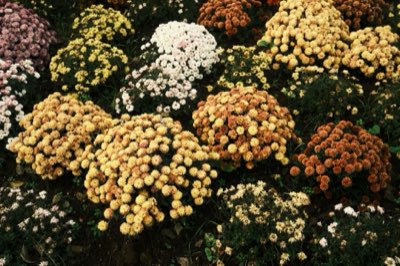
The vibrant colors of a modern floral display attract crowds under a midday sun. Modern flower show evolution reflects a move toward large-scale tourism and sophisticated botanical management.
Current floral festival development focuses on the intersection of horticulture and global travel. Events are no longer just local markets but are key components of international tourism.
The scale of these celebrations has grown significantly as botanical knowledge and event management have improved.
The modern outlook for these events involves managing the delicate balance between seasonal timing and visitor expectations. As bloom dates shift due to changing climates, organizers must adapt their schedules to ensure the peak colors align with public attendance.
What are the future of flower festivals?
A cool breeze moves through a field of blossoms as an organizer plans for the next season. The future of flower festivals is inextricably linked to the changing climate and the movement of seasonal markers.
Modern flower event outlook suggests that timing will remain a primary challenge for organizers. Because temperatures influence when flowers reach their peak, the traditional windows for these festivals may continue to move earlier in the year.
The future of these celebrations depends on how communities adapt to these shifts. The transition from the 1850s peak of April 17 to the 2020s peak of April 5 illustrates the necessity of flexible planning.
How are specific species celebrated?
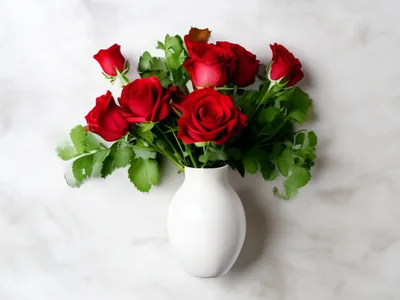
A gardener carefully inspects a new rose cultivar in a quiet corner of a display garden. Specialization has become a hallmark of modern horticultural festivals.
The history of specific celebrations is often tied to formal botanical organizations. The introduction of the British Rose Festival in 1991 is a prime example of how professional societies help define the focus of a festival.
This trend towards specialization allows for a deeper exploration of specific plant families. It ensures that both collectors and casual observers can find a focused experience within the larger event.
- How did flower festivals evolve?
- What is the flower festival history?
- How does the flower show evolution look now?
The subject here is Flower festival history.
The same subject is also called Flower show evolution now.
The same subject is also called Flower celebration journey.
Related
- Kukenhof flower festival history: Preserving botanical roots
- Flower festival history and modern: A guide to blooms
Why is timing a challenge for organizers?
Organizers must manage the shift in bloom dates caused by rising temperatures. Because the average temperature rose by 3.4 °C (6.1 °F) since the 1850s, the peak bloom day moved from April 17 to April 5. This change requires organizers to adapt schedules to align with the peak of a single bloom.
How do organizations influence festival structure?
Professional societies help define the focus of a festival through collaboration. The 1991 Show demonstrated this when the Royal National Rose Society and the British Rose Growers' Association worked together.
This joint involvement helped formalize the celebration of specific varieties within the larger event framework.
How does climate affect the single bloom?
Rising temperatures create a condition where the peak of a single bloom occurs earlier than in the past. The shift from April 17 in the 1850s to April 5 in the 2020s illustrates this environmental change.
Organizers face the challenge of aligning event schedules with these shifting seasonal markers. Because the average temperature increased by 3.4 °C (6.1 °F), the timing of the peak bloom has moved forward.
How do societies shape these events?
Collaborative efforts between horticultural organizations help formalize the structure of modern festivals. The joint involvement of the Royal National Rose Society and the British Rose Growers' Association in 1991 shows how specialization occurs.
This collaboration allows for the celebration of specific varieties within a larger framework. Such professional involvement ensures that festivals focus on specific species rather than just general seasonal markers.
Wikipedia: Hampton Court Garden Festival (full) Based on the retained excerpt mentioning Royal National Rose Society: The 1991 Show introduced a British Rose Festival with the joint involvement of the Royal National Rose Society and the British Rose Growers' Association.

Comments 0