Discover the Vital Role of Succulents in Agave Ecology
From practical evaluation of botanical ecosystems, it is increasingly evident that the role of succulents extends far beyond their aesthetic appeal in modern interior design. While many enthusiasts view these plants merely as low-maintenance houseplants, a deeper scientific inquiry reveals that genera such as *Agave* (within the Agavoideae subfamily) serve as critical pillars for ecological stability. In our analysis, the structural adaptations of succulents—ranging from Crassulacean Acid Metabolism (CAM) to specialized water-storing tissues—are not merely survival mechanisms for arid climates, but are fundamental drivers of soil health and biodiversity in semi-desert biomes.
The Ecological Architecture of Agave and Succulents
The genus *Agave*, a prominent member of the Asparagaceae family, represents a masterclass in evolutionary efficiency. Unlike many other plant groups, succulents have developed highly specialized morphological traits to manage extreme environmental stressors. These include reduced or cylindrical leaves, a reduction in the number of stomata to prevent transpiration, and the use of stems as primary photosynthetic sites.
From an ecological standpoint, these plants act as "resource islands." By capturing moisture through their unique growth forms—whether cushion-like, columnar, or spherical—they create micro-habitats that support various life forms. The ability of succulents to thrive in environments that are not strictly "desert" (as extreme sand coverage can actually hinder seedling growth) allows them to stabilize soil structures in semi-arid regions. This stabilization prevents erosion and facilitates the slow accumulation of organic matter, which is essential for long-term soil health and the eventual succession of other plant species.
How Do Succulents Contribute to Biodiversity?
Succulents are far more than solitary survivors; they are integral components of complex food webs. In regions like the succulent Karoo biome in South Africa—which, according to the World Wildlife Fund, hosts approximately one-third of all succulent species—the presence of these plants dictates the survival of local fauna.
The biological value of succulents can be categorized by their functional roles:
| Feature | Ecological Function | Impact on Biodiversity |
|---|---|---|
| Water Storage | Provides hydration in arid zones | Supports local wildlife during droughts |
| CAM Metabolism | Minimizes water loss through respiration | Allows survival in niche, low-moisture habitats |
| Structural Form | Creates shade and micro-climates | Provides nesting/shelter for insects and small fauna |
| Flowering Cycles | High-energy nectar production | Sustains specialized pollinators (bats, moths, birds) |
By providing reliable water and nectar sources in unpredictable climates, succulents ensure that pollinator populations remain stable, which in turn supports the reproductive success of the wider plant community.
Classification and Structural Characteristics
To understand the importance of *Agave*, one must understand its place within the broader succulent taxonomy. Succulence is not a single family but a convergent trait found across approximately sixty different plant families. Within the order Asparagales, the Agavoideae subfamily includes diverse genera such as *Agave*, *Beschorneria*, *Furcraea*, and *Yucca*.
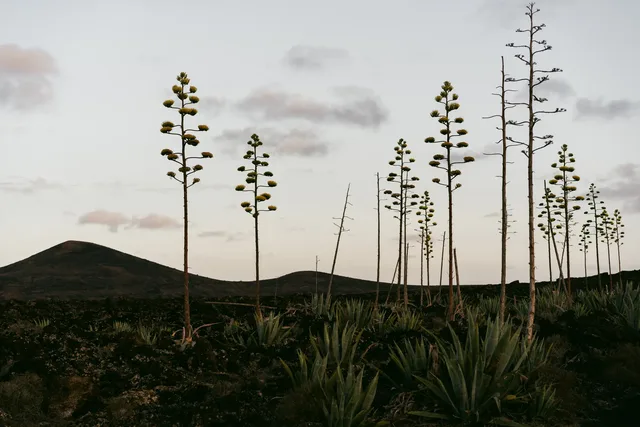
These plants are characterized by "succulence"—a swollen or fleshy appearance resulting from specialized water-storage tissues. This physical trait is often accompanied by ribs that allow for rapid increases in plant volume during infrequent rainfall. This structural flexibility is a key reason why succulents can dominate landscapes where other vegetation fails, thereby maintaining the biological continuity of the ecosystem.
Conservation Challenges and the Illegal Trade
Despite their ecological importance, many succulent species face severe anthropogenic threats. A significant concern in the botanical community is the thriving illegal trade of cacti and succulents. In South Africa, for instance, several species are currently threatened with extinction due to poaching for the black market and mining-related activities.
The demand for rare succulents, particularly among collectors in Asian countries, has fueled a shadow economy that strips natural habitats of their most vital components. Since 1974, it has been illegal to possess protected succulents, such as *Conophytum*, without authorization in the Western Cape and Northern Cape provinces. This poaching does not just remove a single plant; it disrupts the delicate balance of soil health and pollinator networks mentioned previously, potentially leading to localized ecosystem collapse.
Essential Checklist for Sustainable Succulent Care
For collectors and enthusiasts looking to support the preservation of these species, following best practices in cultivation and acquisition is vital.
* Verify Provenance: Only purchase succulents from reputable nurseries that can prove legal and ethical sourcing. * Avoid Poached Species: Never attempt to acquire rare species like *Conophytum* through unregulated channels. * Optimize Drainage: To prevent the most common cause of death—over-watering and associated infections—ensure highly porous soil. * Respect Natural Habitats: Understand that succulents are not just "desert plants" but are specialized for specific biomes like the Karoo. * Promote Propagation: Utilize vegetative propagation (cuttings or division) to expand collections rather than relying on wild-harvested seeds.
Frequently Asked Questions
Q: What is the primary reason succulents die in indoor environments? A: For most plant owners, over-watering and the subsequent infections caused by excess moisture are the leading causes of death in succulents. Proper potting and drainage are essential for their survival.
Q: Are all succulents found in extreme deserts? A: No. While often associated with steppes and semi-deserts, the world's absolute driest areas are often unsuitable for succulents because seedlings can easily be covered by shifting sand. They thrive best in specific biomes, such as the succulent Karoo.
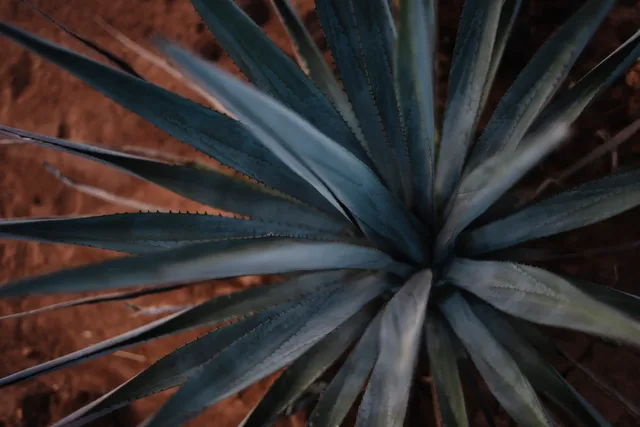
Q: How can I propagate my succulents at home? A: The most common method is vegetative propagation through cuttings. A few centimeters of a leafy stem is cut off and left to form a callus. After approximately seven days, roots may begin to develop. Another method is division, which involves uprooting an overgrown clump and separating it.


Comments 0