Autumn flower physiology: Why fall bloom traits need care
"As the warmth of summer retreats, the garden undergoes a profound physiological shift, preparing for the dormancy of winter through a final, vibrant burst of color."
Autumn flowers thrive by using shorter days and cooler temperatures to start their special blooming cycles. To manage these seasonal blossoms well, you must adjust watering schedules to account for lower evaporation rates and monitor soil temperature to prevent root shock.
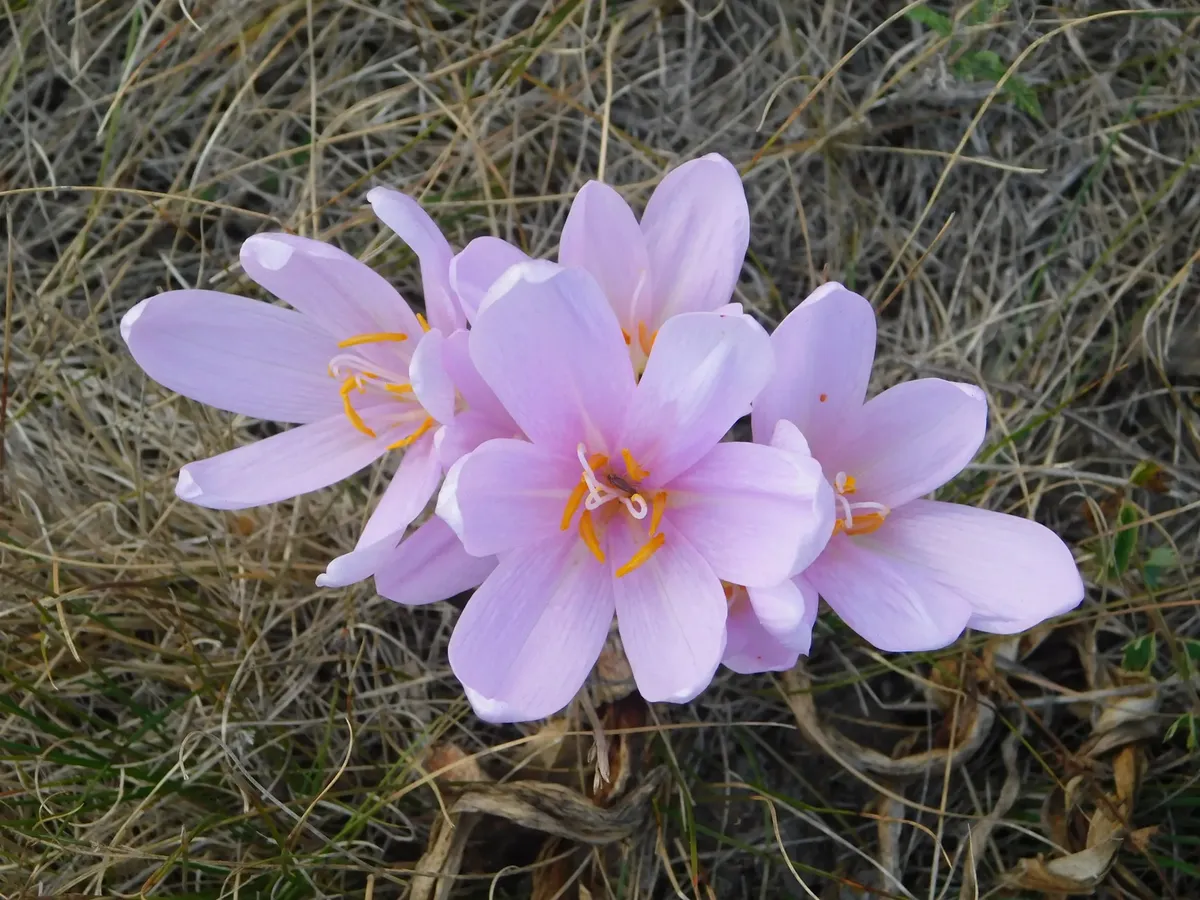
This guide covers the physiological traits of fall blooms, how to maintain their health, and the specific care steps required as the season transitions.
How does autumn flower physiology work? I walk through the garden at dawn, feeling the biting chill of the autumn air against my cheeks as I study the changing petals.
A gardener walks through a garden bed, feeling the crisp morning air against their skin while observing the deepening hues of late-season petals.
Autumn flower physiology is characterized by a response to photoperiodism, where the shortening of daylight hours signals the plant to shift energy from leaf production to flowering.
These plants often possess thicker petal structures or specialized pigments that allow them to withstand the fluctuating temperatures of the season. Unlike spring varieties that rush to beat the heat, fall blooms are built for endurance.
They utilize the cooling soil to stabilize their metabolic processes before the first frost arrives.
Observing flower ecology reveals that many of these species have evolved to attract late-season pollinators, such as specific bees and butterflies, which are also preparing for winter.
This biological synchronization ensures that the flower's reproductive cycle aligns with the availability of insects.
I find that the second stage of this transition is the most complex.
How do you master seasonal flower care?
At dusk, I kneel in the damp soil to check the moisture levels, breathing in the earthy scent of the autumn garden.
The sun hangs lower in the sky, casting long shadows across a container filled with late-season perennials. Managing seasonal flower care requires a proactive approach to the changing environment.
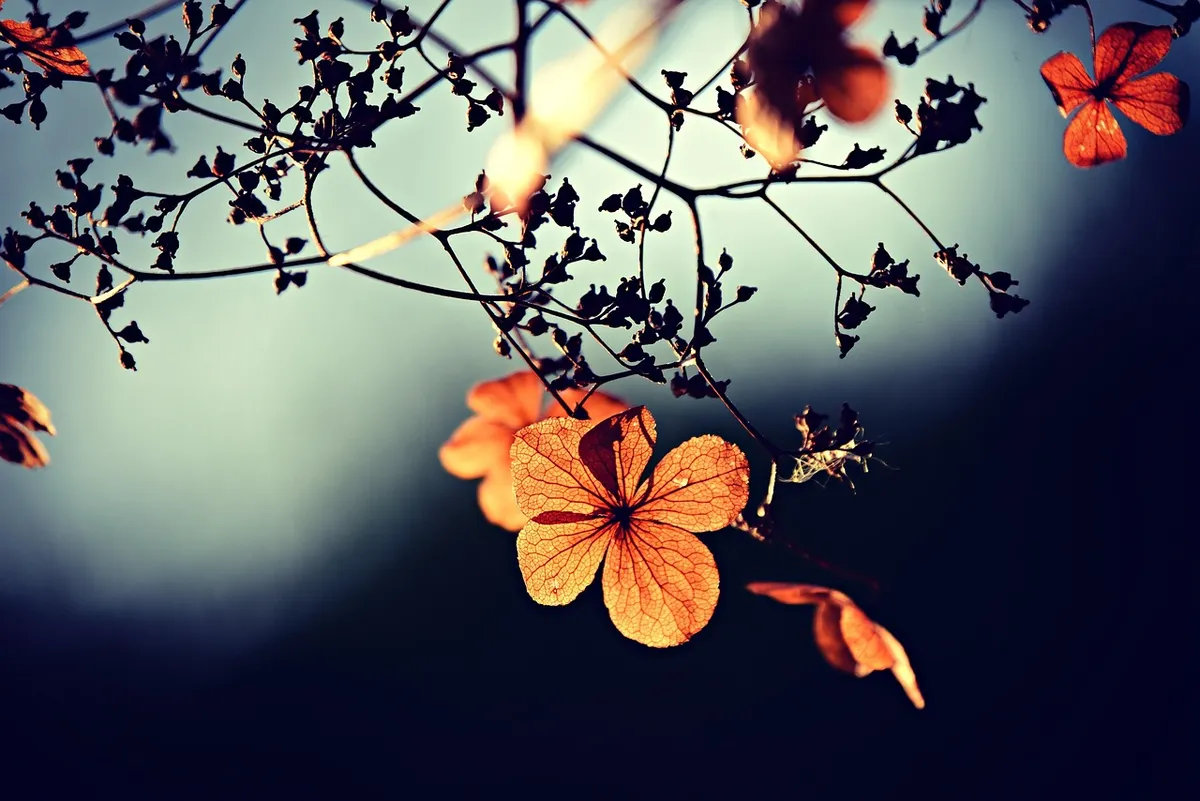
As the air cools, the rate of transpiration decreases, meaning plants generally require less frequent watering than they did in July.
To maintain healthy growth, you should focus on the following steps:
- Reduce irrigation frequency to prevent root rot in damp, cool soil. 2. Apply a light layer of organic mulch to insulate the root zone against sudden temperature drops. 3. Remove spent blooms to direct the plant's remaining energy toward root development rather than seed production.
I often check the moisture level of the soil by sticking my finger an inch deep before deciding to water. This prevents oversaturation during the autumn months. Always perform a final check of your drainage holes to ensure water does not pool around the base of the plant.
- Assess the soil moisture levels.
- Apply organic mulch to regulate temperature.
- Prune dead foliage to prevent disease.
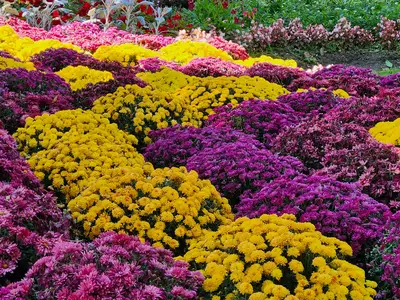
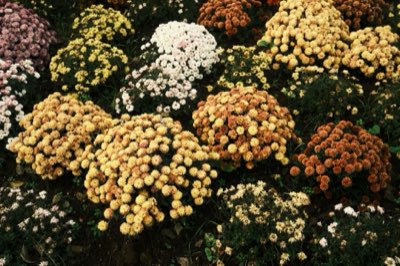
What are the traits of fall blooms? The wind rustles through a field of dried stalks, yet the flowers remain vibrant and steady. Fall bloom traits include a heightened concentration of anthocyanins, which often results in the deep reds, purples, and oranges typical of the season.
These pigments do more than provide color; they can offer a level of protection against UV radiation during the clear autumn days.
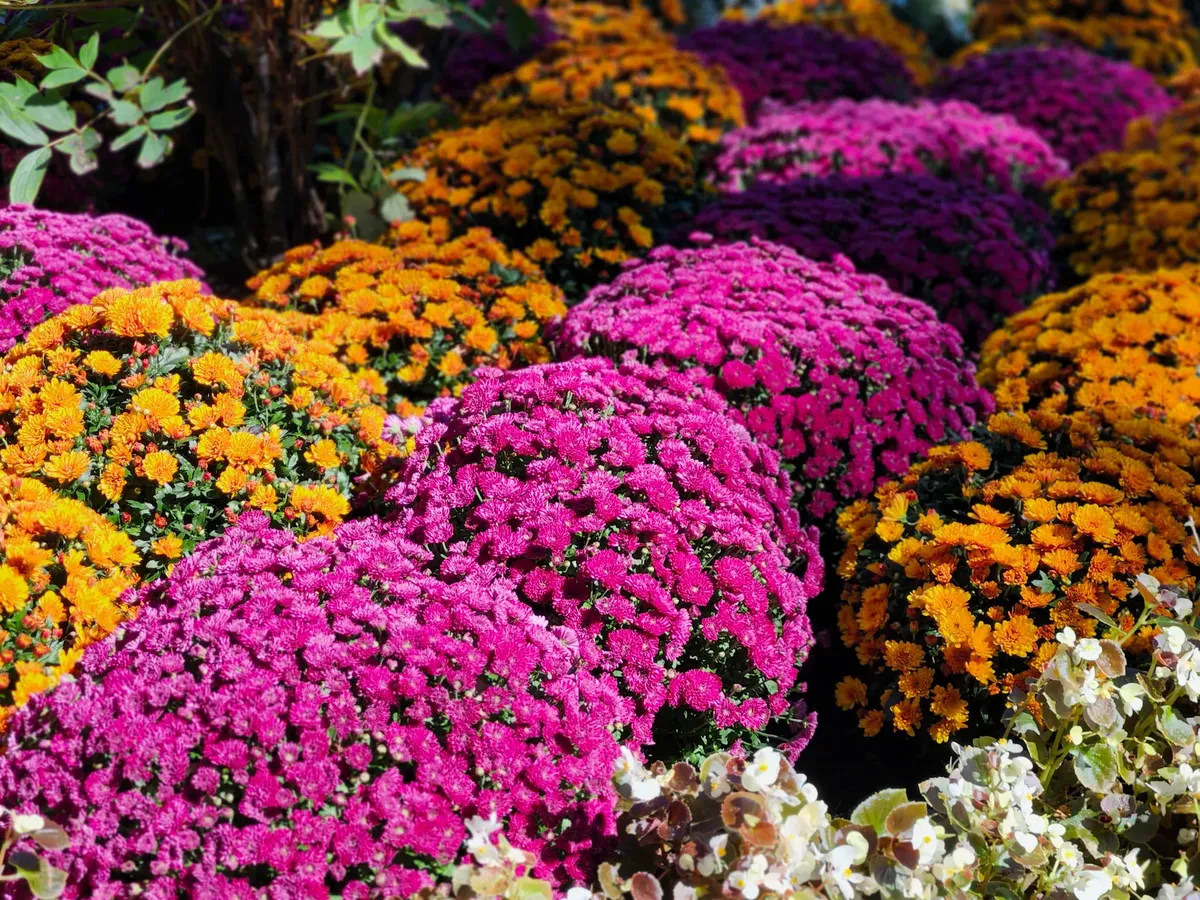
Late season plant life is often more resilient to wind than the tender shoots of spring. Because the growth rate slows down, the cellular structure of the stems and leaves tends to be more compact and sturdy. This structural integrity is a key component of autumn flower growth.
| Feature | Spring Bloom Focus | Autumn Bloom Focus |
|---|---|---|
| Primary Energy | Rapid leaf/stem growth | Flowering and seed prep |
| Water Need | High (due to heat) | Moderate to Low |
How to approach flower cultivation?
A trowel meets the earth as a gardener prepares a new planting site for late-season varieties. Successful flower cultivation in the fall depends on timing and soil preparation. Because the ground is still warm from summer, root establishment can occur quickly before the frost sets in.
When growing seasonal blossoms well, you must select varieties that are specifically rated for your local hardiness zone. It is important to monitor the soil pH, as some autumn species prefer slightly acidic conditions to maintain their intense pigmentation.
Ensuring the soil is well-draining is the most critical factor for preventing fungal issues during the damp autumn months.
The process of observing flower ecology can teach you which plants are naturally suited for your specific microclimate. By watching how certain species react to the first cool nights, you can refine your approach to flower re-planting in future years.
Managing the flower ecosystem
A honeybee lands on a sturdy petal, seeking the last nectar of the year. The flower ecosystem in autumn is a delicate balance of resource availability and survival.
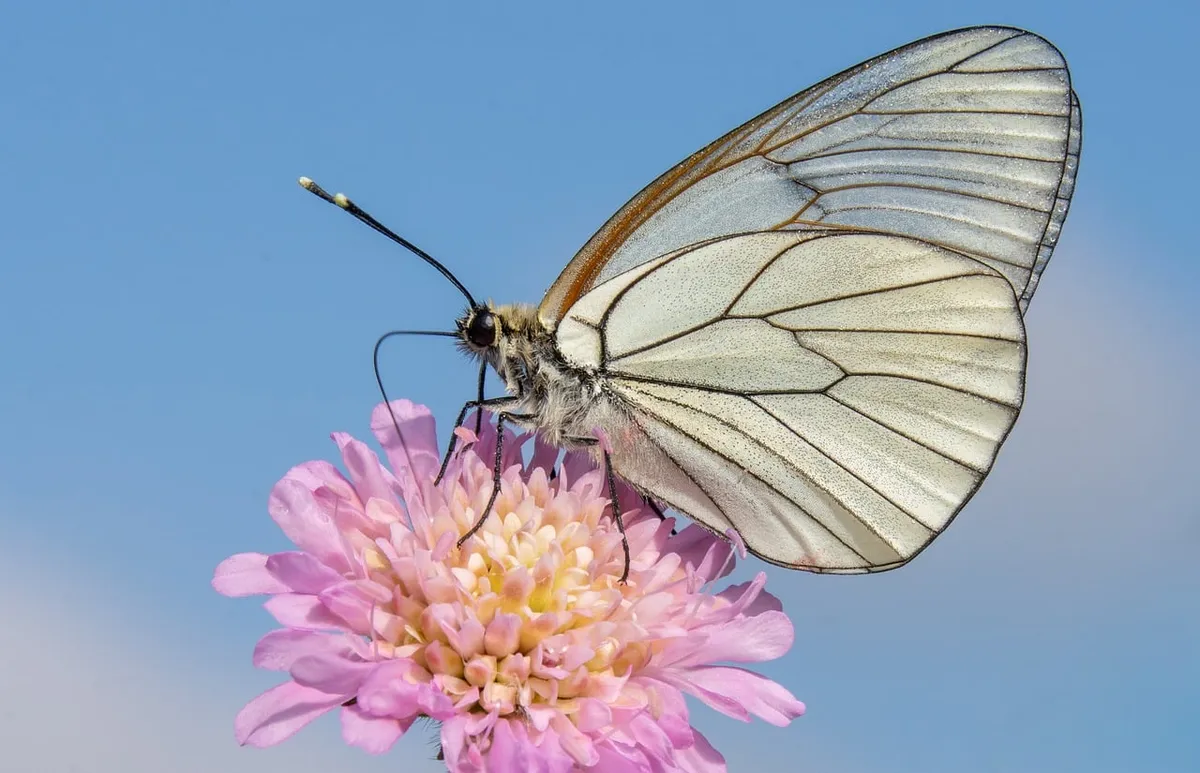
As plants prepare for dormancy, they change the chemical composition of their nectar and pollen to support the remaining insect populations.
Maintaining this balance involves avoiding heavy chemical applications that might harm late-season pollinators. Instead, focus on organic methods to manage pests. If you notice aphids or mites, consider manual removal or neem oil, which is less disruptive to the surrounding environment.
Protecting the integrity of the flower ecosystem ensures that your garden remains a functional habitat. This includes leaving some dried seed heads in place, which provide food for birds and shelter for beneficial insects throughout the winter.
This part also covers How to manage fall flowers.
How to manage fall flowers
Related

Comments 0