Sunflower growing guide: 5 tips for full height blooms
"The golden heads turn toward the light, demanding the heat of the sun and the richness of the earth to reach their full height."
This guide is for gardeners looking to cultivate vibrant blooms, focusing on seasonal timing and soil preparation while avoiding overly shaded areas.
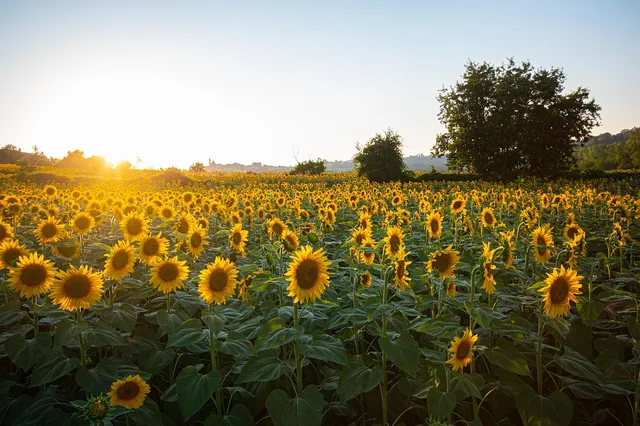
* Prioritize full sun exposure for maximum energy. * Ensure soil drainage to prevent root rot. * Time planting to align with local warm seasons.
What are the best conditions for my sunflowers?
A gardener kneels in the dirt, feeling the warmth of the afternoon sun on their neck while pressing a seed into the dark earth. Finding the right spot is the first step in any sunflower growing guide.
Sunflowers require significant light to develop sturdy stalks and large flower heads. Without enough radiation, the plants may become spindly or fail to produce seeds. You should look for a site that feels warm and bright throughout the morning and afternoon.
How to grow sunflowers in a garden? Sunflower growing guide
A hand reaches for a trowel, digging a small hole in a sunny patch of the backyard where the grass meets the garden bed. Following a sunflower growing guide involves careful site selection and soil preparation.
You must ensure the ground is not waterlogged, as heavy moisture can damage the developing roots.
To implement this successfully, follow these three steps: 1. Select a site that receives at least six to eight hours of direct sunlight daily. 2. Mix organic matter into your soil to improve texture and nutrient availability. 3.
Space your seeds far enough apart to allow for wide-spreading leaves and stalks.
After planting, perform a final check by verifying that the soil remains moist but not saturated. I found that checking the moisture levels every morning helped me maintain the right balance during the early growth stages.
What kind of soil do my sunflowers need?
A watering can tilts over a patch of brown earth, sending a gentle stream of water toward the freshly planted rows. Understanding sunflower soil needs is essential for preventing stunted growth.
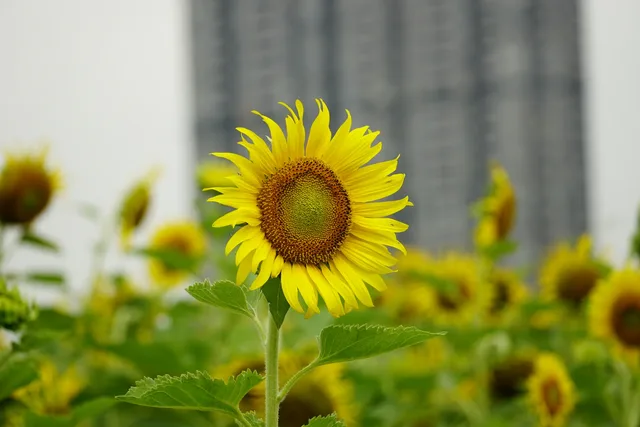
The soil should be loose enough for roots to penetrate deeply while holding enough nutrients to support a massive bloom.
| Soil Component | Desired Condition |
|---|---|
| Drainage | High/Well-draining |
| Nutrients | Rich in organic matter |
Providing a nutrient-dense environment helps the plant build the structure required to hold heavy heads. If the soil is too compact, the roots will struggle to expand, limiting the plant's potential.
When is the optimal sun for sunflowers?
The sun climbs higher in the sky, casting long shadows across a field of bright yellow petals during the height of summer. Finding the optimal sun for sunflowers means identifying the period when the light is most intense.
Most varieties thrive when the heat of the season coincides with their peak growth phase.
In certain locations, like the 5 acre sunflower field in Dix Park, the blooms are most prominent in July. This timing shows how much the season dictates the visual impact of the crop. You should aim to have your plants established well before this peak summer heat arrives.
Can sunflowers grow in different environments?
A gardener walks through a shaded corner of the yard, noting how the light barely touches the damp ground under a large tree. While sunflowers are hardy, they are not suited for every environment, particularly those with heavy shade or constant dampness.
While some crops are highly specialized, sunflowers are versatile if the primary needs of light and warmth are met. However, they will not perform well in areas with low light levels or poor air circulation.
This environmental requirement is a key factor in determining where your garden should be located.
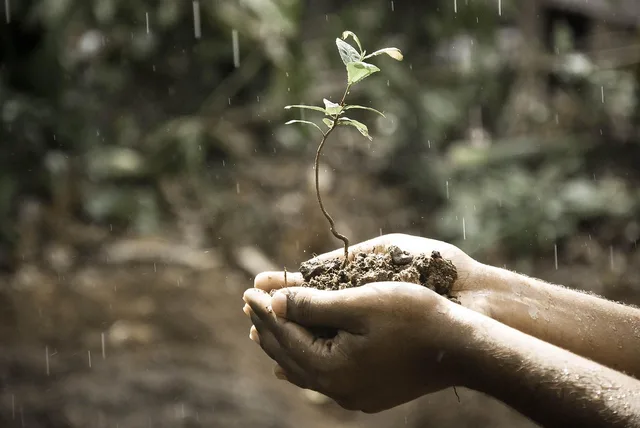
- To achieve the best sunflower conditions, you must provide a location with intense sunlight, well-draining soil, and warm temperatures.
- One limitation is that successful blooming is highly dependent on specific seasonal windows, such as the July bloom seen in established fields.
- You need an open area where the sun remains unobstructed for most of the day to fuel the plant's rapid growth.
This part also covers Sunflower temperature guide.
This part also covers Tips for blooming sunflowers.
This part also covers Perfect garden setup for seeds.
Sunflower temperature guide
Related
- Chrysanthemum growing guide: How to use 140 cultivars best
- Tulip soil needs and care: 15 cm Guide to best growing tips
What happens if the soil drainage is insufficient?
- If the soil lacks proper drainage, the roots of the golden heads face a significant risk of rot. 2. Excessive moisture in the ground prevents the roots from breathing effectively. 3. This condition limits the plant's ability to absorb necessary nutrients, even if the soil is rich. 4. Stunted growth becomes a likely outcome when the soil remains waterlogged.
How does light intensity affect the plant structure?
- Intense sunlight provides the energy required for the golden heads to reach their full height. 2. Insufficient radiation causes the stalks to develop a spindly appearance instead of sturdy growth. 3. The plant relies on the heat and light to produce the seeds successfully. 4. A site that feels bright throughout the day supports the plant's vigorous development.
When selecting a location, consider the comparison between a fully exposed area and a shaded corner. The difference in plant vigor between these two spots illustrates the importance of light exposure. The golden heads demand the sun's energy to maximize their potential.
The gardener must ensure that the chosen area allows for the necessary unobstructed exposure, comparing it against areas where the light is barely reaching the ground. This comparison highlights the critical nature of solar input for the sunflower's life cycle.
If the soil is too compact, the roots cannot expand, which is a caution related to the soil preparation process. This physical restriction directly impacts the plant's capacity to support the large golden heads.
The timing of planting must align with the local warm seasons, which is a condition tied to the seasonal window for blooming. This scheduling must account for the peak heat that drives the plant's maturation process.





Comments 0