Flower language history: Guide to symbolic meanings
"A single bloom can carry a lifetime of sentiment, yet the meanings we assign to them are often just shadows of history."
Understanding flower language history requires looking past simple definitions to see how cultural shifts shaped these symbolic meanings.
This guide explores the origins of floral symbolism, the distinction between biological reality and human meaning, and how historical eras defined the way we communicate through petals.
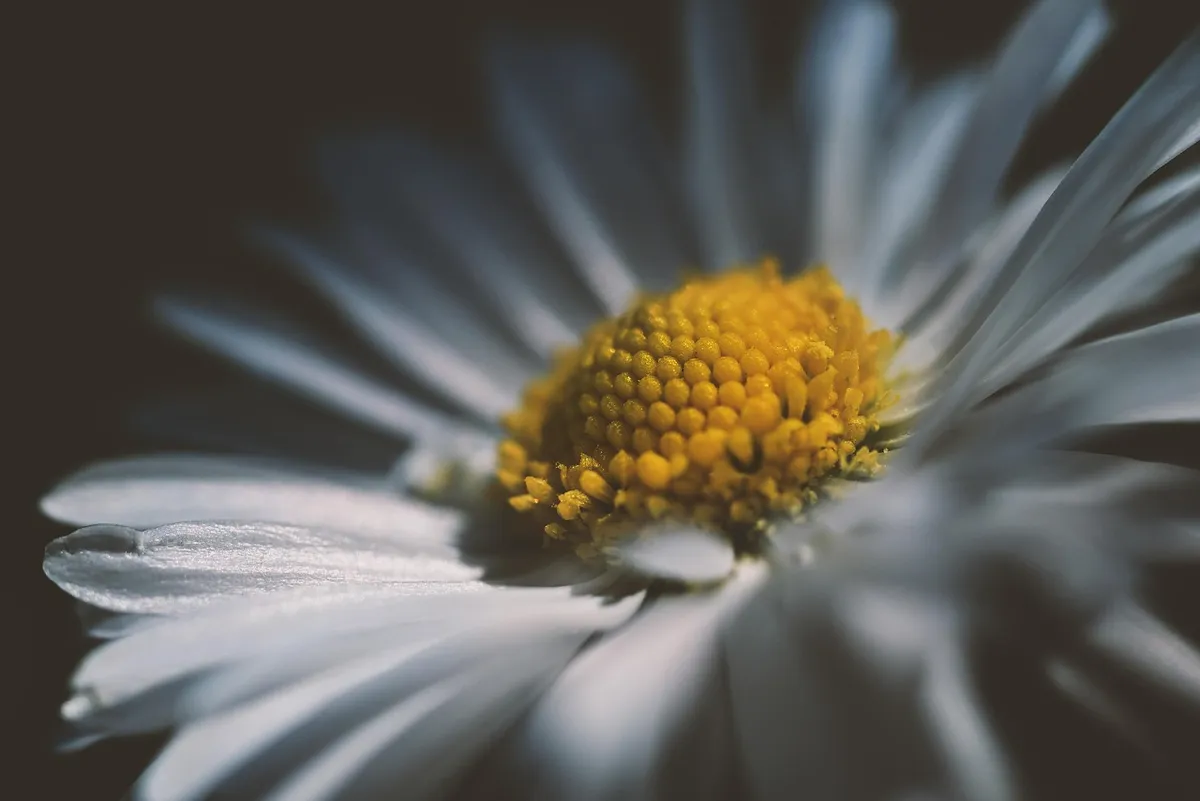
Key takeaways: * The origins of floral symbolism are rooted in diverse cultural traditions and historical periods. * Symbolic meanings often reflect the social norms of the era in which they were popularized. * Biological diversity in flowers ranges from microscopic species to massive blooms.
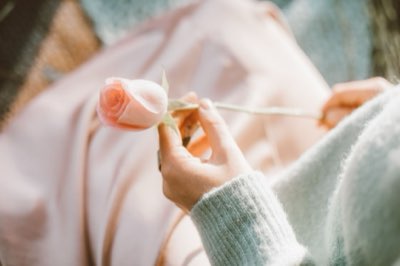
Where did the language of flowers actually begin? A hand brushes against a velvet rose petal, wondering if the meaning remains the same as it was centuries ago. Exploring the origins of flower language history involves tracing how different societies developed unique systems to communicate through botany.
According to the book *Flowers, the Angels' Alphabet* by Susan Loy (2001), the history of the language of flowers provides insight into how these symbolic systems were established. These cultural expressions often served as a subtle way to convey messages that were difficult to speak aloud.
The development of these meanings was not a single event but a gradual accumulation of cultural values. One might look at how different regions established their own unique floral emblems to represent specific human emotions.
However, these historical interpretations may not apply to modern botanical classifications.
How did the Victorian era influence flower meaning origin? Flower language history
A woman carefully selects a sprig of lavender, mindful of the social etiquette of her time. Investigating the flower meaning origin reveals how specific historical periods, such as the Victorian era, codified much of what we now recognize as floral symbolism.
The Victorian Language of Flowers, as discussed in the *Occasional Papers of the RHS Lindley Library* (2013), illustrates how strict social codes influenced the way plants were used to send coded messages.
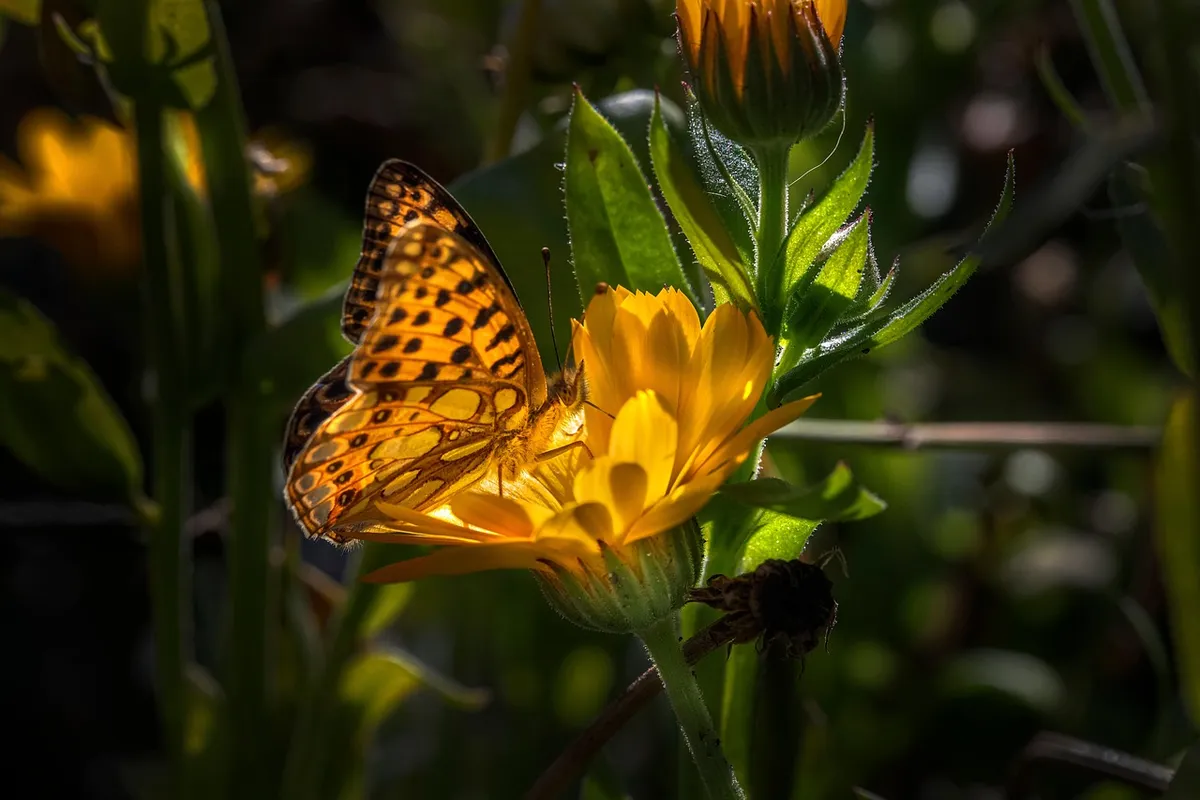
During this time, the nuances of a bouquet could convey complex social standing or romantic intentions.
This era turned botany into a sophisticated social tool. By understanding these historical constraints, we can better grasp why certain flowers became synonymous with specific virtues or warnings.
- Identify the specific bloom used in communication.
- Assign the socially accepted meaning of the era.
- Deliver the message through the arrangement.
What is the real meaning behind flower symbols? A traveler examines a wildflower, questioning if its beauty is purely biological or carries a hidden message. Seeking the flower symbol truth requires distinguishing between the natural functions of plants and the artificial meanings humans attach to them.
While we assign emotional weight to a blossom, the biological reality of a plant is often centered on reproduction and survival. Approximately 90% of all living land plant species are angiosperms, focusing their biological energy on flowering for reproduction.
The gap between biological purpose and human symbolism is vast. While a plant evolves to attract pollinators, humans have layered these natural structures with complex, often contradictory, cultural narratives.
I find that the third point clarifies the most ambiguity.
How does the flower word background relate to biological diversity?
A gardener compares a tiny sprout to a massive bloom, noticing the vast difference in their physical presence. Examining the flower word background helps us understand how the physical characteristics of plants might have influenced their symbolic interpretations.
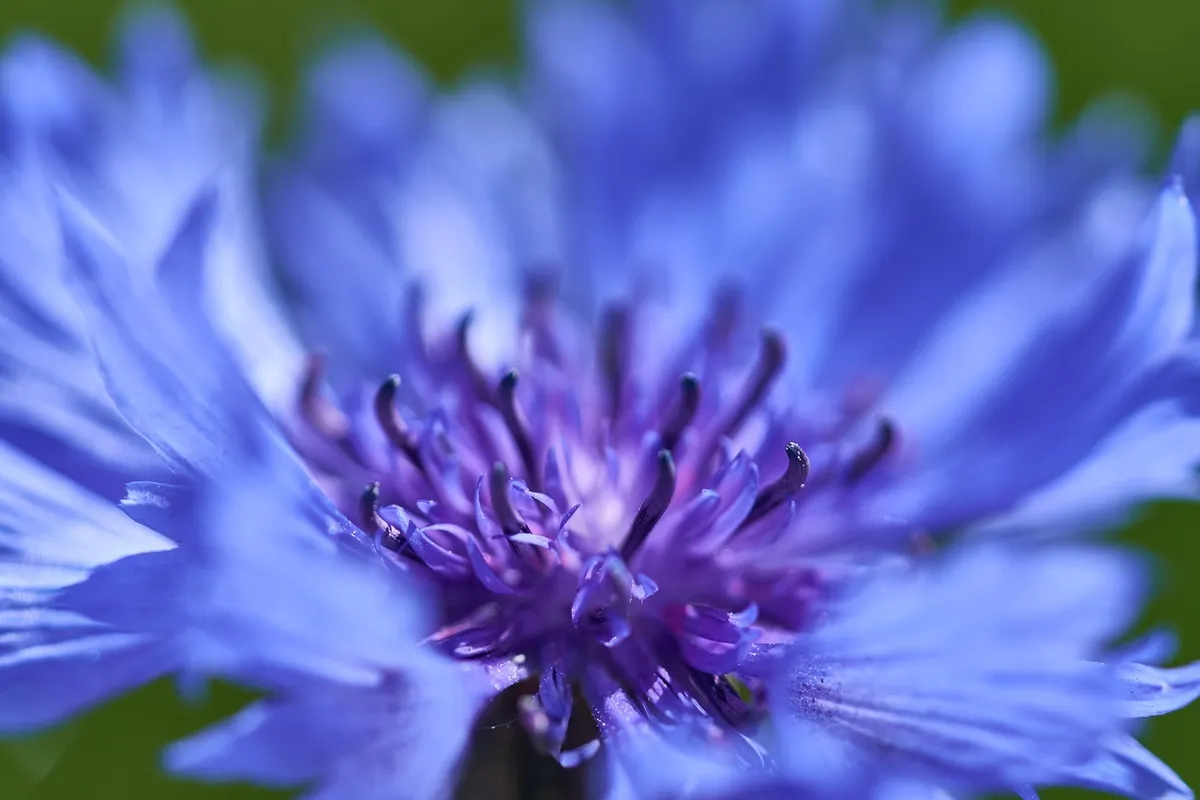
The physical diversity of flowers is immense. They range in size from 0s.1 mm (1⁄250 inch) to 1 metre (3.3 ft), ranging from highly reduced and understated to dominating the structure of the plant. This physical variety provided a wide palette for symbolic expression.
Large, striking flowers often carry meanings of grandeur, while tiny blossoms might represent modesty. This relationship between physical scale and perceived meaning is a cornerstone of how floral language developed across different cultures.
This connection is limited when focusing solely on aesthetic value rather than ecological function.
What can we learn from flower meaning shift?
A collector looks at an old botanical illustration, noticing how the meaning of a lily has changed over time. Observing a flower meaning shift allows us to see how language evolves as societies change their values and perspectives.
As cultural norms move away from the rigid structures of the past, the way we interpret flowers also transforms. A bloom that once signified one thing may now represent something entirely different in a modern context.
This evolution ensures that the language of flowers remains a living, breathing aspect of human culture. By studying these shifts, we see the reflection of human progress and changing social landscapes within the petals.
I believe the second step provides the most insight into these changes.
How do we recognize flower symbolism deep dive?
A researcher pores over ancient texts, looking for the roots of a specific floral metaphor. Engaging in a flower symbolism deep dive involves looking at the intersection of art, literature, and botany.
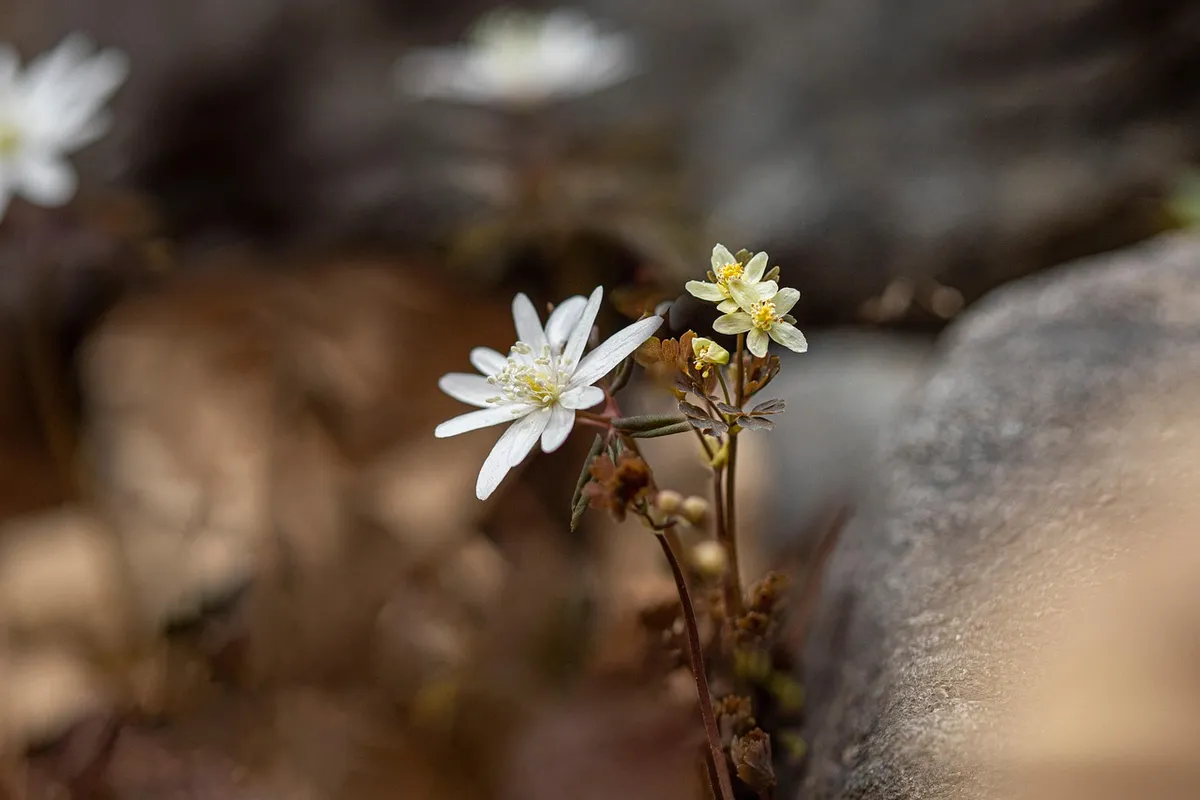
Even literary giants engaged with these themes; for example, Shakespeare used the word "flower" more than 100 times in his plays and sonnets. This shows how deeply the concept of the flower was embedded in the artistic expression of the time.
The study of these symbols is not just about plants, but about the history of human emotion. It is a way to trace how we have attempted to capture the fleeting beauty of life through enduring natural forms.
Interpretations may be limited when cultural contexts vary significantly.
The subject here is Flower language history.
The same subject is also called Flower meaning myth.
This part also covers Flower language evolution.
Related
What cautions accompany the study of floral communication?
- The sincerity of the message depends heavily on the shared cultural background between the sender and receiver. 2. A modern interpretation of a bloom might clash entirely with the intended Victorian sentiment, causing misunderstanding. 3. The biological reality of a plant remains constant, but the human overlay of meaning is fluid and subject to temporal shifts.
This contrast underscores the fragility of symbolic transmission across time. A single bloom, once a clear message, can become ambiguous without shared context.
When is a bloom most powerful?
The power of a bloom lies in its capacity to bridge the gap between the tangible and the abstract. It allows the ephemeral beauty of a plant to carry the weight of enduring human experience. The contrast between the plant's fixed existence and the message's fluidity is striking.
Therefore, the most potent moments in floral communication occur when the biological form perfectly mirrors the desired cultural conveyance.

Comments 0