How did literature influence flower language?
"Flowers have long been a silent medium for messages that words could not quite capture, acting as a delicate bridge between human emotion and the natural world."
This guide explores how meanings evolved from Victorian etiquette to modern symbolism, highlighting how different regions interpret the same bloom.
Why did flower meanings change over time?
At midnight in the silent library, my fingers tremble as they trace changing definitions within an old volume of literature.
For centuries, people have assigned specific emotions to plants to communicate without speaking.
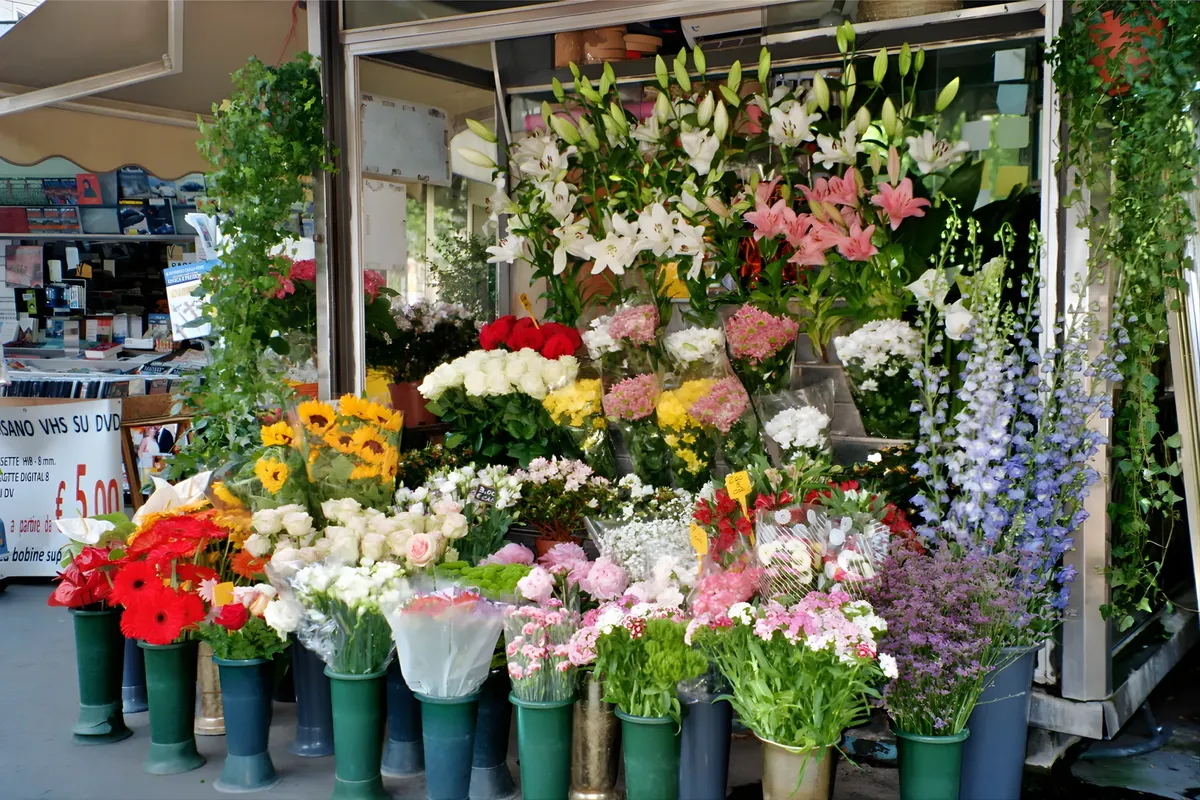
This practice, often called the language of flowers, turned a simple bouquet into a complex message.
According to "History of the Language of Flowers" in the book *Flowers, the Angels' Alphabet* by Susan Loy (2001), these symbolic meanings were often used to convey sentiments under a veil of privacy.
This historical context shows that the language was never static but shifted as social norms changed.
The Victorian era brought a specific intensity to these meanings, where every bloom served a social purpose. This period turned gardening and gifting into a delicate social dance.
Understanding the shifts in these definitions helps us see why a single flower might mean something entirely different today than it did a century ago.
How did literature influence flower language?
A writer sits at a desk, dipping a quill into ink while contemplating how to describe a fleeting feeling through a botanical metaphor. Literature has played a massive role in cementing certain floral associations in the collective human consciousness.
Writers often used flowers to symbolize love, death, or betrayal, influencing how readers perceived those plants.
The literary impact is evident in the works of famous authors who utilized nature to deepen their narratives. For instance, Shakespeare used the word "flower" more than 100 times in his plays and sonnets. This frequent use helped weave floral imagery into the fabric of English-language storytelling.
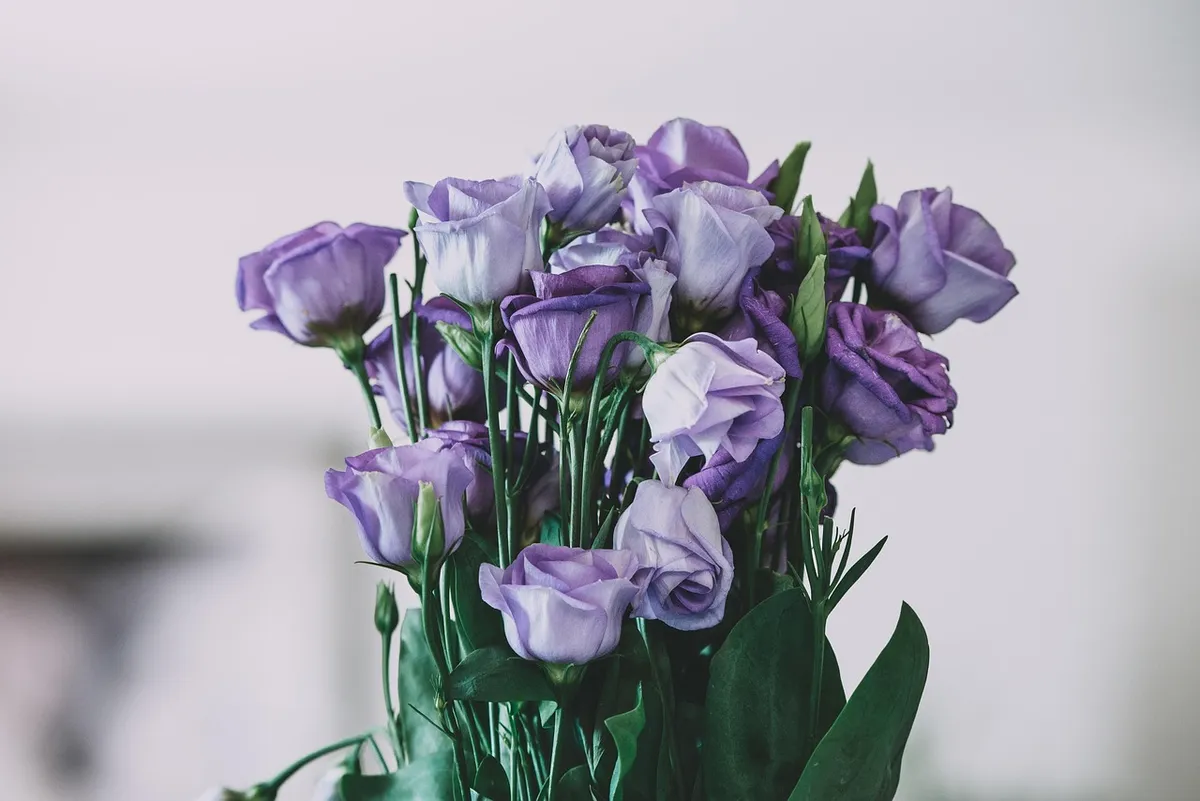
These literary references helped standardize certain perceptions of flowers across different generations. When a famous character uses a rose to represent a specific emotion, that association becomes part of the cultural lexicon.
This creates a lasting impression that transcends the actual biological reality of the plant.
How do different cultures interpret the same bloom?
While standing in the bustling market at noon, I feel the warmth of the sun as I ponder how literature might shape a local's view of a single petal.
A traveler walks through a vibrant marketplace in Japan, noticing how every blossom seems to tell a unique story to the locals. Symbolism is not universal; what signifies joy in one part of the world might signify mourning in another.
These cultural distinctions are vital to understanding the true nature of floral emblems.
In Japan, the concept of Hanakotoba represents a specific floral emblem and language. This traditional system provides a way to express deep emotions through the selection of specific plants.
Such localized meanings show that the language of flowers is deeply rooted in regional history and philosophy.
The Victorian Language of Flowers, documented in the *Occasional Papers of the RHS Lindley Library* (2013), represents another distinct cultural peak of symbolism. This era's specific etiquette created a different set of rules compared to Eastern traditions.

Comparing these different systems reveals how geography and tradition shape our botanical vocabulary.
What are the steps to understanding flower symbolism?
A collector organizes a herbarium, carefully labeling each specimen to reflect its historical significance. To navigate the complex world of flower meanings, one must approach the subject with a sense of historical curiosity.
It is not about finding a single truth but about understanding the layers of meaning.
- Research the historical era of the source to understand the social context of the meaning. 2. Identify the cultural origin of the symbolism to avoid misinterpreting regional nuances. 3. Cross-reference the specific plant with various historical texts to see how its definition evolved.
I once spent an afternoon comparing a Victorian botanical guide with a modern Japanese guide to see how much the meanings had diverged. This process requires looking at the intended recipient and the social setting of the era.
A limitation of this study is that meanings can vary significantly based on the specific era or region being studied, meaning no single definition applies to every situation.
Can we compare different floral traditions?
A researcher lays out two different sets of colored cards, each representing a different culture's floral language, to find common ground. Comparing traditions allows us to see where human emotions intersect and where they diverge through nature.
| Tradition | Focus |
|---|---|
| Victorian Era | Social Etiquette and Hidden Messages |
| Hanakotoba | Japanese Cultural Symbolism |
While the table shows different focuses, both traditions use flowers to communicate what is left unsaid. One relies on social maneuvering, while the other is deeply tied to cultural identity.
- Understanding the nuances of flower language requires looking at both historical context and cultural shifts.
- Key takeaways include the impact of historical eras on botanical meanings, the role of literature in shaping floral perception, and the realization that meanings are often culturally specific rather than universal.
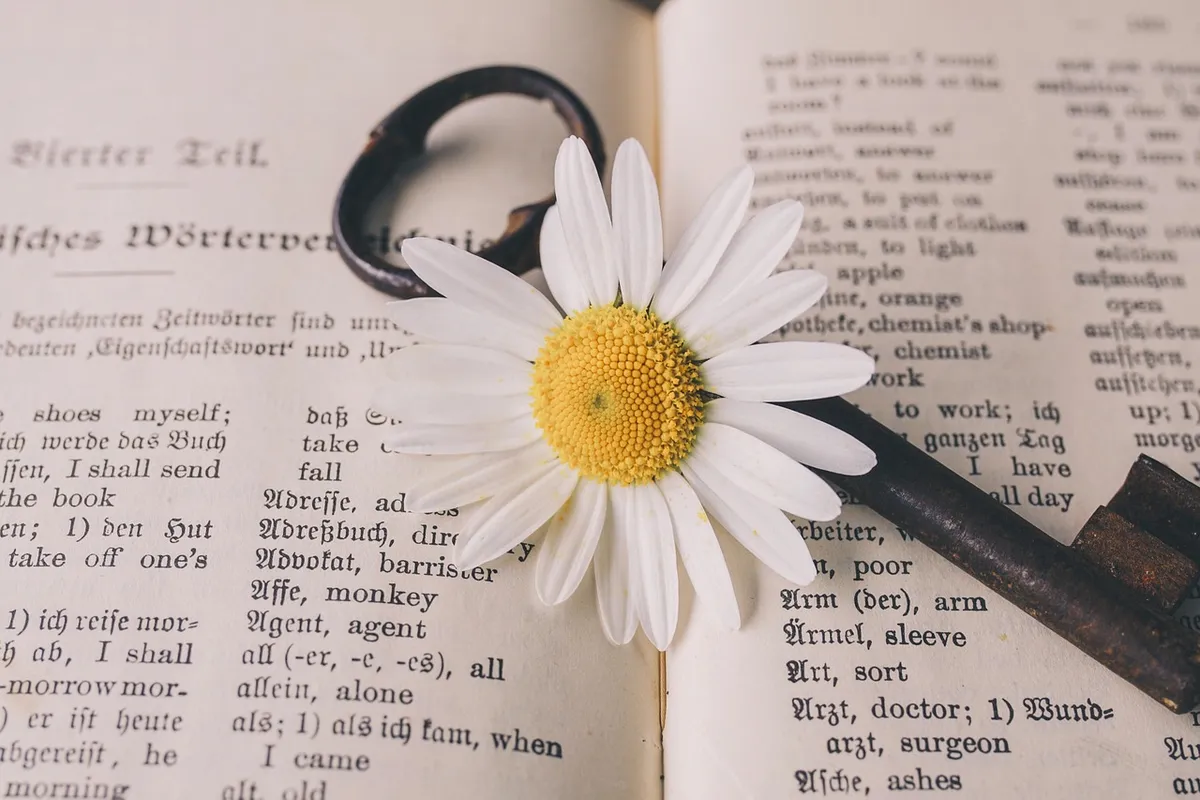
- A hand brushes against a dried petal in an old book, prompting a search for the origins of floral symbolism.
Related
- How did the flower show origins shape modern festivals?
- Flower gift guide by occasion: Find your perfect match
Why is the study of flowers important?
- The study of flowers illuminates how human emotion interacts with the natural world through a silent medium. 2. It demonstrates how cultural contexts mold the interpretation of botanical signs across different times. 3. This exploration reveals that the meanings assigned to these flowers are fluid and context-dependent.
The enduring power of flowers lies in their ability to bridge unspoken sentiments with the tangible reality of plant life. Understanding this bridge requires acknowledging the specific lens—be it Victorian or Japanese—through which the plants are viewed.
This acknowledgment prevents the mistaken belief that a single meaning holds across all contexts.
What cautions should a student of floral symbolism keep in mind?
- The specific era dictates the social rules governing the exchange of floral messages. 2. The geographical origin influences the established symbolic vocabulary used for a particular bloom. 3. The literary context can solidify a perception of a flower that outlives its original intent.
A caution arises when assuming a modern interpretation applies to a historical exchange. The social codes of the Victorian period, for example, differed substantially from the philosophical grounding of Hanakotoba.
Therefore, the intention behind the arrangement must always be considered alongside the arrangement itself. This careful consideration prevents misattributing modern universality to ancient practices.

Comments 0